
The Demo Looked Slick. Then Week Three Happened.
Most people pick a no-code or AI builder tool because the demo video looked slick, then hit a wall a few weeks in and have to rebuild from scratch in a different tool. I've watched this happen to a dozen builders I know personally, and I did it myself on my second product, back before I understood what I was buying. You watch a 90-second walkthrough, the founder clicks a few buttons, a pretty dashboard appears, and you think: that's it, that's my tool. You sign up, you start building, and for the first three weeks everything matches the demo because you're still doing demo-shaped things — a landing page, a form, a list view.
Then you hit the part of your product that makes it your product. Maybe it's a customer who needs to belong to more than one account, a booking that needs to check against three other bookings before it confirms, or a payment flow that has to split money between you and a third party. That's not a demo feature. That's the actual business logic your SaaS exists to run. And that's exactly where a lot of no-code and AI builder tools quietly stop being general-purpose and start being a template with a paint job.
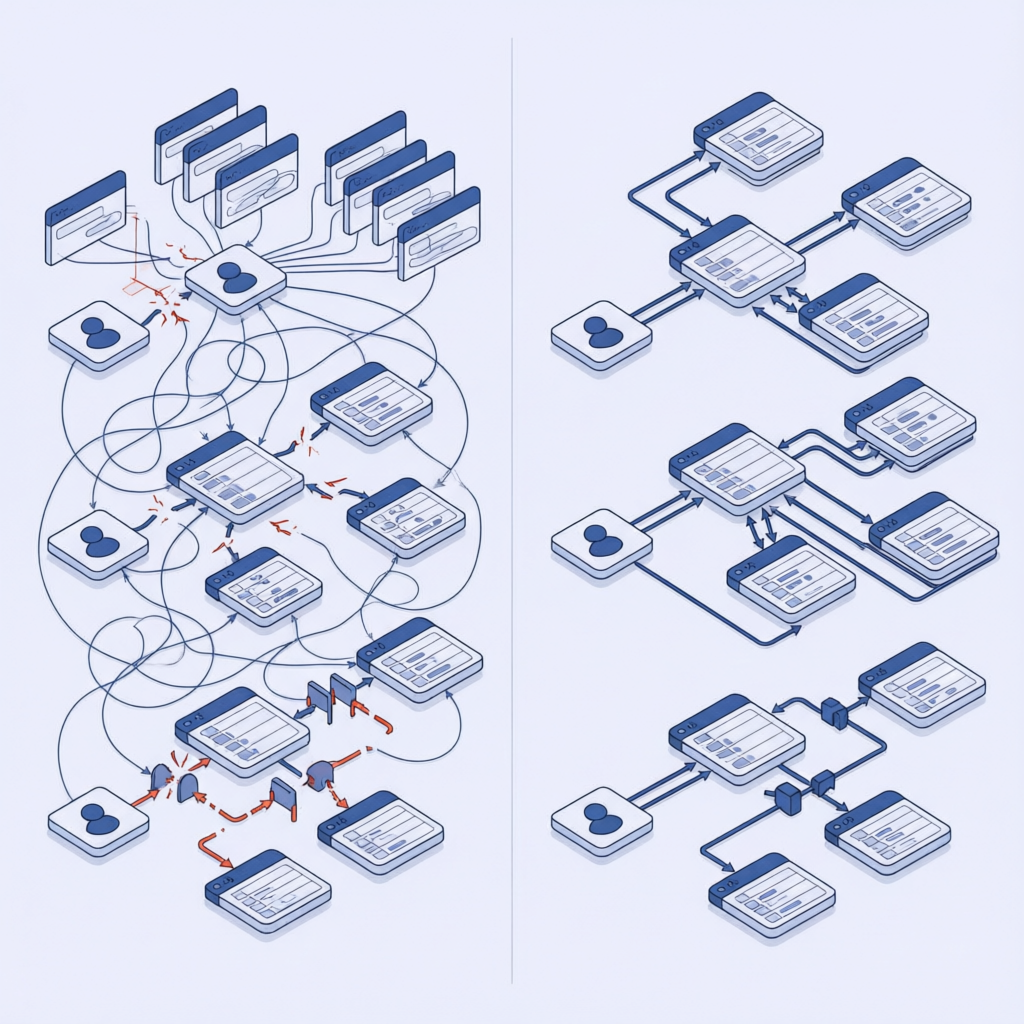
The wall doesn't announce itself either. You don't get an error message that says "this tool cannot do what you're trying to do." You get a support article that dances around it, a forum thread from 2023 where someone asked the same question and never got an answer, or a feature that technically exists but only on the tier three price points above where you are. By the time you've confirmed it's a real wall and not a skill issue on your end, you've usually sunk two or three weeks into a build that can't finish. That's the moment people quietly start a new tab, search for a different tool, and begin again from zero.
I built four products over 13 years and I've eaten this cost more than once. It's not just the lost weekend. It's the momentum — you were finally building, finally shipping, and now you're evaluating tools again instead of talking to customers. That gap between "I'm building" and "I'm evaluating" is where most side projects quietly die, not because the idea was bad, but because the tool picked for you turned out to be the wrong bet.
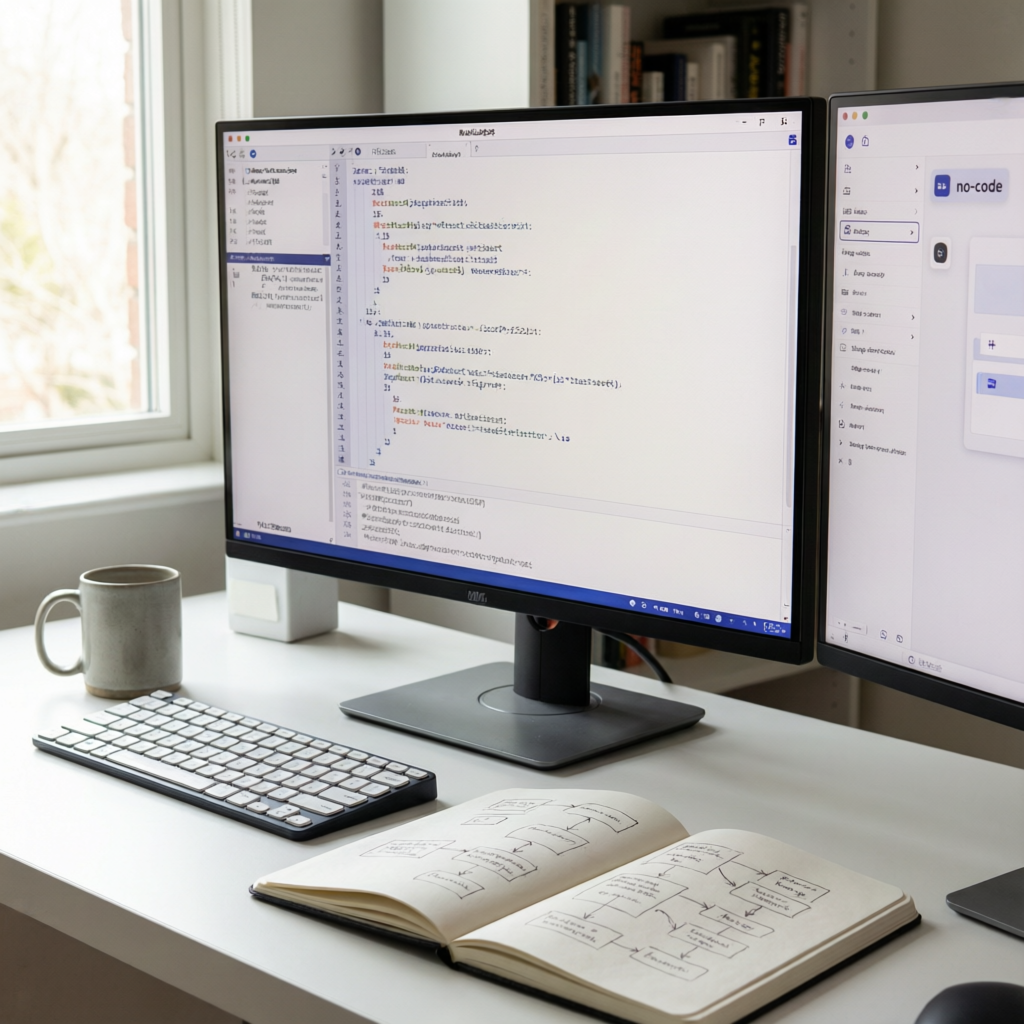
Two Builders, Two Walls: What Breaks and When
Put two popular builder categories side by side and the walls show up in different places, but they show up. Take a drag-and-drop website builder — the kind that's genuinely great for a single page with a contact form. Try to model something relational in it, like a member who has multiple orders, and each order has multiple line items tied to different pricing rules. The builder wasn't built for that. It was built for pages, not data relationships, so you end up faking a database with a spreadsheet plugin that chokes past a few hundred rows. That's not a bug you can code around inside the tool — it's the tool's actual architecture telling you no.
Now take an AI app builder, the kind that generates a working prototype from a text prompt in under a minute. The demo shows you a to-do app or a simple CRM, and it looks like magic because for that use case, it basically is. But try to wire in a real payment flow — collecting money, taking a platform fee, and paying out a second party — and you discover that feature sits behind a paid tier you didn't know existed until you went looking for it. The demo never showed you the pricing page. It showed you the happy path, and the happy path never touches money.
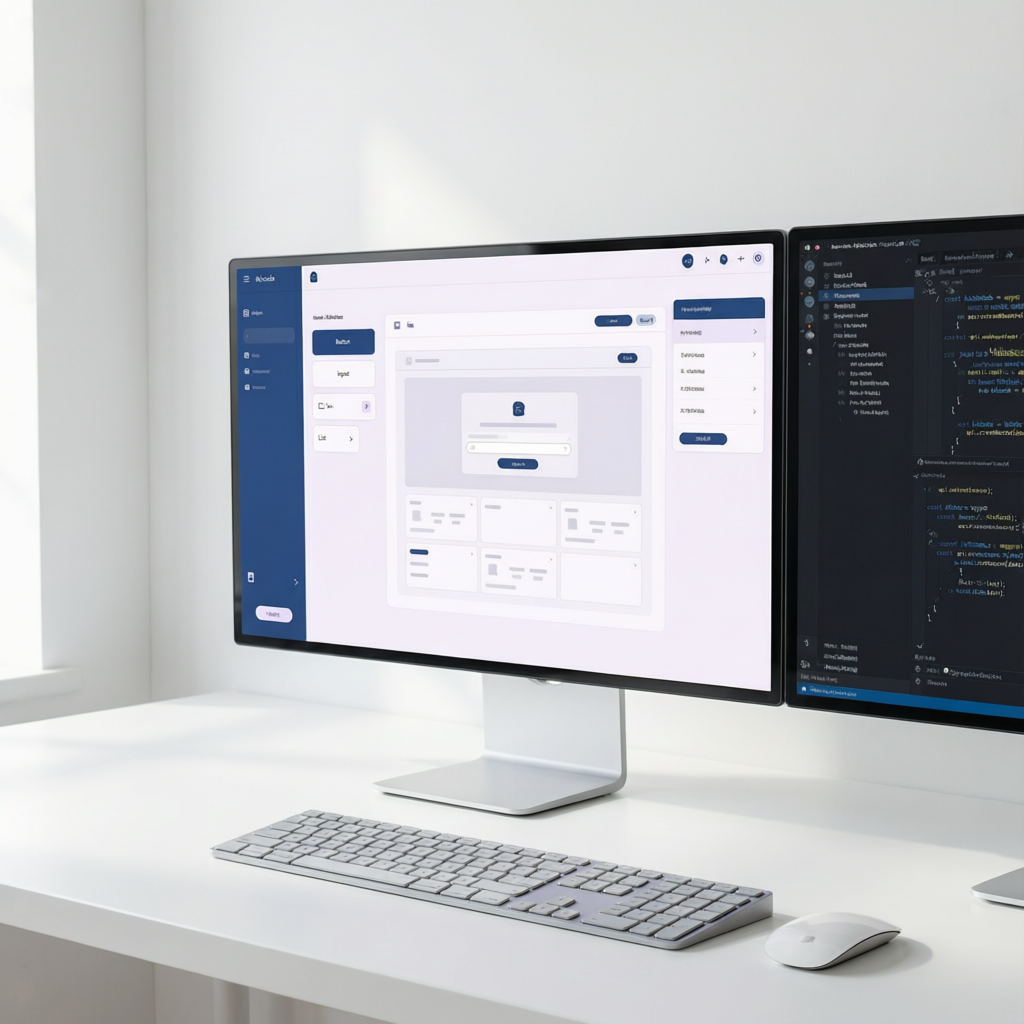
Both of these are the same mistake wearing different clothes. The tool wasn't lying to you in the demo. It was showing you the 20% of the product that's impressive and skipping the 80% that's load-bearing. A relational database and a working payment flow aren't edge cases for a SaaS business — they're closer to the whole point. If your product doesn't track who owns what and doesn't move money, you don't really have a business yet, you have a nice-looking page.
The part that stings is that none of this is hidden maliciously. It's usually just how demos get made — someone optimized a two-minute video to convert visitors into signups, not to warn you about the ceiling three weeks out. That's a reasonable thing for a marketing team to do. It's an unreasonable thing for you to build a real business on top of without checking first.

Test the Free Tier Like It's the Only Tier You'll Ever Get
Here's the fix, and it's not clever: test the free tier before you build anything real on it. Not the demo. Not the sales call. The actual free tier, with your actual hardest feature, before you write a single page of real content or import a single real customer. If the tool can't do the thing for free, it won't magically do it once you've paid — paying unlocks limits, it doesn't unlock capability that was never built. A locked door with a bigger price tag on it is still a locked door.
Concretely, that means before you commit to a tool, you go build the ugliest, hardest version of your core feature inside the free tier first — not the landing page, not the onboarding flow, the one piece of business logic that actually makes your product yours. If you're building a marketplace, that's a payment split. If you're building a booking tool, that's the double-booking check. If you're building anything with teams, that's a user belonging to more than one account. You don't need it to look good. You need it to prove the tool can hold the shape of your actual problem before you hand it three weeks of real work.
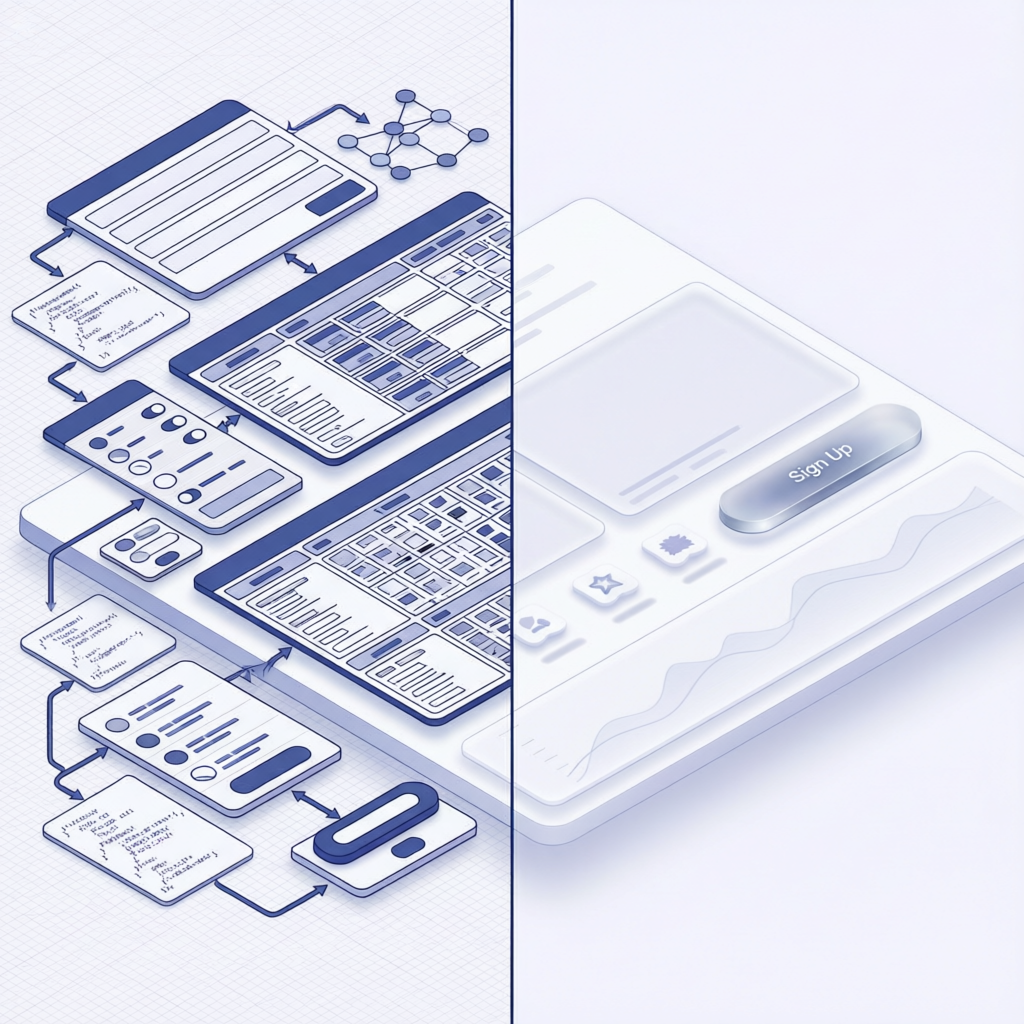
This feels backwards to a lot of people, because the instinct when you're excited about a new idea is to start with the pretty stuff — the logo, the landing page, the color scheme. That's the fun part, and it's also the part that was never going to break. Save it for last. Do the ugly, load-bearing feature first, while it's still cheap to be wrong. If the free tier chokes on it, you've lost an afternoon, not three weeks and your motivation.
And if the free tier can't do it at all — if the feature you need lives behind a paywall you can't test without a credit card — that's information too. Email their support before you pay anything and ask the specific question: can I do X on this plan? Not "does this tool support X" in general, because sales pages answer that question generously. Ask about your plan, your tier, your exact use case. A good support team will give you a straight answer in a day. A team that dodges the question is telling you something, and you should believe them.
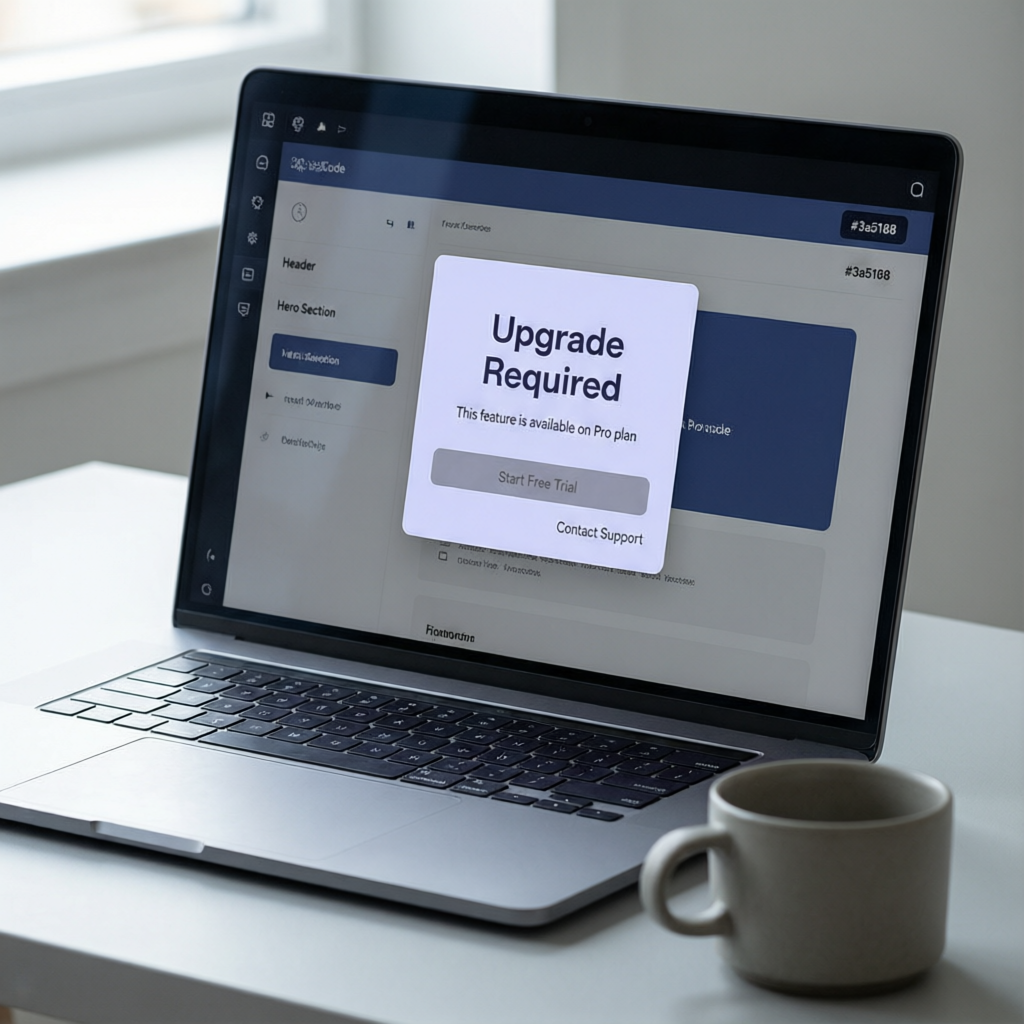
I don't say any of this to talk anyone out of no-code or AI builders — I use them myself, and for plenty of products they're the right call from day one to launch. The point is narrower than that: the tool isn't the risk, the untested assumption is. A slick demo is marketing, not a spec. It was built to get you to sign up, not to tell you where the ceiling is. The only way to find that ceiling before it finds you is to go stand under the lowest part of it on purpose, on the free plan, before you've built anything you'd be sad to lose. Three weeks of your time is worth more than that.