So, What's the Catch?
"So, what's the catch?" That's the first thing anyone asks when an offer says free four times in one sentence. Thirteen years of doing this the hard way taught me that the skepticism is fair. Every "free" framework I ever downloaded turned out to be a ten-page teaser for a $997 course, or a demo with the real content locked three screens deeper. So I'll answer the question before you have to ask it twice: there is one paid item in the whole Free Builder offer, and it costs $19.
That one item is an essay. It's a forecast on where AI takes white-collar work next, written for people who want to see the shift coming before it lands on their desk. It costs $19. That's it. Not $19 a month, not $19 to unlock the "real" kit behind it, just $19 once, for one piece of writing that isn't required to make anything.
Everything you actually need to put a SaaS together and keep every customer who signs up for it is free. Not "free trial" free. Not "free tier, capped at three users" free. Free like you pay nothing and walk away with the whole thing in hand.
Here's why that matters more than it sounds like it should. Most "free" offers in this space are lead magnets. The free thing exists to collect your email address, and the email address exists to sell you the paid thing later. Free Builder doesn't work that way, because the paid thing doesn't exist. There's no funnel here. There's a kit, and there's one essay, and the kit is not sitting behind the essay.
Here's Everything That's Actually Free
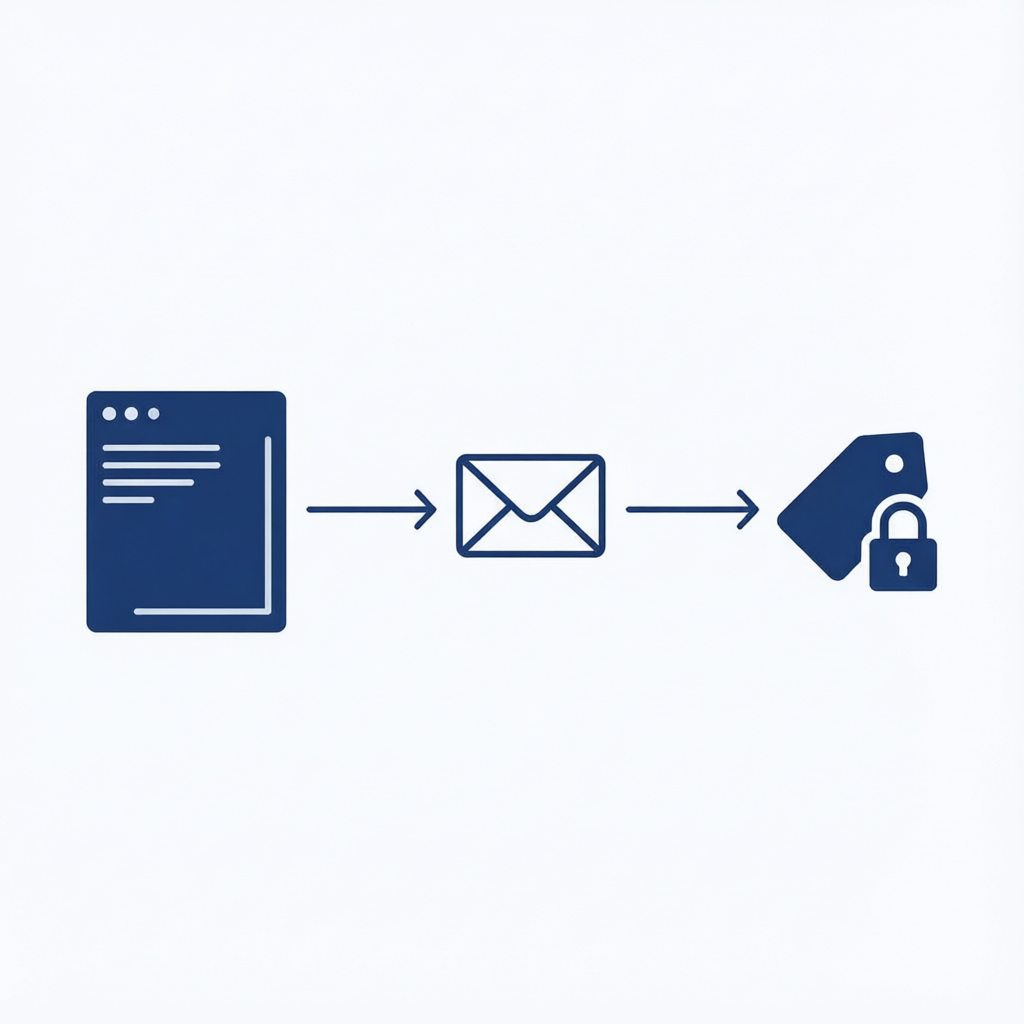
The 206-page PDF is the whole framework, written out in full. It covers how to pick a skill worth turning into a product, how to price it, how to onboard a customer without a single call, and how to keep a SaaS running without a team behind you. It's not a teaser chapter with the good parts locked further in. It's 206 pages, cover to cover, no locked sections, no upsell three chapters in. You can read it on a Saturday afternoon and know exactly what the next thirty days look like.
The 30-day AI crawl token is the second free piece, and it's the one that gets a product moving fast. Feed it to your AI worker and the worker reads the framework the way someone reads a manual on their first day, then starts putting pages and features together based on your direction. You are not writing code. You are telling the worker what a paying customer needs, and it goes and makes that page, that form, that dashboard.
The 85-file MERN reference codebase is the part most people don't expect for free. It's a real, working structure, Mongo, Express, React, Node, laid out so your AI worker has a map instead of a blank page. An artist putting together a shop site to sell prints doesn't need to know what MERN stands for. They need their AI worker to have a reference so the checkout page and the gallery page don't fight each other.
The 12 module specs round the free kit out. Each one is a written blueprint for a piece a SaaS commonly needs: billing, login, a customer dashboard, an admin panel, and more. A teacher putting a class portal together for a school project can hand the login spec and the dashboard spec to an AI worker and get a working login screen and grade view without hiring anyone. A church or a nonprofit standing up a donation page and an events calendar can do the same thing with the billing spec, and they keep every dollar that comes in because they own the account, not a platform.
None of these four pieces, the PDF, the token, the codebase, the specs, has a locked chapter or a "contact sales" button hiding behind it. You read the PDF, you spend the token, you point your AI worker at the codebase and the specs, and you have a site. That holds whether you're searching for the best free website builder for artists, a free website builder for nonprofits, a free website builder for churches, a free website builder for teachers, or a free website builder for school projects. It's the same 206 pages and the same 12 specs for everyone.
Why Free Isn't a Trick Here
I've put together four products over thirteen years, and the money in every one of them came from customers paying me every month, not from anyone paying for the tool that helped make the product happen. That's more than $1M across those four, and not one dollar of it came from selling a framework. If Free Builder's business model were sell the kit, giving away 206 pages and a codebase for nothing would be a strange way to run things. It isn't the business. The business is you owning a SaaS, keeping every customer, and keeping every dollar that customer pays.
Staying an employee is a bad trade, and I'll say it plainly instead of dancing around it. You trade your best hours for a paycheck that stops the day you stop showing up, and the company keeps every customer relationship your work created. Freelancing without owning your customers isn't much better. You still answer the same email ten times, you still rebuild your pipeline every few months, and the client, not you, decides whether the relationship renews. Owning a SaaS flips that, because the customer pays you directly and nobody can lay you off from a business you own.
The $19 essay sits off to the side on purpose. It's context on where AI takes white-collar work over the next few years, handy if you want the bigger picture, but you can put together a working SaaS without ever opening it. Nobody redirects you to it mid-signup. Nobody tells you the "real" PDF is somewhere past a paywall you haven't found yet. Grab the free kit, the 206-page PDF or the 30-day crawl token, and start today. That's the whole price list, and now you've seen every line on it.