

The 4 a.m. Check That Shaped My Business
I used to wake up at 4 a.m. To check for customer emails. Same three questions, over and over. Where's the deliverable? Can you add another revision? Why is this overdue? My heart raced before I opened the inbox. Every email felt like a demand on my time, my energy, my peace. That panic was the real cost of customer dependency. You know that feeling. You've built a good reputation, but your day is a series of reactions. You're always on call, always the bottleneck, always renting out your hours.
I built four products over 13 years, and I learned one hard truth. Customer work pays the bills, but it never gives you freedom. The more customers you have, the more you're tied to their schedules. You can't take a day off without planning it weeks ahead. You can't say no to a bad project because you need the check. I remember a stretch where I worked 80-hour weeks, and my revenue still had a ceiling. I was the product, and I was wearing out.

The turning point came when I realized I had something more valuable than any hourly skill. I had a repeatable process for solving my customers' problems. That process could become a product, and that product could work while I slept. That shift changed everything. It replaced the 4 a.m. Panic with a revenue dashboard check. It gave me a system that runs on autopilot. Your skill can do the same.
This article isn't about me. It's about you. You have expertise that customers pay for. You can turn that expertise into a SaaS product. You can build your brand presence on social media while your product sells itself. The goal is to stop renting out your time and start owning the system.
Your Customers' Questions Are a Product Blueprint
Stop thinking about your skill as a set of tasks. Think about it as a set of answers. Every time a customer asks you a question, they're giving you a snippet of an FAQ. Every time you solve a recurring problem, you're identifying a feature. Your product isn't a stretched version of your consulting; it's the distilled knowledge of everything you do repeatedly. Here's an example.
I worked with a social media manager who was constantly chasing engagement. She'd check accounts at midnight, respond to comments, and tweak content. Her customers loved her, but she was exhausted. She used AI workers to handle the repetition. The AI tracked comments, flagged urgent messages, and even drafted responses. She kept the judgment calls, the creative oversight, the final say. The routine disappeared. That freed her to build a subscription tool that guides her customers through content planning and brand awareness on social media. She still does consulting, but now it's the highest-ticket layer, not the whole business.
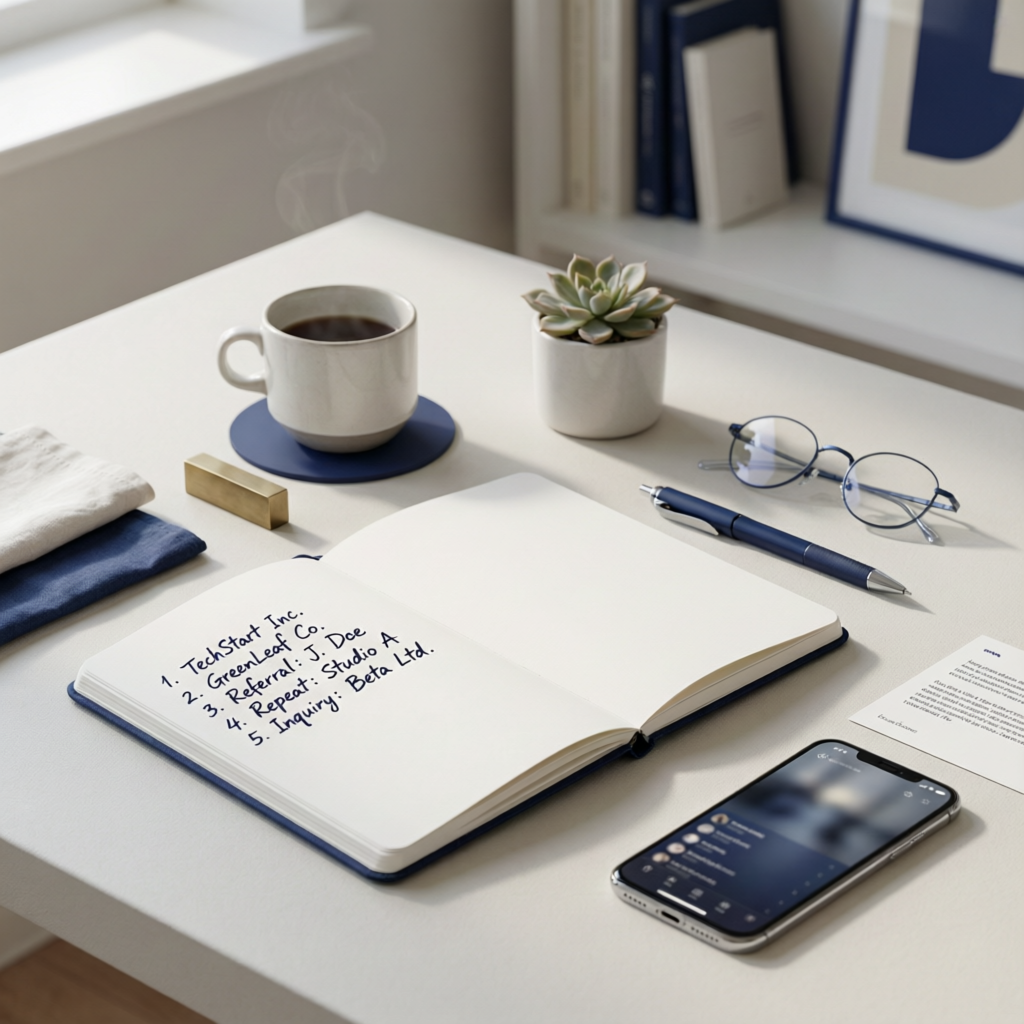
How do you find your target audience? Look at your current customer list. They're your target audience. The ones who pay you are proof there's demand. The ones who refer you are proof there's a network. The ones who ask for the same thing over and over are proof there's a product. You don't need a market study; you need to listen to your own inbox.
Your product doesn't have to be complicated. It can start as a simple template or a checklist. But it needs to be owned by you, not by your customers. When you build a product around your expertise, you stop being the bottleneck. You become the architect of a system that can scale without you. That's the core of freedom.
Build Once, Sell While You Sleep
You don't need to code to build your SaaS. I'm not a programmer. I've built four products, and none of them required a dev team. The Free Builder framework gives you a 206-page PDF or a 30-day AI crawl token. Your AI worker runs that token to build your SaaS step by step. You direct the worker, you review the work, you approve the changes. You're not a coder; you're a product manager.
I remember building my first product. It took a weekend, and I'd never written a line of code. The AI handled the tedious parts. I focused on what I knew: the user's problem and the solution. That first product is still running today. It's a subscription that costs $19 a month, and it's replaced a customer retainer that was $2,000 a month. The math is obvious. I'd rather have 20 $19 subscribers than 1 customer.
Your product doesn't need to be a complex platform. Look for the repetitive tasks you do for customers. That's your product. Maybe it's a report generator, a content scheduler, or a proposal template. The simpler the better. The goal is to solve one problem so well that you can package it and sell it to many people.
Once you have a product, you can use a free online store builder to sell it. If you're in South Africa or India, you don't need a Silicon Valley startup budget. There are free online store builder options that work globally. You can set up a store, connect a payment gateway, and start selling. The technology is not the barrier. The barrier is whether you believe you can build a product from your skill.
Break the Customer Habit, One Subscription at a Time
The hardest part isn't building the product. It's breaking the mental habit of renting your time. You've been trained to sell hours. You've been told that your income depends on your activity. That's a lie. Your income can depend on the value you create, not the time you spend. When you sell a product, you're selling the outcome, not the process.

A subscription model forces you to think differently. Instead of asking, How many hours did I work this month? you ask, How many customers did I serve? Each subscription is a vote of confidence. Each recurring payment is a signal that your product is worth keeping. That's a powerful shift.
You might worry that a $19 product won't match your hourly rate. That's the wrong comparison. A $19 product can serve a thousand customers. A $2,000 retainer serves one. The product generates revenue while you sleep, while you travel, while you focus on the next thing. The scale is the answer.

So start small. Pick one piece of your expertise. Turn it into a digital product. Sell it through a free online store builder. You can even use AI to help with the marketing. You'll learn the mechanics of selling, and you'll build confidence. Then you'll break the customer dependency for good.