

The Hourly Ceiling
You charge $100 an hour. That's not a rate, it's a ceiling. Your body only has 24 hours a day, and you can't bill all of them. So your income is capped by your physical limits. You trade time for money, and time always runs out.
When you trade hours for dollars, you are the bottleneck. Every customer, every deliverable, every revision runs through you. You can raise your rate, but there's a limit. Customers compare you to other freelancers, and markets have a ceiling. At some point, raising your rate prices you out of work.
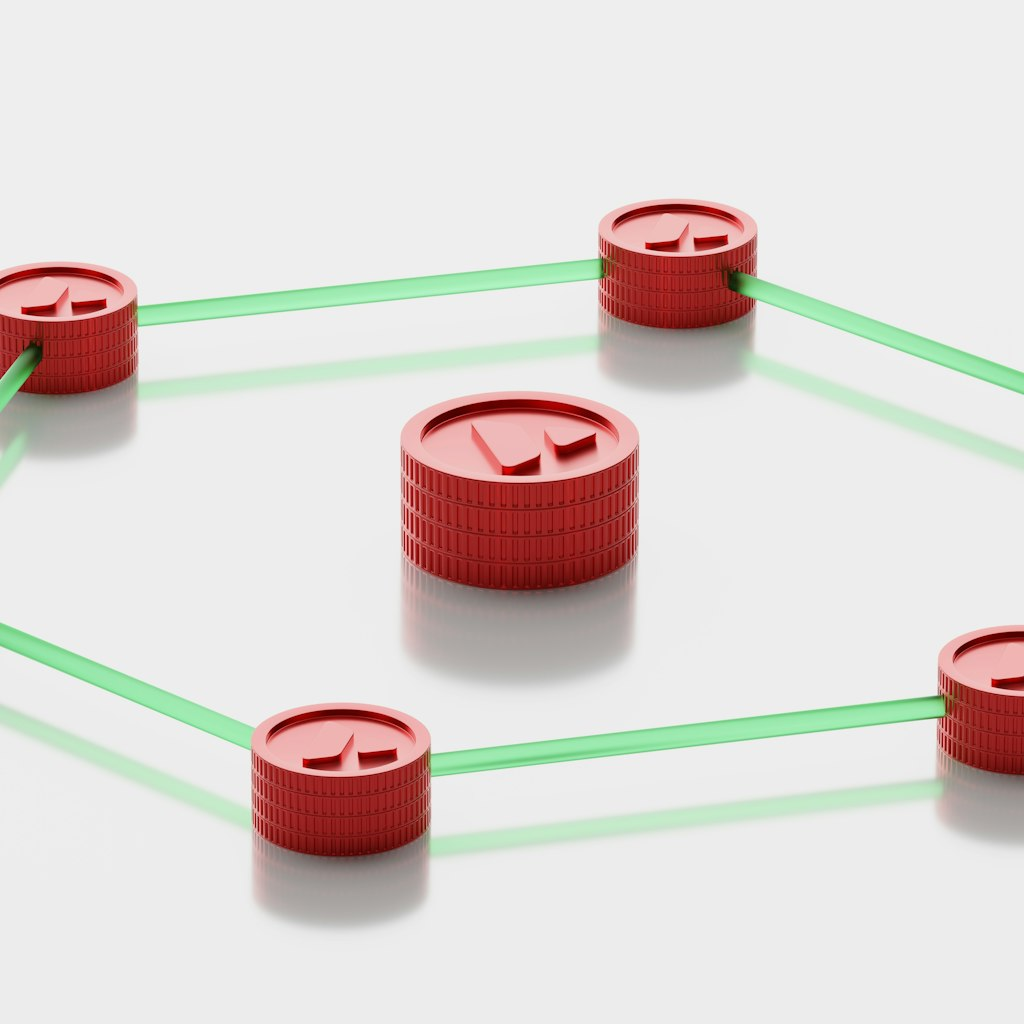
But the real problem is you can only work one project at a time. You can only be in one meeting at once. You can only write one report at a time. Your throughput is one person's worth of output. That's why a $200-an-hour rate still caps you at maybe $400,000 a year if you work every waking moment. That's a ceiling.
Imagine selling the same judgment to a thousand people for $10 a month. That's $10,000 a month in recurring revenue. That's $120,000 a year, and it doesn't require more of your hours. It requires a product. A product that uses your skill, packaged, and sold. Not billing for the hour, you license the outcome.
Your skill is the raw material. Your judgment is the product. You already have the expertise. What you don't have is a way to deliver it without you. That's what a product does. It separates your knowledge from your time. Once you build that product, it works while you sleep.
Your Product Is a Multiplier
A product is a multiplier because it separates your effort from your income. When you write a report, you get paid once. When you build a tool that generates reports, you get paid every month. The first is linear. The second is exponential. You need to keep your daily work going to pay bills, but you also need to build the thing that multiplies your time.

Think about the reports you already produce. You analyze data, you spot trends, you give recommendations. Customers pay for that judgment. But the process is the same every time. You could encode that process into a product. A SaaS that asks the customer for inputs, runs the analysis, and outputs a polished report. You direct the logic, the AI handles the repetitive work.
I built four products over 13 years. Each one started from a skill I had. I didn't learn to code. I didn't hire a team. I didn't raise funding. I used AI workers to do the heavy lifting. I defined the problem, directed the build, verified the output, and owned the customers. That's the operator's loop. It works because the core work isn't coding, it's judgment. Understanding the problem well enough to specify the solution.
Your expertise is unique. No one else has your specific combination of experience and insight. That means you can build a product that stands out. Not because it's technically complex, but because it encodes a decision-making process that took you years to refine. That's your edge. That's why people pay for your judgment, and that's what you can sell at scale.

The multiplier effect is real. A $10-a-month product with 1,000 customers makes $10,000 a month. With 5,000 customers, it's $50,000. That's the equivalent of billing $300 an hour at 167 hours a month. But you don't work 167 hours. You work on improvements and marketing. The product does the selling and delivering while you focus on what matters: your customers and your next product.
The Free Kit: Your Blueprint to Launch in Three Weeks
You don't need to know how to code to launch a SaaS. You need to know how to direct an AI worker. The Free Builder kit gives you a 206-page PDF and an AI crawl token. The PDF explains the process. The token lets your AI worker crawl the internet to learn the exact steps we used to build four products. That's not a feature. It means you don't have to re-invent the wheel. You follow the blueprint that already works.
Your AI worker is like an employee that works for free and never sleeps. You tell it what to build. It generates the code, writes the copy, even designs the layout. Your job is to define the problem your product solves and verify that the output meets your standard. You bring the domain expertise. The AI brings the labor.

Three weeks is a realistic timeline if you treat this like a sprint. Week one: define the problem and outline your product. Week two: Direct your AI worker to build a minimal version. Week three: Test it with real users, polish, and launch. It's not a quarter. It's not a year. It's three weeks. That's how fast the process can go when you stop writing code yourself and start directing.
I'm not saying the product is perfect at launch. It doesn't need to be. It needs to solve one problem well. You can iterate after you have paying customers. The point is to get it out of your head and into the market. The kit gives you the roadmap. You provide the destination.
Stop waiting for the right time or the perfect idea. You have the skill. You have the judgment. The only thing missing is the product wrapper. The free kit is the fastest path from that skill to a SaaS you own. You keep every customer and every dollar. No code, no team, no funding needed. Just you, your expertise, and AI workers you direct.
Start With an Online Store Builder Mindset
An online store builder is a common starting point for entrepreneurs who want to sell without upfront costs. But the mindset applies to you, even if you're not selling physical goods. You can use the same approach to build a SaaS. Start small, start free, and iterate. Just like a store builder lets you set up shop in an afternoon, the Free Builder framework lets you set up a product in three weeks.
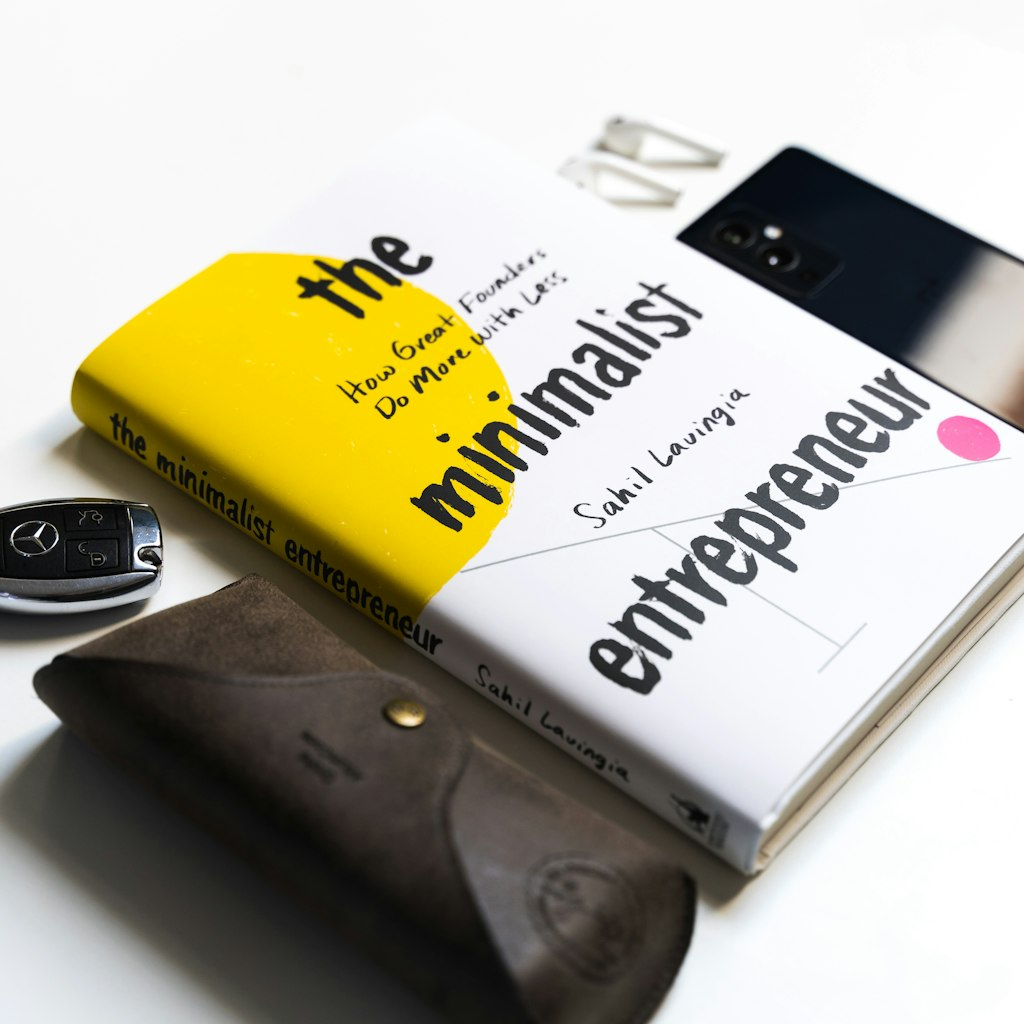
If you're an artist or photographer, you might be searching for the best free website builder for artists or the best free website builder for photographers. You want to showcase your work and maybe sell prints. That's a product. You can package your art into a subscription that delivers new prints each month. Or you can build a tool that helps other artists price their work. The point is to use your skill as the base.
Even for personal use, the best free website builder for personal use might help you start a blog or portfolio. But a blog is still a platform to share your expertise. You can turn that into a paid AI worker or a premium newsletter. You can build a course. The same principle applies: take your unique knowledge and offer it as a recurring product.
How to build brand awareness on social media is another common question. The answer is to share your thinking. Post your insights. Show your process. When people see your expertise, they trust you. Your product becomes an easier sell when your audience already knows you solve problems. The free kit helps you launch the product side, but you still need to tell people it exists.

The free online store builder that AI workers use is what you see in the Free Builder kit. It's not about templates or walls. It's about getting a product out that works. You don't need to know marketing or code. You need to know your customer and how to help them. The kit is your free store builder. It sets up the infrastructure. You fill it with your expertise.