
The Invoice You Never Sent
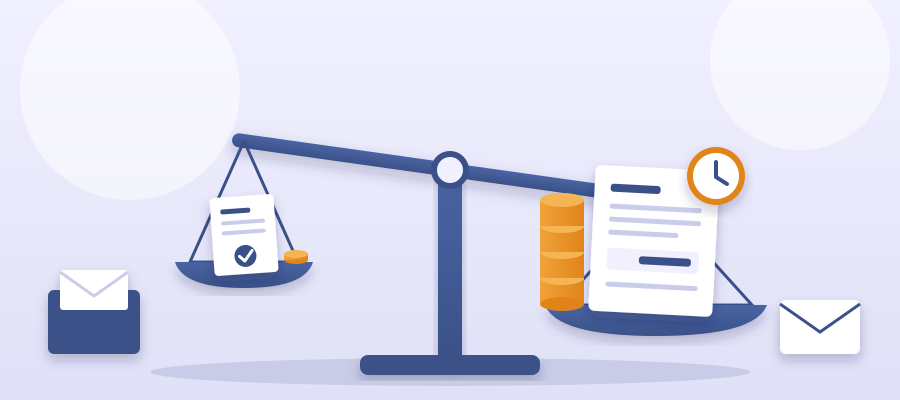
The invoice you skipped last week cost more than the one you sent. The one you sent brought in money. The one you skipped brought in nothing, and it told the client the follow-up does not matter. You were busy with work you had already billed. That is the trap. The hour you spent polishing a deliverable paid once. The hour you would have spent sending the follow-up and closing the next phase would have paid every month after that.
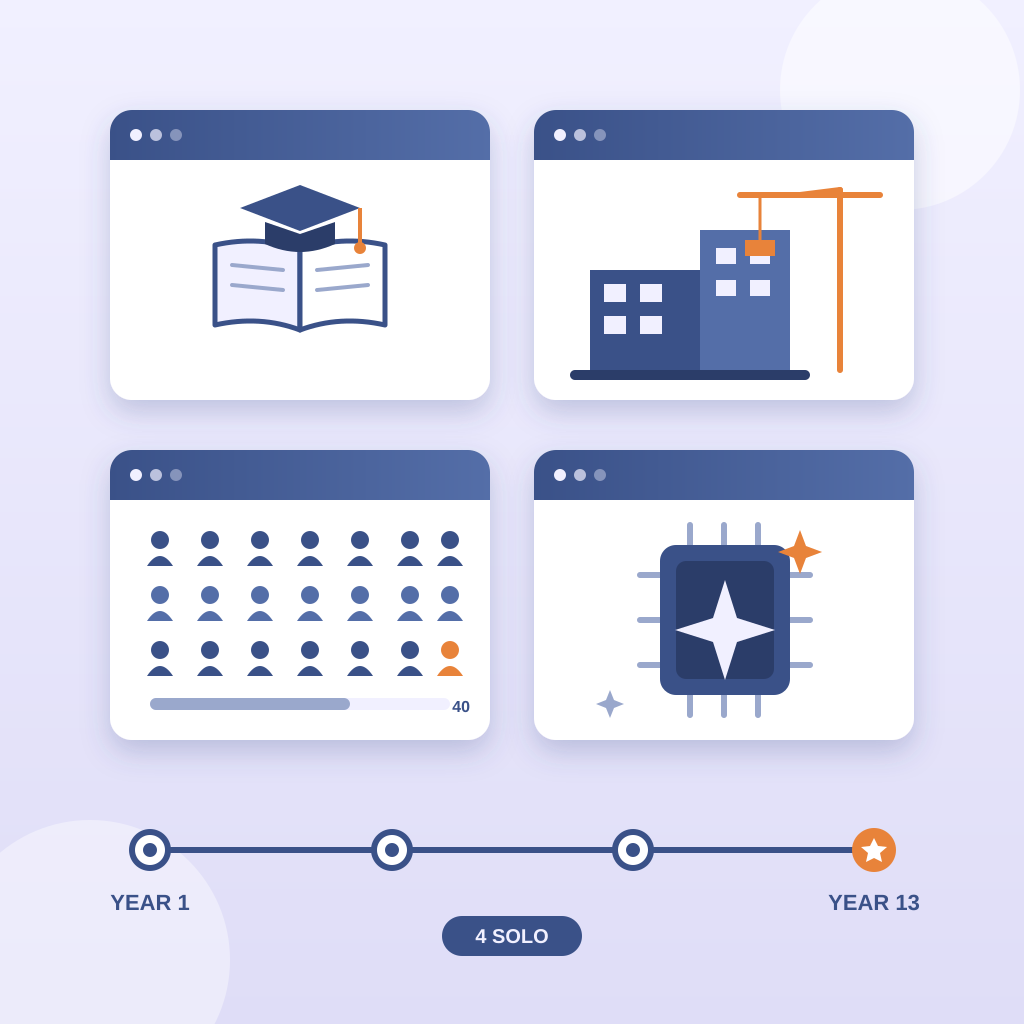
I have shipped four products solo across 13 years. Tutoplus in education. BidLight in construction. Tesla DGF as an internal system. Prigmar in AI marketing. What hurt my margin was never the hard technical problem. It was the work that paid once, done while the work that pays monthly sat in a draft folder. Brand strategy consulting makes this worse because the deliverable is a document. It looks finished. It feels finished. But the invoice for the retainer that turns that document into a living brand is the one you did not send.
Say you charge 200 an hour. You worked 40 billed hours last week. That is 8,000 on paper. Now name the cost. You skipped a 20-minute follow-up to a client who was ready to sign for internal brand training for employees at 4,000 a month. That number is not a guess. The client already called it reasonable in the scoping call three weeks ago. You know this. I know this. The invoice you never sent shows up in no spreadsheet, which is why it does not scare you.
Now the calendar. One client at 4,000 a month is 48,000 over 12 months. That money never entered the room because a 20-minute task lost to billed work. The invoice you sent last week paid for last week. The invoice you did not send was supposed to pay for next month. That is the gap between trading hours and owning a business.
Here is the cost of waiting. Skip this for another quarter and the client who wanted that training finds a trainer who sends the proposal on time. That trainer gets the 4,000 a month. You get the memory of being busy. And the first invoice never left the draft folder, so you never even see what you lost.
Why the Math Feels Wrong Until You Write It Down
Your brain treats the invoice you sent as the real one. It has a number. It has a send date. It has a payment reminder. The invoice you did not send has no number because you never wrote it down. The client's budget sits in your head. The scope sits in a notes app. The follow-up sits on a mental list that resets every morning. So the hourly rate feels like the ceiling. You compare a known 8,000 week against an unknown 4,000 month, and your brain picks the known number every time.
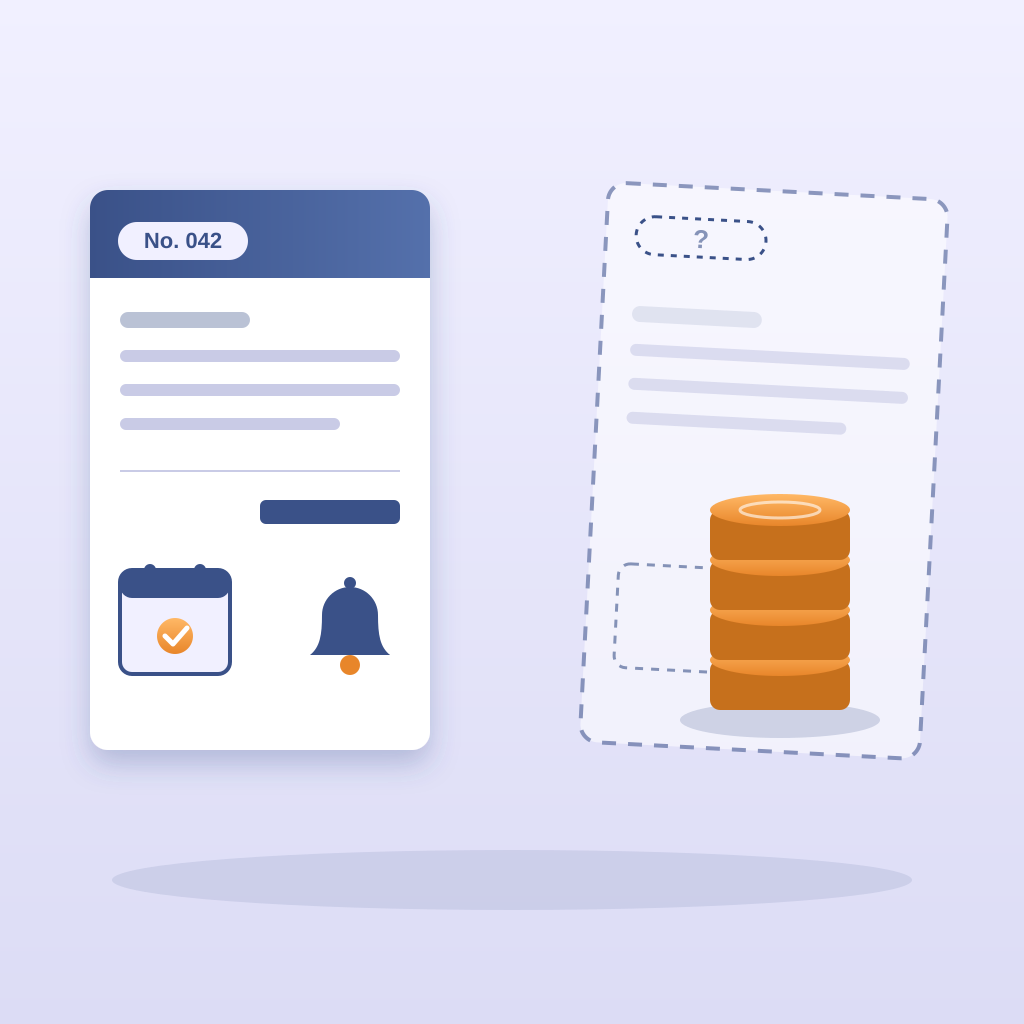
Write the unsent invoice down. Not in your head. In a file. Client name, scope, monthly number, the date you promised to send it. That one act turns an invisible cost into a visible one. I keep a tab called Unsent. It is the most uncomfortable tab I have, and the one that made me money. The same rule held when I ran Tesla DGF as an internal system. The automation was not the missing piece. The memo to the director who controlled the budget was. I skipped it because I was busy fixing the thing.
There is a second reason the math feels wrong. Hourly work pays fast. Follow-ups pay slow. You send a proposal for internal brand training and the client takes eight days to reply. Eight days feels like silence. It feels like a no. So you go back to the billable work, where the feedback is immediate. But eight days is not a rejection. It is the normal pace of a decision-maker with three other fires on the desk. The invoice is not unpaid because the client said no. It is unpaid because you never sent it.
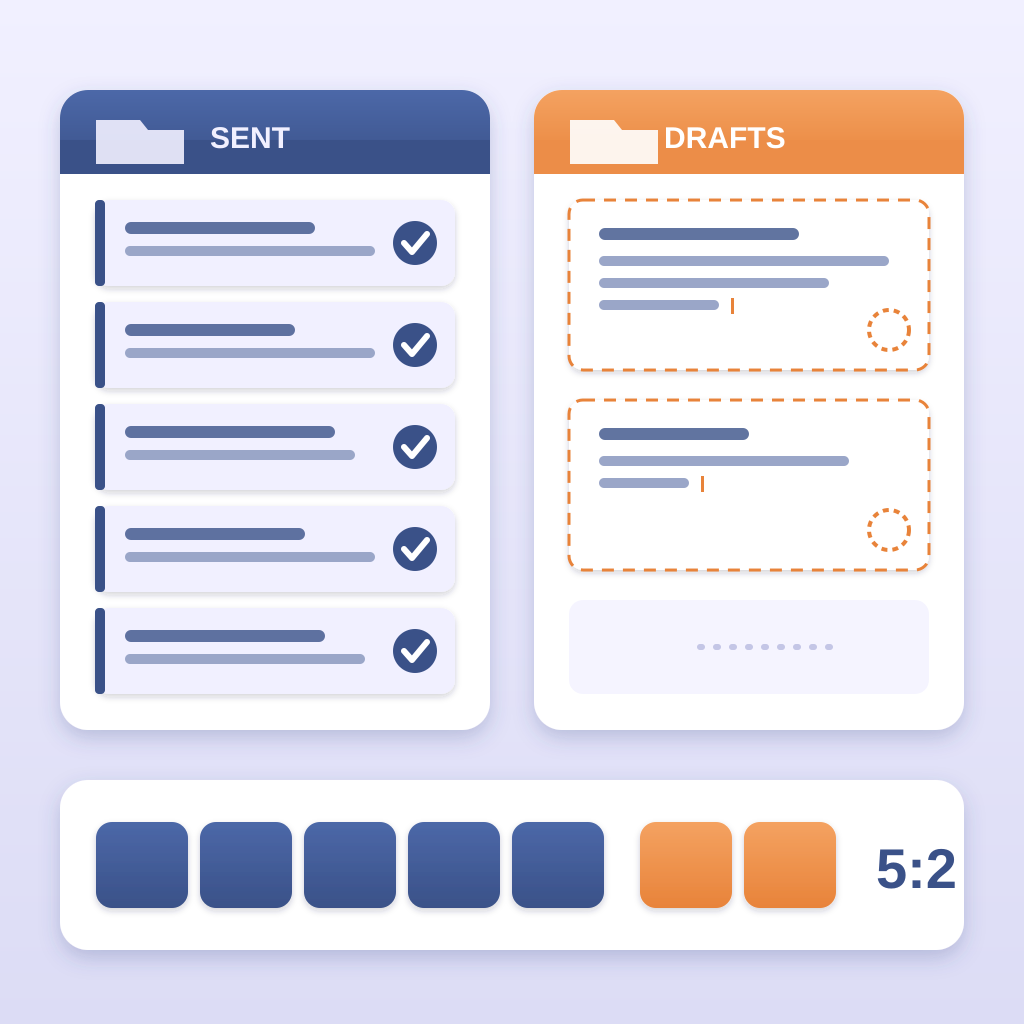
Here is a test you can run in five minutes. Open your sent folder and count the proposals you sent last month. Then open your drafts and count the ones you started and never finished. Those drafts are the path to recurring revenue. They are the difference between an hourly rate that resets every month and a retainer that does not.
The Follow-Up Is the Sale You Already Made
You already sold the outcome. The client sat in the room and said yes to the strategy. The follow-up is not a second sale. It is the delivery of the first one. That removes the fear. You are not asking for money you have not earned. You are sending the invoice for work the client agreed to buy. The only thing between you and the 4,000 a month is a 20-minute task you skip because it feels like selling when it is shipping.
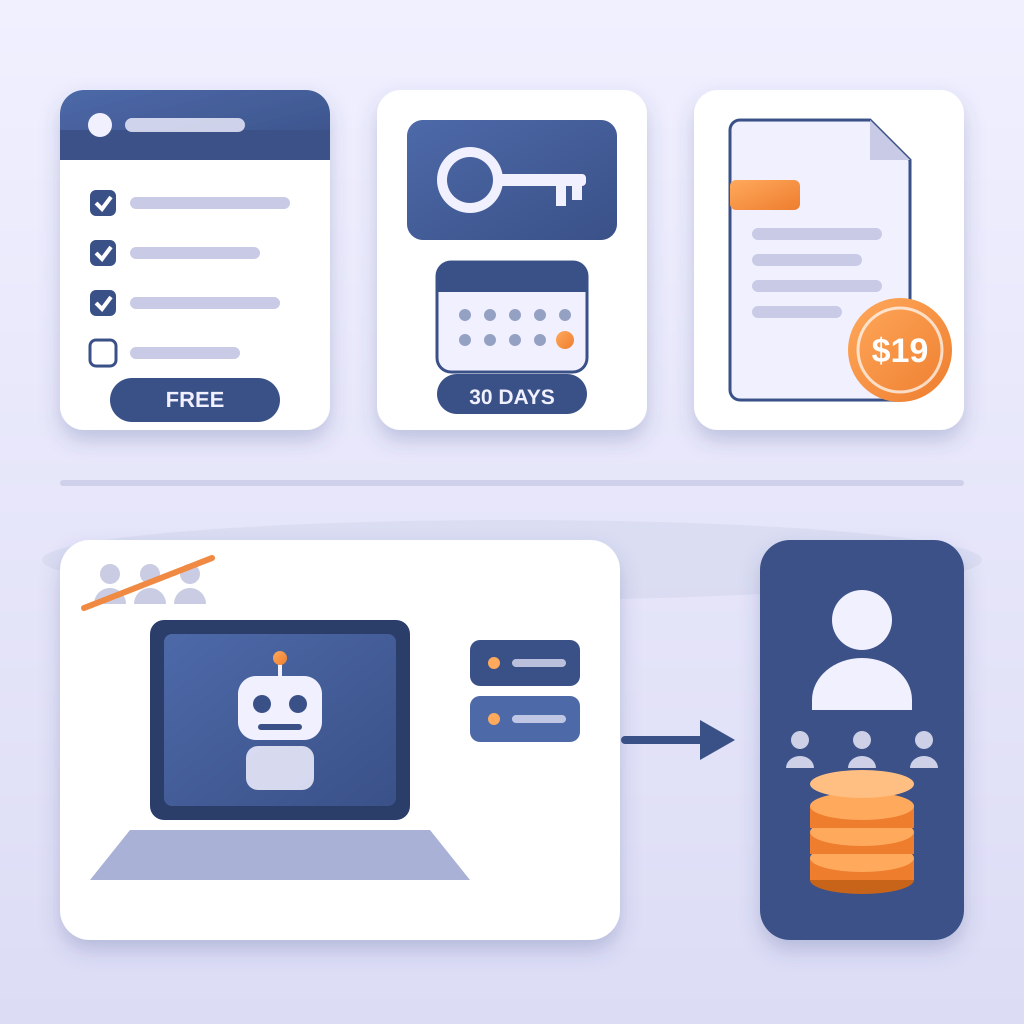
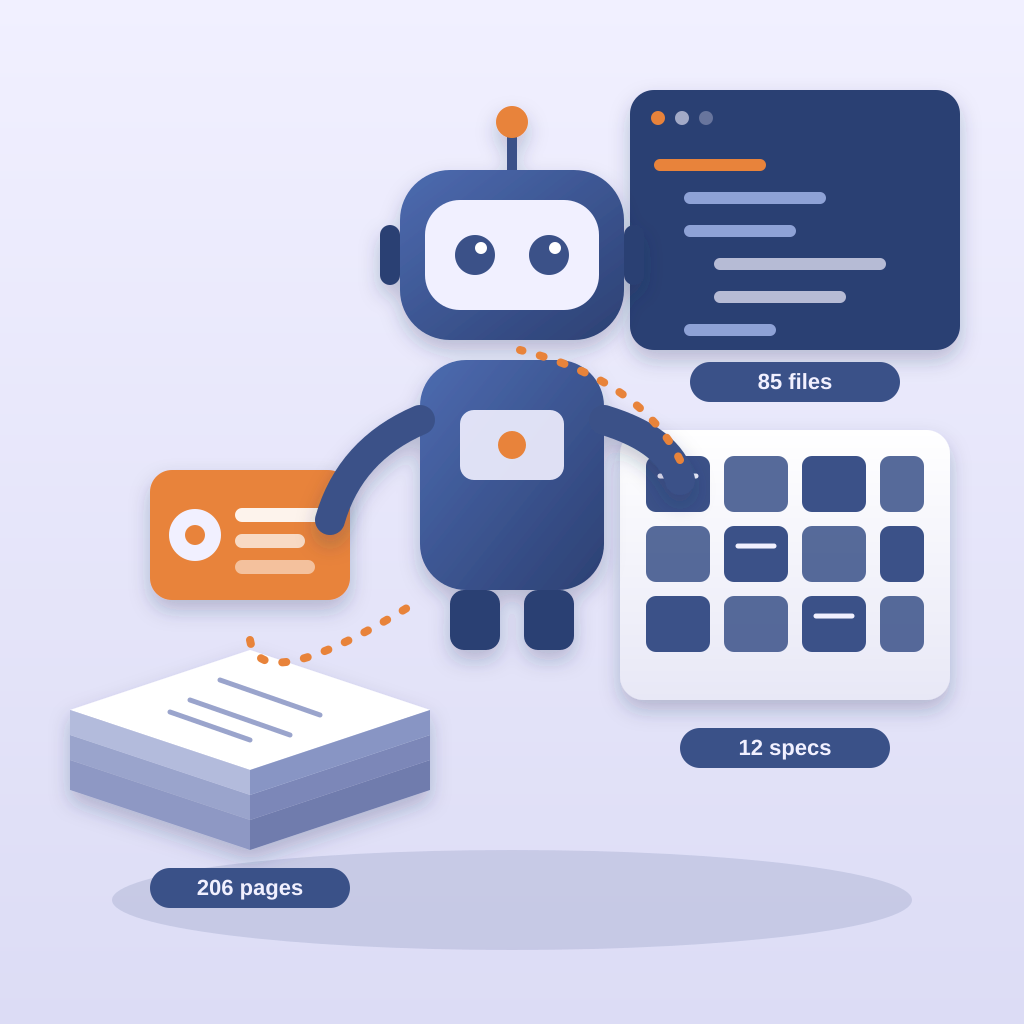
I made Free Builder around this exact problem. The core kit is free. Here is exactly what is included: 206 pages, 12 module specs, an 85-file MERN reference codebase, and a 30-day AI crawl token your AI worker can fetch while it works. Two ways in: hand your AI worker the token, or download the PDF and read it yourself. No webinar. No $997 course. No upsell. I priced it at zero for the same reason the unsent invoice matters. The client is already in the room. You do not need a fresh lead. You need to send the thing.
The AI worker changes the cost side. A follow-up you skip today because you are busy with billed work is a follow-up your AI worker can send while you sleep. I run AI employees for the marketing, the follow-up and the invoicing. They do not get tired of the draft folder. They do not decide the client is probably not interested. The bottleneck was never the strategy. It was the send button.
So what is free and what is paid? The kit is free. The token is free. The AI worker runs on your own setup, and you keep every customer and every dollar. There is no team to hire and no funding to raise. What it takes is one evening, writing the unsent invoice down. The cost is not money. It is the discomfort of seeing the number you have been avoiding.
Set Up the Follow-Up Loop in Three Weeks
Three weeks of calendar time is enough. You do not need a quarter of runway. This structure has already shipped four times across four industries. Tutoplus. BidLight. Tesla DGF. Prigmar. Same nav pattern, same pricing layout, same machine underneath. You are not inventing a follow-up system. You are copying one that already worked.
Week one is the list. Every client you ever sent a proposal to. Every client who said maybe later. Every client who asked about internal brand training and never got the follow-up. Put them in one file and attach the monthly number you would charge if they said yes. Do not filter. Do not decide who is ready. The point is to make the unsent invoices visible. You will find more than you expect. It was the first time my unsent work had a number, and that list became the most valuable document I owned.
Week two is the setup. Hand your AI worker the crawl token, or read the 206-page PDF yourself. The 12 module specs and the 85-file reference codebase are there so the worker copies a structure instead of inventing one. You bring the judgment about which clients are worth the follow-up and what the offer says. The AI worker does the execution: the follow-up emails, the reminders, the invoice templates. By the end of the week the loop exists. It is not perfect. It does not need to be.
Week three is the send. The AI worker follows up on schedule. You read the replies and take the calls. You keep every customer and every dollar. The invoices you never sent last quarter start to collect. Waiting costs the same 4,000 a month you were already leaving in the draft folder. Setting this up costs three weeks of evenings. That is the trade. No code. No team. No funding. Just the judgment you already have and a worker that does not skip the follow-up.
What You Keep When You Send the Invoice
The invoice you send keeps paying. The invoice you never send keeps costing. An hourly rate resets to zero every month. A retainer does not. A client who buys internal brand training from you every quarter does not reset either. The difference is not skill. It is the follow-up. You already have the skill. Your hourly rate is not the problem. The problem is that the hour you spend on the next invoice is an hour you are not billing, so you skip it.
I will not tell you this is easy. The first unsent invoice you write down will be uncomfortable. The first follow-up to a client who went quiet will feel like a risk. It is not. The client liked the work. The silence was not a no. It was a draft folder on their side too. A reminder from your AI worker is not a sales tactic. It is a delivered promise.
Ownership means you keep every customer and every dollar. That sounds like a slogan until you see the alternative: doing work you already billed while the work that pays monthly waits in a folder. Billed work pays once. The follow-up pays every month. The invoice you skipped last week cost more than the one you sent, because one paid for last week and the other was supposed to pay for next month. That is the math. Write the unsent invoice down tonight. Send it tomorrow.

Short version: the kit is free, and that is enough to start. The follow-up is the sale you already made. Send it. I am going to go send mine.