
The Budget You Are Not Counting
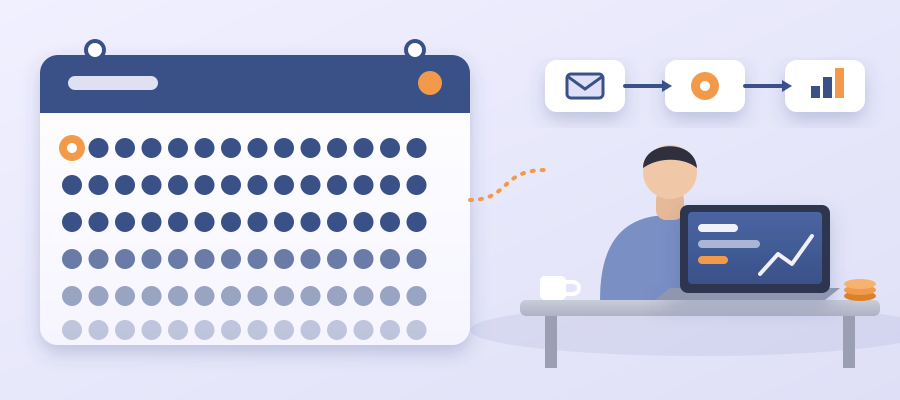
Most solo founders count dollars first. They add up tools, ads, freelancers, and call the total their budget. They forget the one resource that decides whether the business exists in six months: calendar days. You have about 90 days before your attention moves to something else. That is the budget. Spend it on a business that answers one question: can this skill sell without me trading hours for it?
Funding does not answer that question. A check buys you time, but it also buys you a board, a burn rate, and a reason to keep spending after the answer is already no. The 90 days answers it directly. You either have paying customers or you do not. You either have a system that runs the follow-up or you are still writing every email by hand.
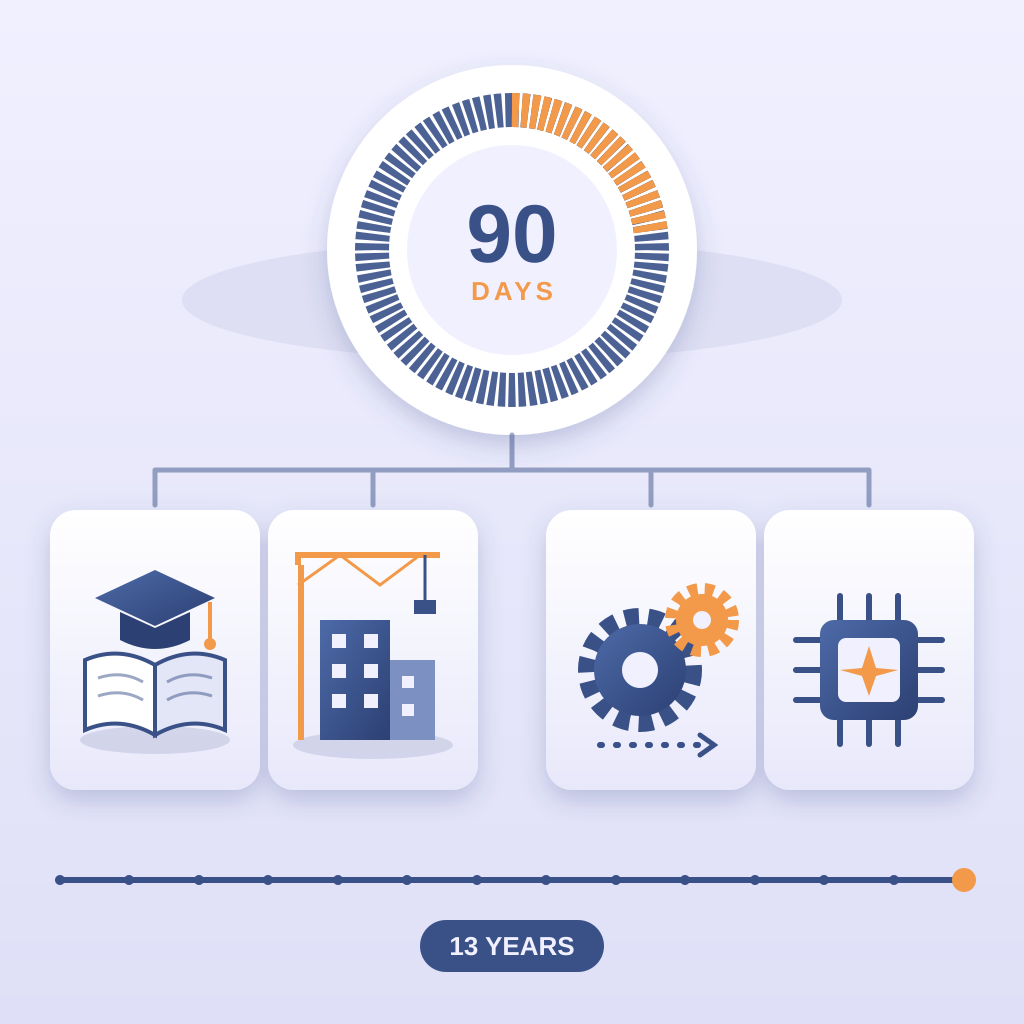
I built four products over 13 years with no funding. Tutoplus in education, BidLight in construction, Tesla DGF internal automation, Prigmar in AI marketing. Same pattern each time. A 90-day window, a structure that already worked, and AI workers doing the daily loops. The budget was never money. It was the next 90 days and whether I spent them on the right loops.
Solo founder marketing automation is the part most people skip. They spend the 90 days building the product and leave marketing for later. Later never comes. The product ships, nobody knows, and the 90 days close with a quiet repo and zero revenue. The fix is to treat marketing automation as part of the build, not a phase after it.
Name the cost of waiting. Every month you spend deciding whether to start is a month your hourly work keeps resetting to zero. You bill, you get paid, and next month starts at the same place. A 90-day build that owns customers breaks that loop. Waiting does not.
The core kit is free. A 206-page PDF or a 30-day AI crawl token your AI worker fetches while it builds. The paid PDF is $19 and it is 21 pages, and I will tell you now it does not get you the token. Start with the free kit. The 90 days costs you time, not money.
What a 90-Day Answer Looks Like
An answer is not a feeling. It is a number and a date. By day 90 you want three things: a product that takes payment, a marketing loop that runs without you typing each message, and a list of customers you own. If those three exist, the answer is yes. If they do not, the answer is no, and you learned it for the cost of 90 days instead of a year of runway.
Break the 90 days into three blocks of 30. The first 30 are for the build. You hand your AI worker the crawl token and it copies a structure that already shipped four times. Same nav pattern, same pricing layout, same machine underneath. You direct. It executes. No code. No team. No funding.
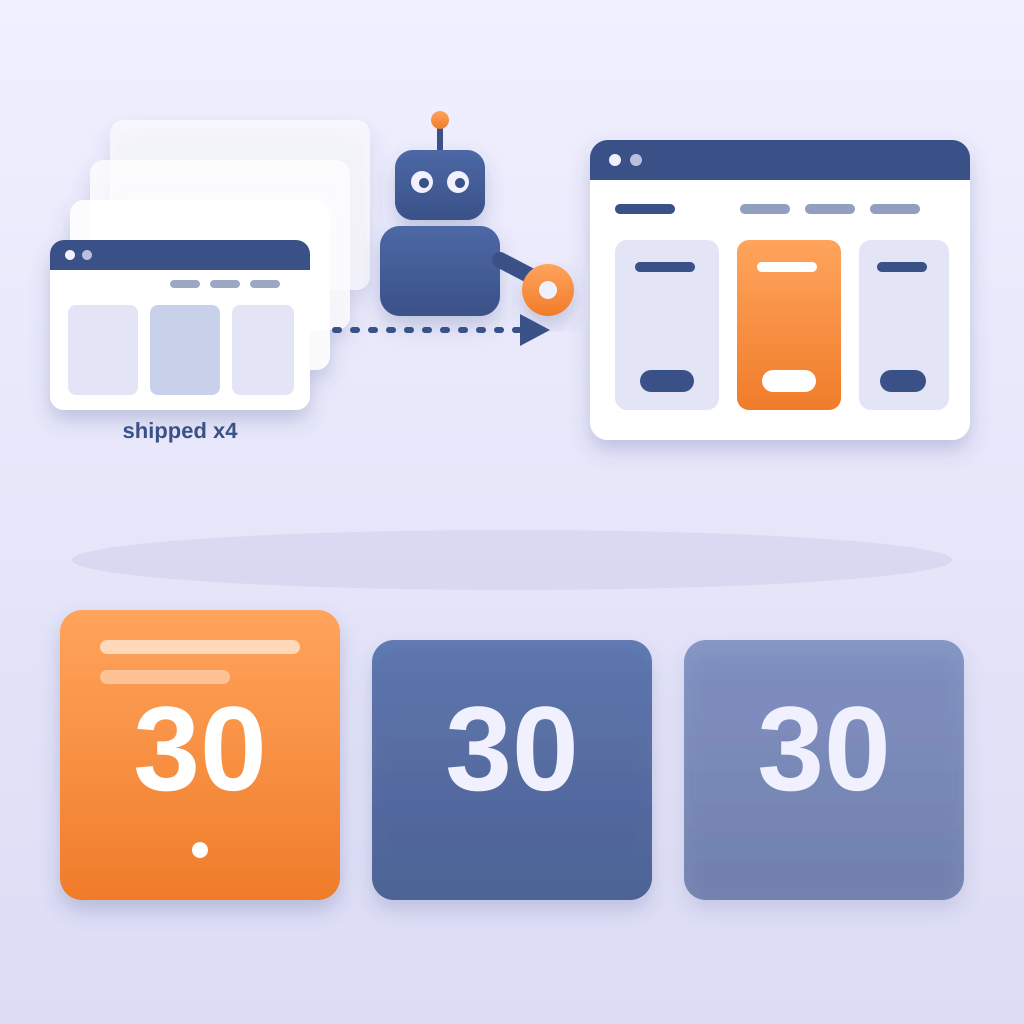
The second 30 are for the marketing loop. This is where solo founder marketing automation earns its name. Your AI workers run the follow-up at 9am, the reminder at 4pm, the invoice when the deal closes. You write the judgment once. The workers run the daily repetition. That is the difference between a business and a job you invented for yourself.
The third 30 are for the honest read. Look at the numbers. How many people paid. How many replied. How many needed a second touch before they moved. If the loop is working, you keep going. If it is not, you change the offer, not the whole framework. The structure stays. The message moves.
Do not spend the 90 days learning to code or hiring a team. Those are ways to spend the budget on someone else's answer. You bring the judgment. The AI workers bring the execution. That is the trade, and it holds for 90 days or it does not.
The framework has run across four industries. Education, construction, internal automation, AI marketing. Same machine underneath. That is the reason the 90-day window is realistic. You are not inventing the structure. You are pointing it at your skill.

Solo Founder Marketing Automation in the Daily Loops
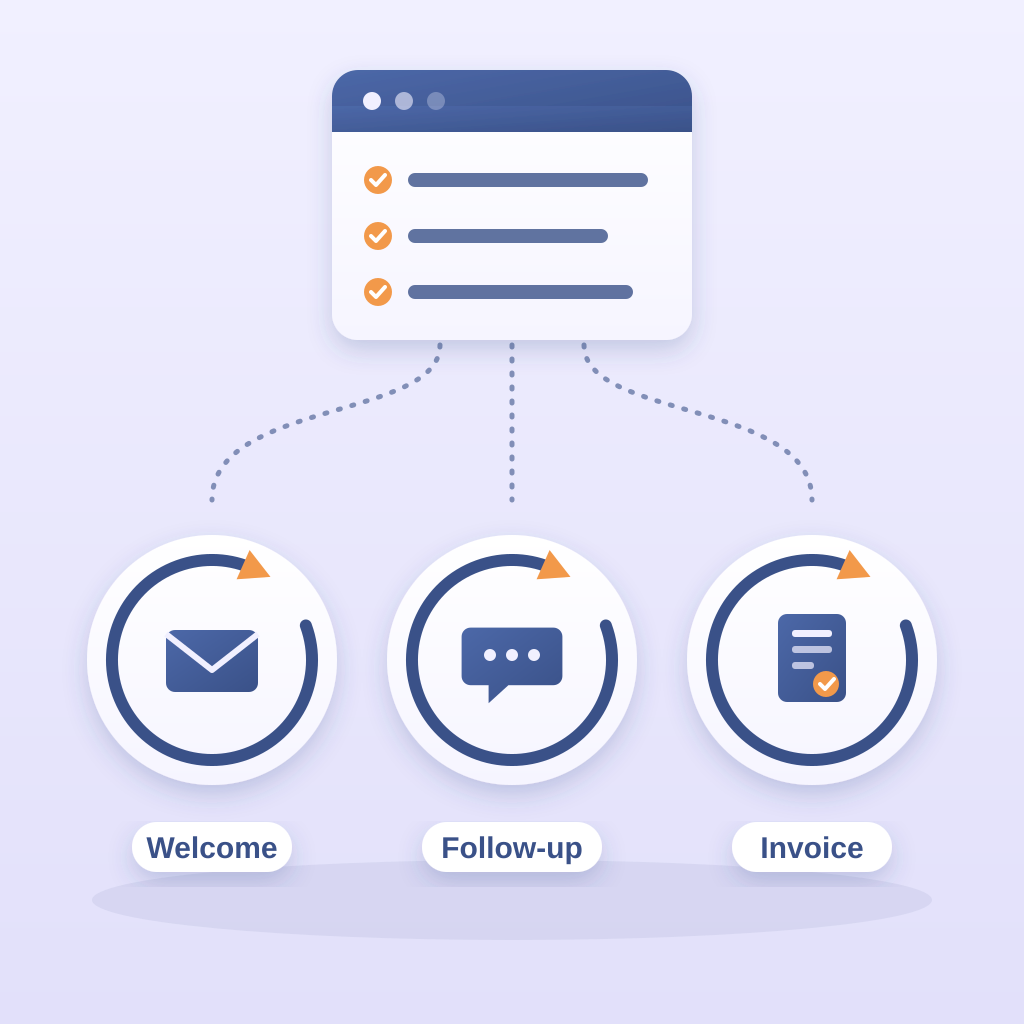
Marketing automation for a solo founder is not a funnel diagram. It is a small set of loops that run whether you are at your desk or not. The first loop is the welcome. Every new subscriber or lead gets the same clear message within the hour. The second is the follow-up. Anyone who replies gets a real answer from you, but the reminder that goes out before they reply is the worker's job.
The third loop is the invoice. This is the one most solo founders handle badly because it feels awkward. You do not need to feel awkward if the worker sends it. The deal closes, the invoice goes out, the reminder runs on schedule. You keep every dollar because there is no platform taking a cut and no team to pay.
I name the cost here plainly. If you do not set up these loops in the first 30 days, you will spend the next 60 doing them by hand. That is the whole 90 days spent on repetition instead of on the answer. The repetition tax is real and it eats the budget.
The kit is written for the AI worker, not for you. The 30-day crawl token lets your AI crawl every chapter and file straight from the server while it builds. That is why the loops get set up fast. The worker reads the spec and runs it. You read the 206-page PDF if you want to understand the machine, but you do not have to memorize it to ship.
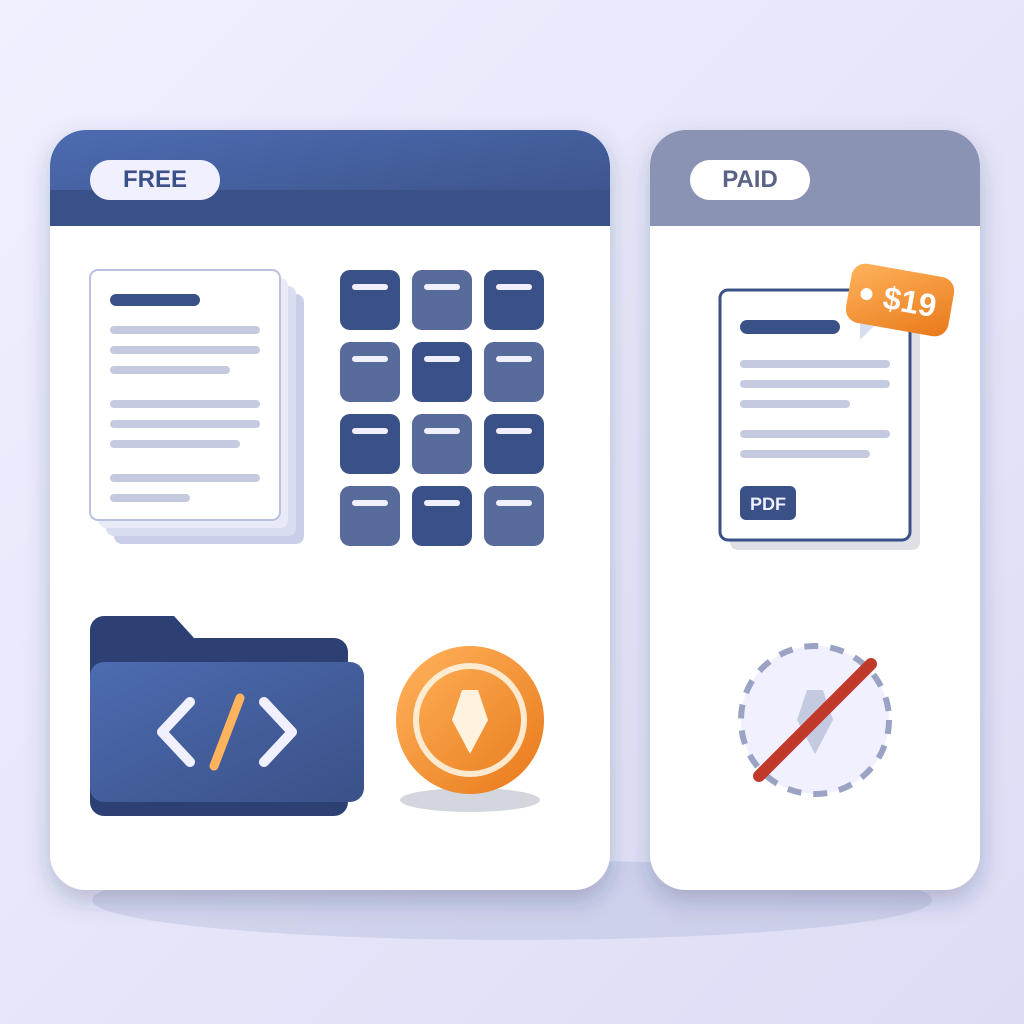
What is free? The full kit. 206 pages, 12 module specs, an 85-file MERN reference codebase, or the 30-day token. What is paid? The 21-page PDF at $19, and it does not include the token. I would rather you know that now than find out after you pay.
The goal is a business that keeps moving while you sleep. Not because you automated everything, but because you automated the loops that repeat. The judgment stays with you. The repetition goes to the workers.
The Cost of Waiting Past the Window
The cost of waiting is not zero. It is the same 90 days, spent on nothing you own. You keep billing hours. You keep answering the same questions for free. The client who fired you still keeps the system you built because you never packaged it. The window closes and you are in the same place with the same skill and no product.
I have watched this play out. The people who wait for funding wait a long time. The people who wait for the perfect moment wait longer. The ones who spend the next 90 days on a structure that already shipped four times come out the other side with something they own. Same skill. Different budget.
There is a version of waiting that sounds responsible. You tell yourself you are researching. You are not. You are spending the only budget you have on the feeling of progress. The 90-day answer requires you to ship something a customer can pay for and then watch what happens. Research does not produce that answer.
I do not know your exact numbers yet. I do not know how many of your current clients would pay monthly for the thing you keep giving away. Nobody knows that until the loop runs. That is the point of the 90 days. You find out. You do not guess.
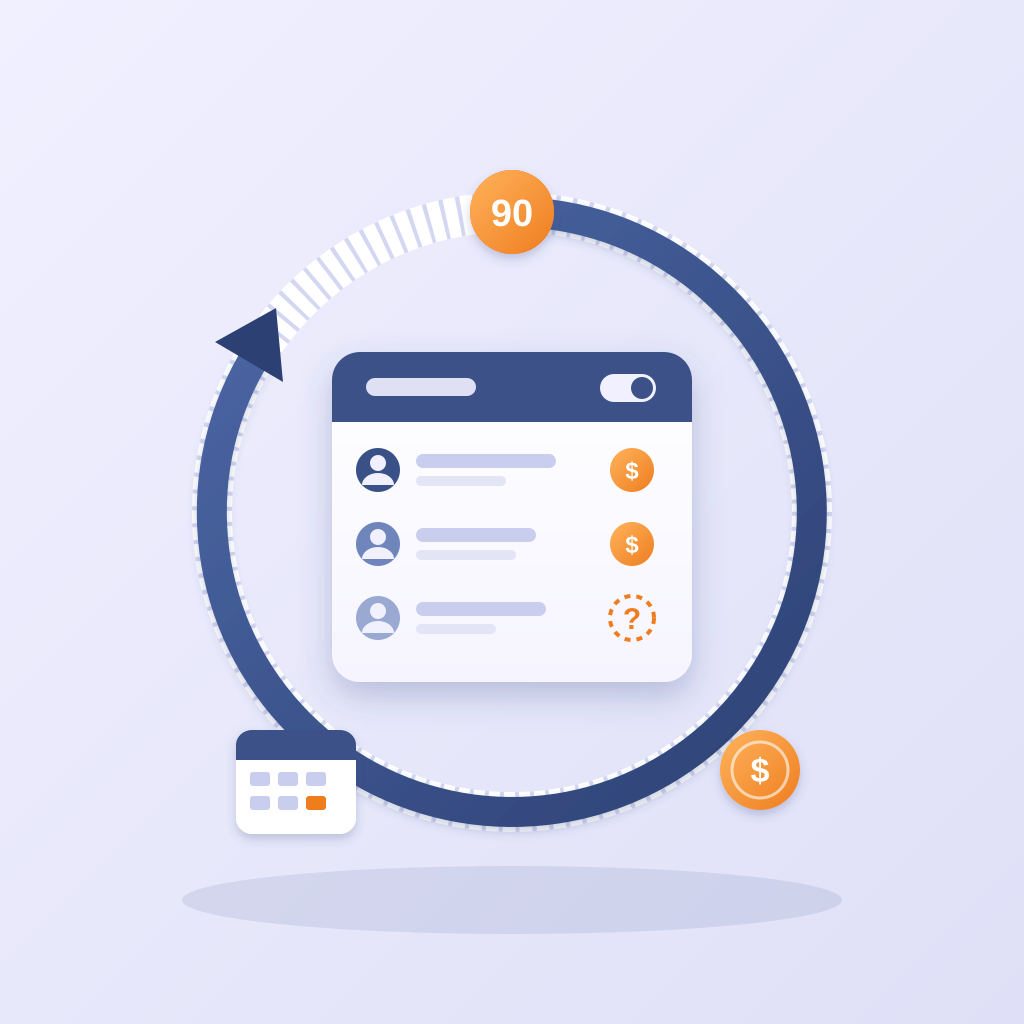
Set the date. Write the three numbers you want by day 90. Payments taken, loops running, customers owned. Then spend the budget on those, not on the question of whether you should start. The start is the free part.
What to Do Tomorrow Morning
Tomorrow morning, pick the free kit. Either open the 206-page PDF or hand your AI worker the 30-day crawl token. Do not buy anything first. The kit is free because the first 90 days should cost you time, not money, and you should be able to check that the structure is real before you spend a dollar.
Then block the first 30 days. One block for the build. Do not add a second project. Do not take a new hourly gig that eats the block. The 90-day budget is only real if you defend it.
Next, write the three loops your worker will run. Welcome, follow-up, invoice. Plain language. One line each. The worker fills in the rest from the spec. You are directing, not typing every message.
Then set day 90 on the calendar and do not move it. When the window closes, read the three numbers. If they are there, keep going. If they are not, change the offer and run another 90. You do not need funding for either outcome. You need the answer, and the answer costs 90 days.
That is the budget. Spend it.
Keep building.