

The Guess You Make Before the First Line of Code
Most builds start with the builder guessing what the customer wants. I did this on my first product. I wrote the features I thought people needed, picked a price I thought sounded fair, and shipped. Then I watched the actual customers use it and found out my guess was wrong in three places. The AI worker did not fix that. It just executed the wrong guess faster.
Here is what happens when you skip the customer and start with the schema. You open the editor, you sketch tables, you pick a stack, you tell your AI worker to scaffold the auth flow. Two weeks later you have a working product with the wrong shape. The rebuild costs more than the first build did, because now you have data in the wrong columns and a pricing page that names a service nobody asked for.
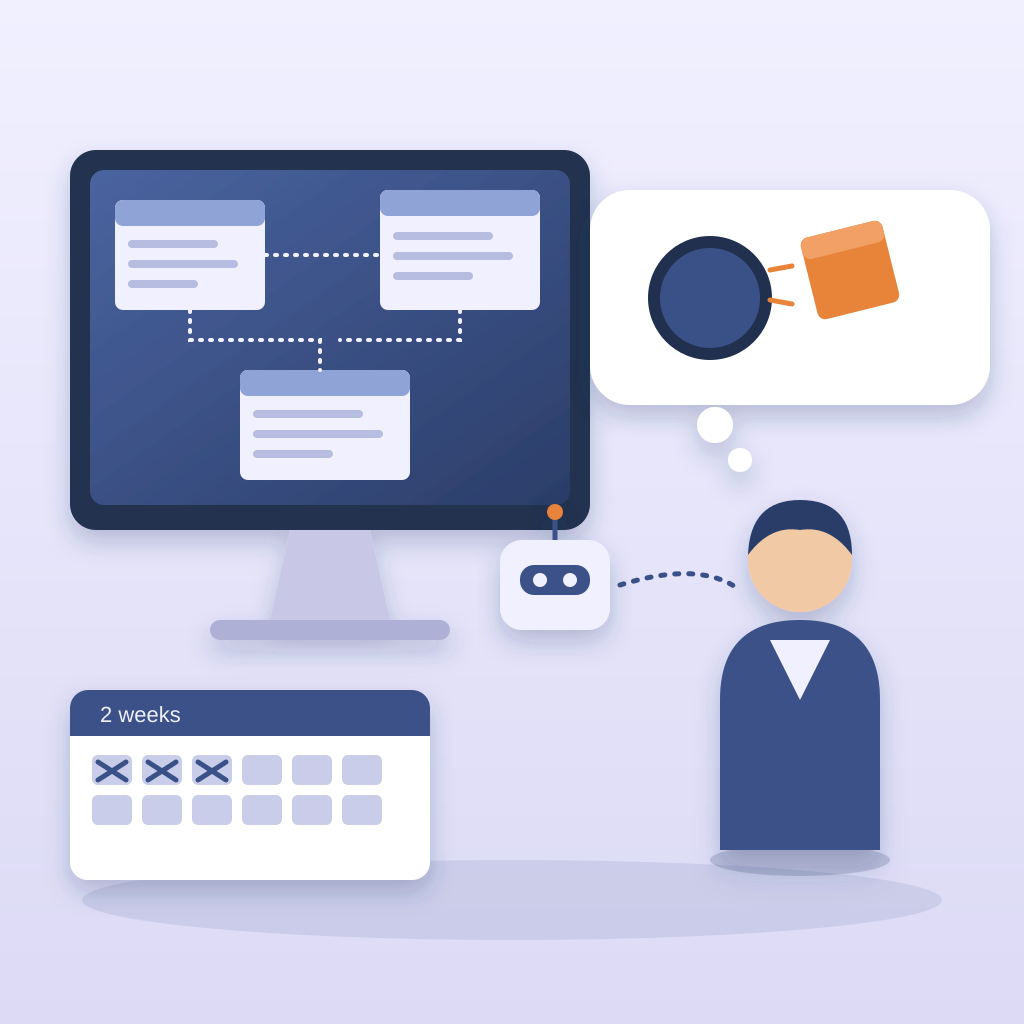
The four pillars in the free kit start with Structure. Structure starts with the customer, not the schema. That order is not a formality. It is the difference between a three-week build and a three-month rebuild. When the customer answers first, every module your AI worker writes has a reason to exist. When the customer answers last, you are guessing with better tooling.
The cost of guessing is not just the rebuild hours. It is the weeks you spend selling something nobody asked for, and the customers who try it and leave because it does not match what they needed. That cost is harder to see than a server bill, and it is larger.
So before you open the editor, before you hand your AI worker the crawl token, send one question to a real customer. The one you already have. The one who paid you last month. Ask it today, get the answer this week, and build from that.
The Question: What Did You Pay Someone to Do Last Month That You Wish You Could Pay Less For?
That single question names your service. Not the service you want to sell. The service someone already paid for, already resented paying for, and would pay less for if the work were just as good. That is a customer with a budget and a complaint. That is a product.
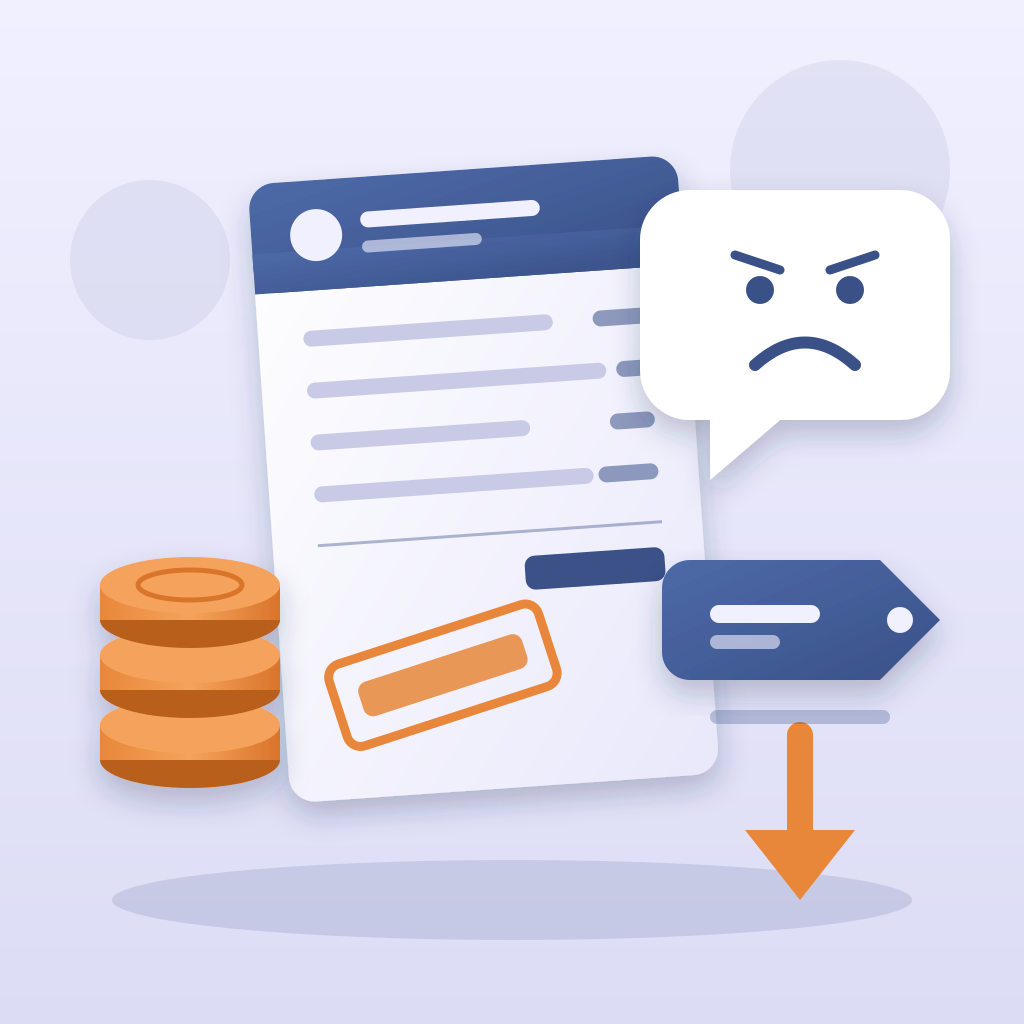
I use this question because it dodges the polite answers. If you ask a customer what they need, they tell you what sounds reasonable. If you ask what they paid for last month and wished cost less, they tell you the truth. The answer comes with a number attached. They remember the invoice. They remember the hours. They remember the freelancer who charged by the hour and took three weeks.
The answer also names your pricing page. If they paid a consultant $4,000 for a brand audit, your pricing page says $400 a month and the comparison is already made for them. You do not have to write clever copy about value. The customer's own last invoice is the copy.
The answer names the first module your AI worker writes. If the pain is reporting, the first module is reporting. If the pain is follow-up emails, the first module is follow-up. You are not guessing which part of the product to build first. The customer told you.
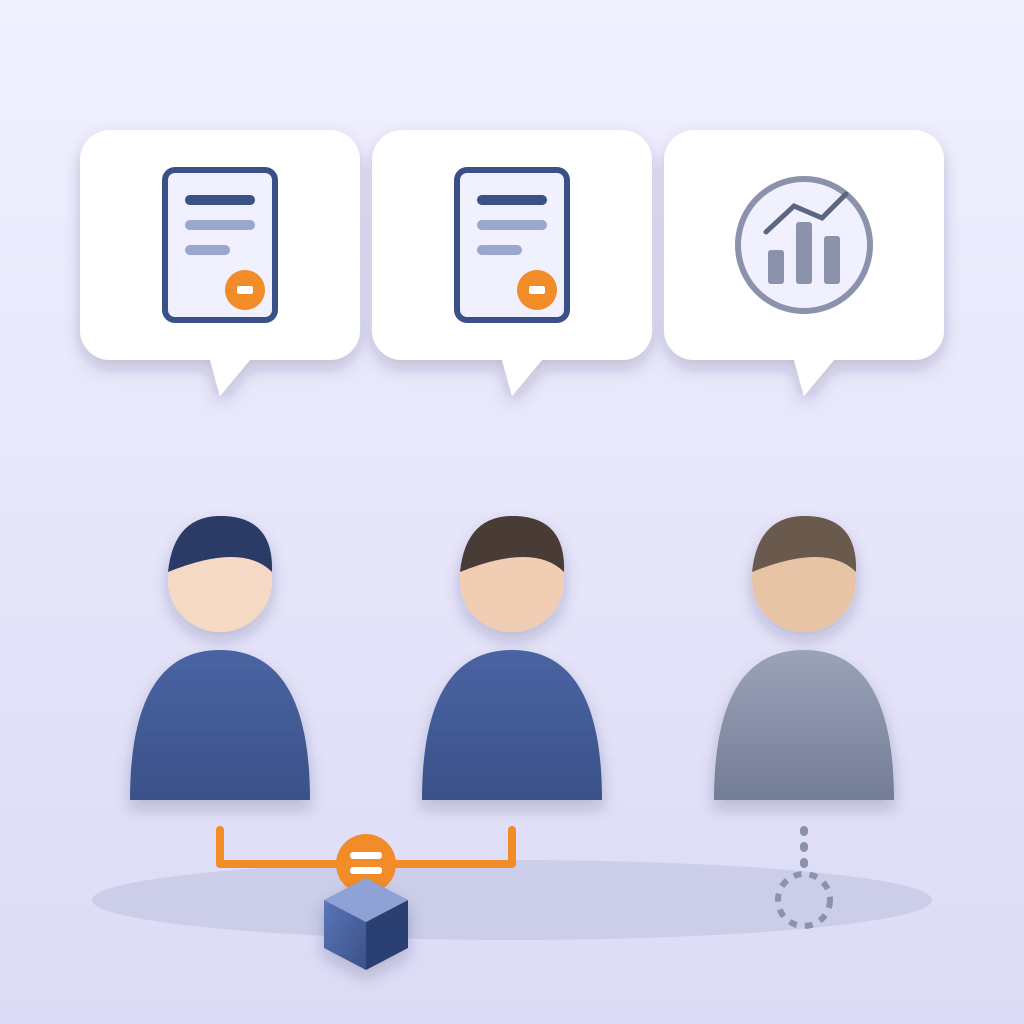
And the answer tells you who to send the next question to. Ask three customers the same question. If two of them name the same paid task, you have a product. If three name different tasks, you have three products and a decision to make. Either way, you are no longer guessing.
Turn the Answer Into a Brief Your AI Worker Can Read
The free kit has a module spec for capturing that answer and turning it into a brief. You do not have to invent the format. Open the PDF to the spec, or point your AI worker at the crawl token and let it fetch the spec itself while it builds. The structure is already there because the same structure ran across four products in four industries: Tutoplus in education, BidLight in construction, Tesla DGF internal automation, and Prigmar in AI marketing.
The brief has a shape. It names the task the customer paid for. It names what they paid. It names what they wished it cost. It names how often the task repeats: weekly, monthly, quarterly. Then it names the first module that replaces the paid task with a subscription. That is the whole brief. One page.
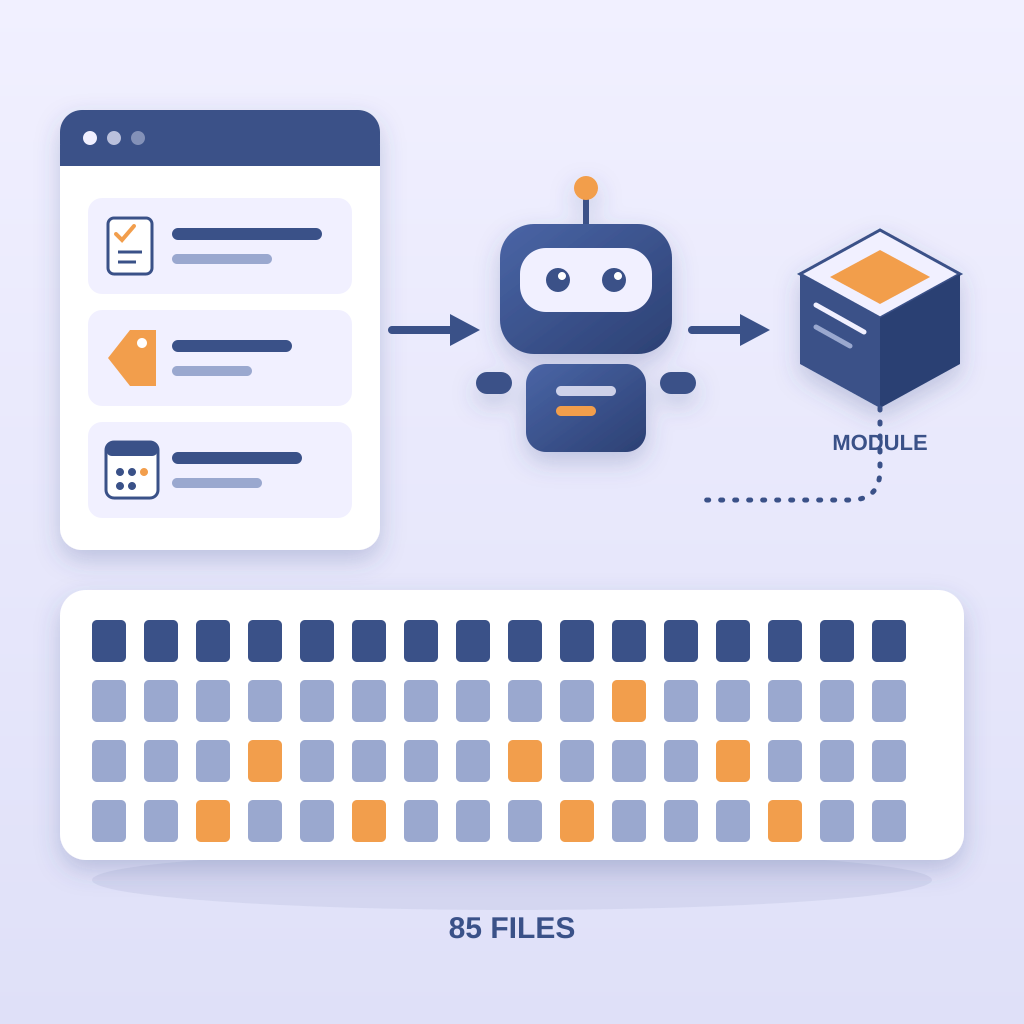
When your AI worker has that page, it does not invent customers. It does not invent a pricing tier. It reads the task, reads the price, reads the cadence, and scaffolds the module that matches. The 85-file MERN reference codebase gives it the nav pattern, the pricing layout, and the machine underneath. Your job is the brief. The AI worker's job is the execution.
This is where internal brand training for employees starts to look different. If you run a small team, or you are the team, the training is the brief. You are teaching the person or the worker doing the build what the customer said. Most training decks skip this. They teach the tool, not the customer. The tool changes. The customer's answer does not.
Write the brief the day the customer answers. Do not wait until you have three answers and a spreadsheet. One answer is enough to start. You can refine the brief when the second answer arrives. You cannot refine a product you already shipped to the wrong shape.
What the Free Kit Gives You and What the $19 PDF Does Not
Free means free. The core kit is a 206-page PDF or a 30-day AI crawl token your worker can fetch while it builds. You pick one. There is no upsell behind a webinar and no course you have to sit through first. The module spec for the customer brief is there, along with 12 module specs and the 85-file reference codebase.
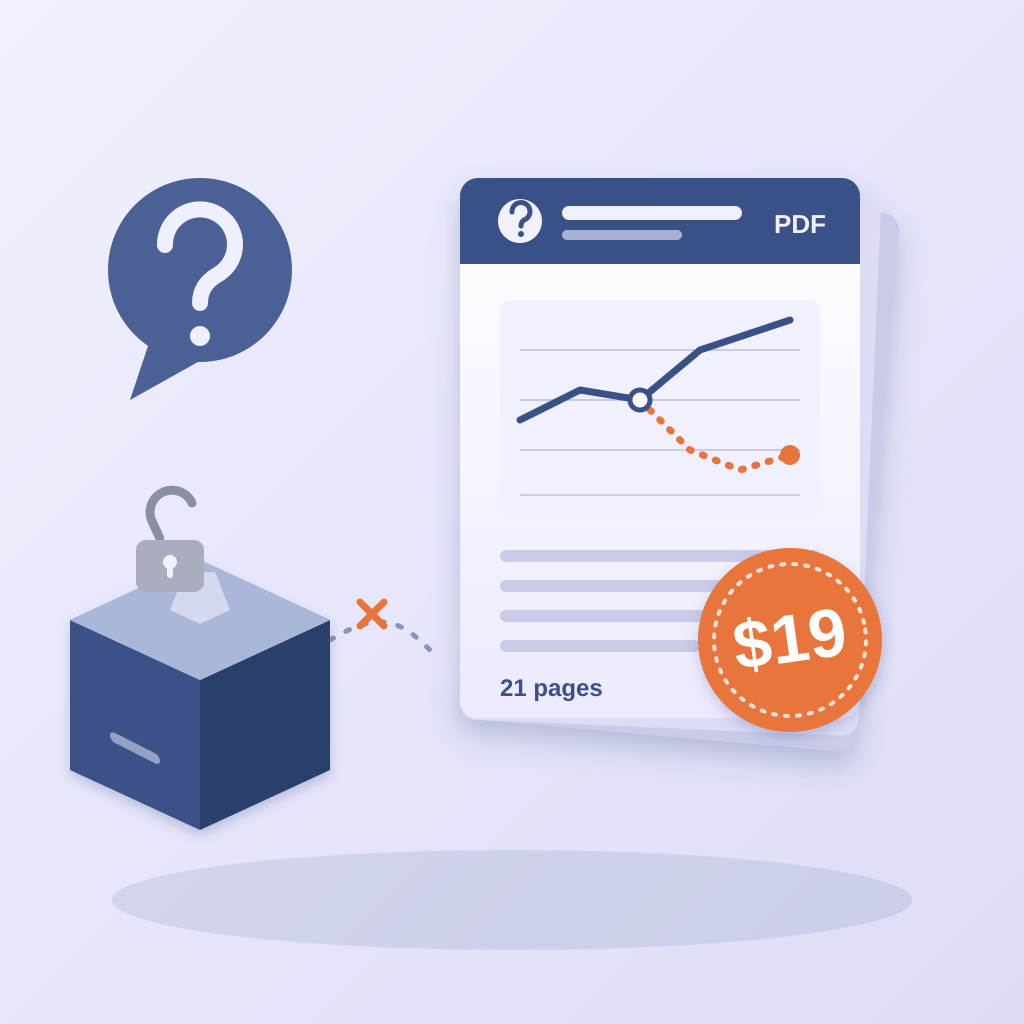
The only paid item is the $19 forecast PDF, and it is optional. It is 21 pages. It answers the question you are afraid to ask: what if this does not work. It does not unlock the kit. It does not give you access to anything you cannot get for free. It is a read, not a gate. If you want it, buy it. If you do not, the free kit still runs.
The 30-day token has a clock on it. That is not a limitation, it is a schedule. Your AI worker can fetch every chapter and every file straight from the server while it builds, and the 30 days is enough for a three-week build with a week to spare. If you do not spend the token, it does not spend itself. That is the cost of waiting, and it is measured in token days, not dollars.
The cost of the guess is the rebuild. The cost of the wait is the token. The cost of the $19 forecast is $19. Name the three, pick which one you want to pay, and move. I have paid all three at different points. The guess was the most expensive by a wide margin.
Send It Today, Build Second
Send the question today. Not tomorrow, not after you finish the pricing page, not after you decide on a name. The customer is already there. The question is one sentence. The answer comes back this week and it is worth more than the first sprint you would have spent guessing.
If you do not have a customer to ask, ask the last person who paid you for anything. A freelance gig. A consulting call. A template you sold once. That person is your first customer and they already told you with their wallet what they value. Now ask them what they wish cost less. The answer is the same shape.

If you are still recording the answer, say so. The brief waits. What does not wait is the token clock and the calendar. Three weeks of build time starts when the brief is done, not when you feel ready. The kit is free. The forecast is $19. The question is free too, and it is the one that decides what gets built.
Ask the question first. Build second.
Mouldi