
The Explanation Tax You Pay Every Time
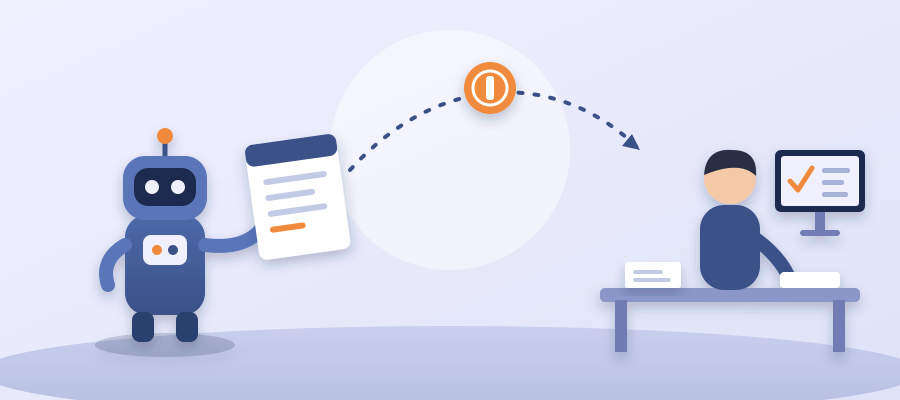
You already know your business. You know the pricing page, the onboarding email, the invoice follow-up. But your AI worker does not. So you spend the first hour of every session explaining what you want. Then you spend the next hour correcting what it misunderstood. That is the explanation tax. It costs you time you could spend building.
I have paid it. For years I typed the same paragraph about my pricing model into chat windows. I described the same nav pattern. I pasted the same folder structure. Each time I started a new thread, the AI started from zero. I was not building. I was teaching.
The tax is not just minutes. It is attention. Every time you re-explain, you pull yourself out of the builder mindset. You become a translator. Translators do not ship products. They mediate. The work stalls while you mediate.
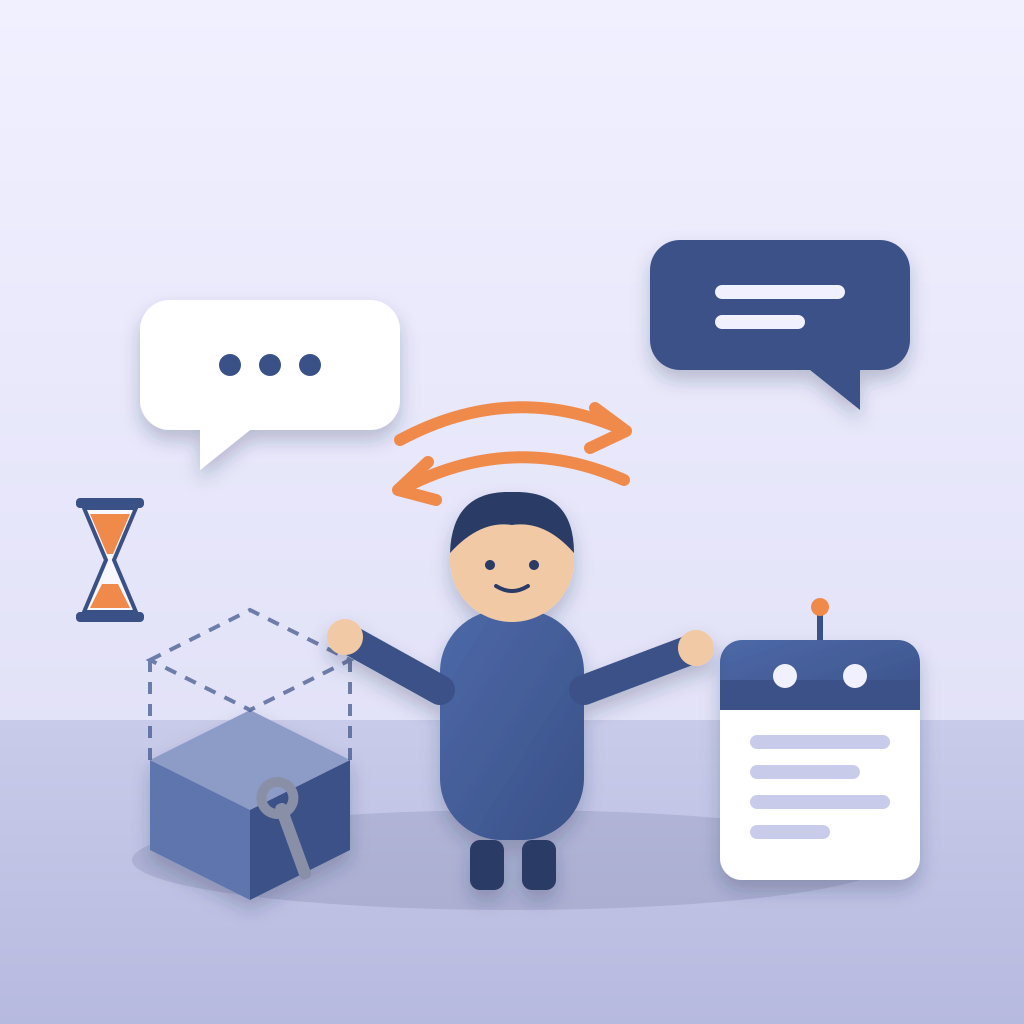
And the tax compounds. The more detailed your business, the more you have to explain. A consultant with three pricing tiers and a follow-up sequence has more to translate than someone selling a single product. The explanation tax hits the people with the most valuable expertise hardest.
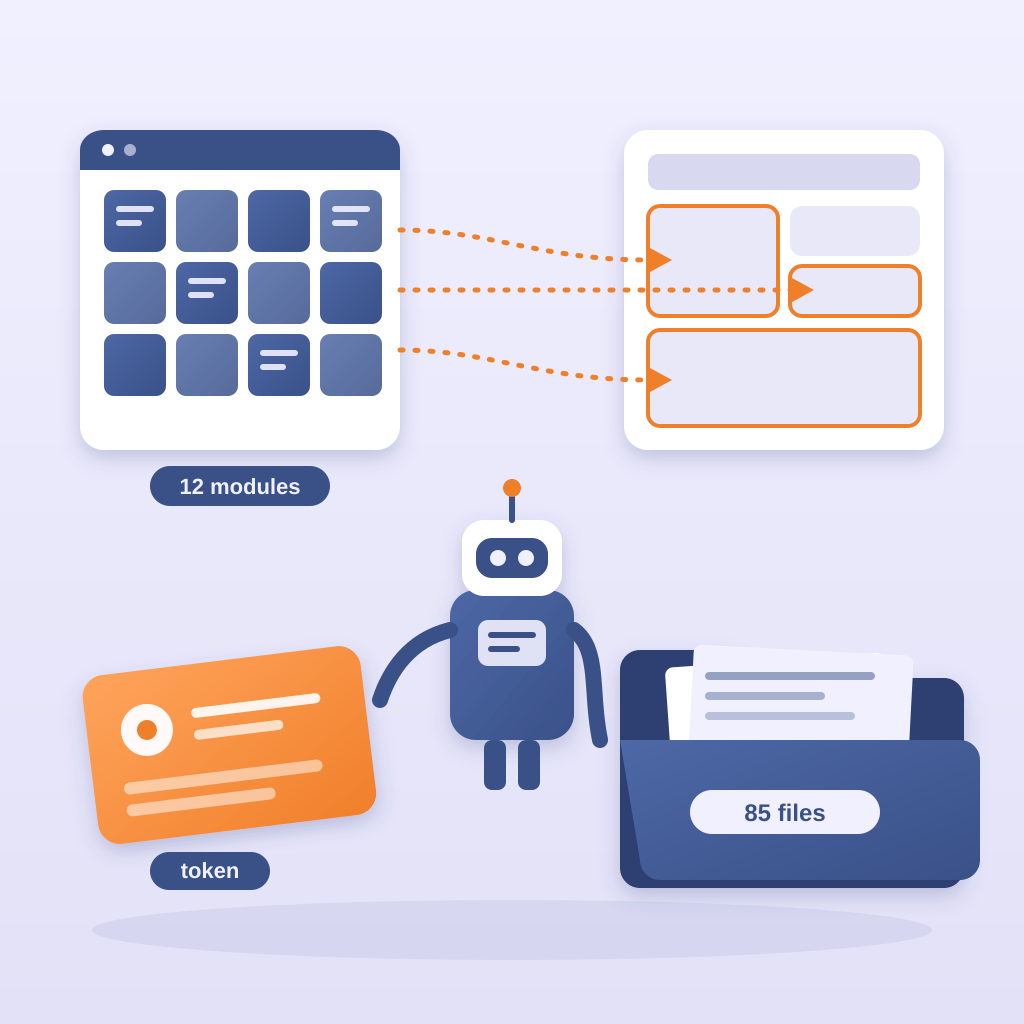
The Free Builder crawl token ends the tax. Your AI worker fetches the brief itself. It reads the 206-page PDF, the 12 module specs, and the 85-file MERN reference codebase directly from the server. You do not translate. You direct.
That is the difference between owning the work and renting out your own explanation. When the AI fetches the brief, you stop being a translator and start being the builder.
What the Token Does
The token is a 30-day key. You give it to your AI worker. The worker uses it to crawl every chapter and file on the Free Builder server. It pulls the scaffold, the module specs, and the reference codebase into its working memory. It does this while you do something else.
I gave my worker the token on a Tuesday morning. I went to a client call. When I came back, the worker had already read the full kit. It had mapped the 12 modules to my project. It had pulled the 85 files into a local folder. It had started the scaffold.
That is not a demo. That is what happens when your AI worker can read the source material without you in the middle. The worker does not need you to summarize. It does not need you to paste code. It fetches the brief and starts.
The token is not a download. You do not save a PDF to your desktop. The worker reads from the server each time it needs a file. That means the kit stays current. It means the worker can fetch the same module spec three times in one build and never get a stale copy.
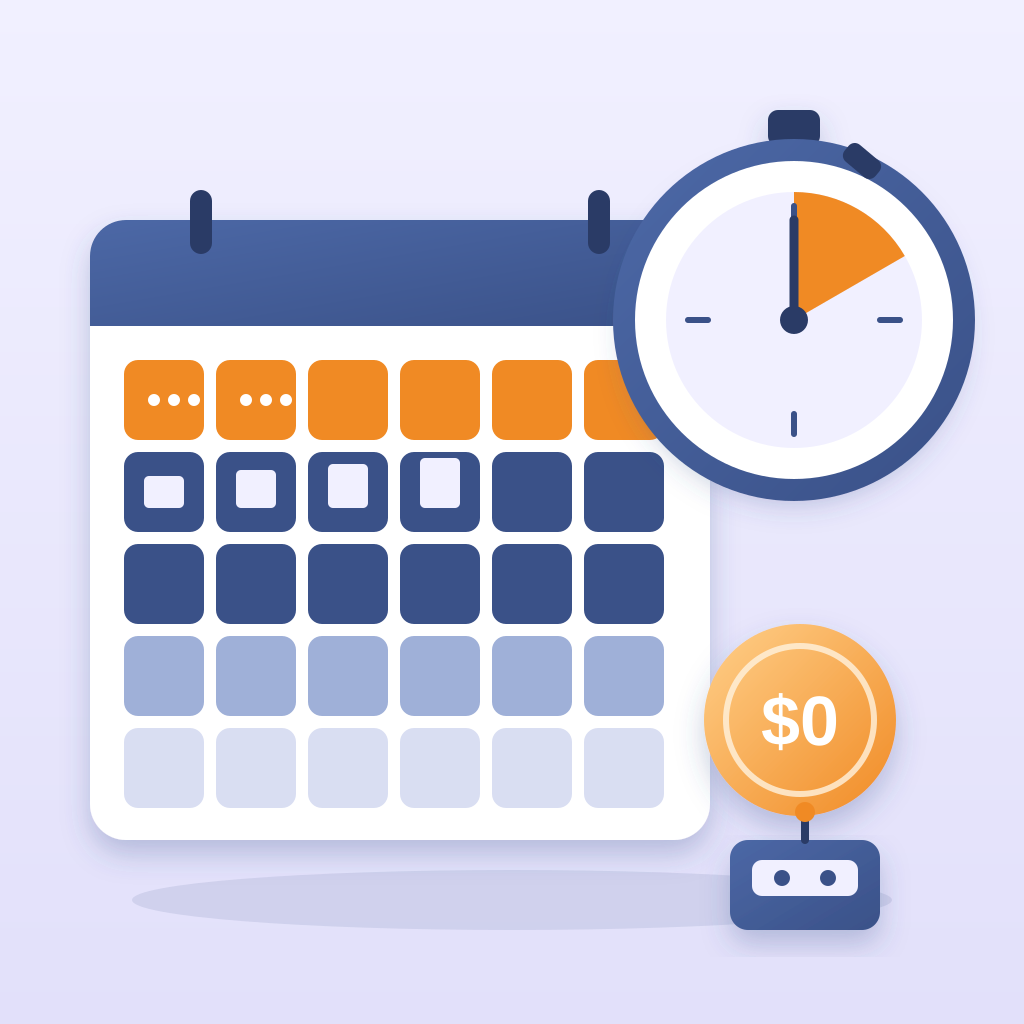
The token lasts 30 days. That is enough to build a SaaS in three weeks of calendar time. You do not need a subscription. You do not need a course. You need one token and a worker that can read.
What is free: the entire kit, the 206 pages, the 12 specs, the 85 files, and the token. What is paid: nothing, unless you want the printed PDF or a done-with-you session later. The build is yours.
The Hours You Get Back
I tracked my own explanation tax for one month. I spent an average of 9 hours a week re-explaining my business to AI tools. That is more than a full workday. It is time I could have spent talking to customers or shipping a feature.
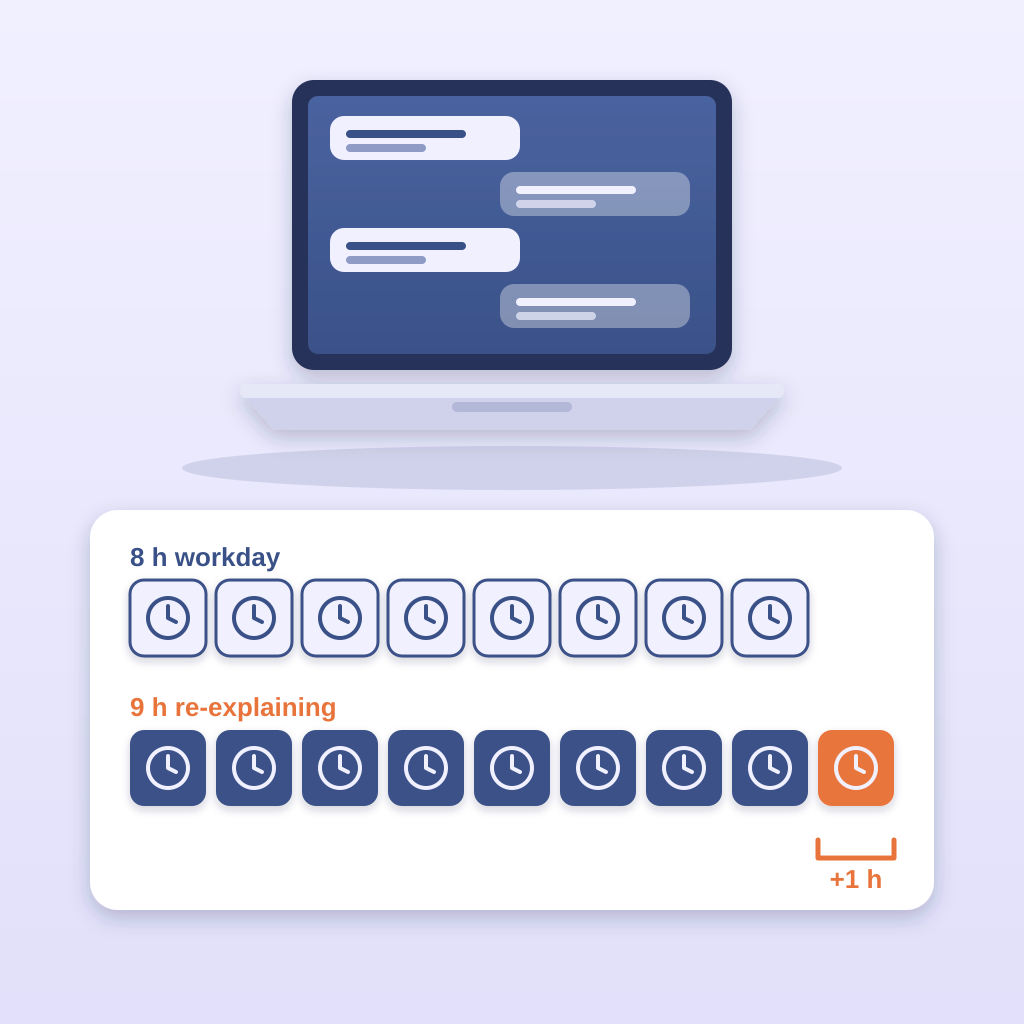
When I switched to the token, that number dropped to under 2 hours. The worker already had the context. I spent my time directing: build this module, change this copy, connect this payment link. I did not spend it teaching.
Seven hours a week is 28 hours a month. That is nearly a full workweek you get back. You can use it to build the next module. You can use it to follow up with a prospect. You can use it to sleep. The point is you choose.
The hours matter because building a SaaS solo is a time game. You have a day job or a client load. You do not have a quarter of runway. You have evenings and weekends. Every hour you do not spend explaining is an hour you spend shipping.
And the hours compound. When your worker fetches the brief, it builds faster. When it builds faster, you see progress sooner. When you see progress, you keep going. The token does not just save time. It keeps the loop moving.
I am not going to give you a fake statistic. I am telling you what I measured on my own builds. Your number will be different. But the direction is the same. Less translation, more work owned.
How to Hand Off the Brief
You do not need a complicated setup. You need three things: the token, an AI worker that can fetch URLs, and a project folder. That is it. No code. No team. No funding.
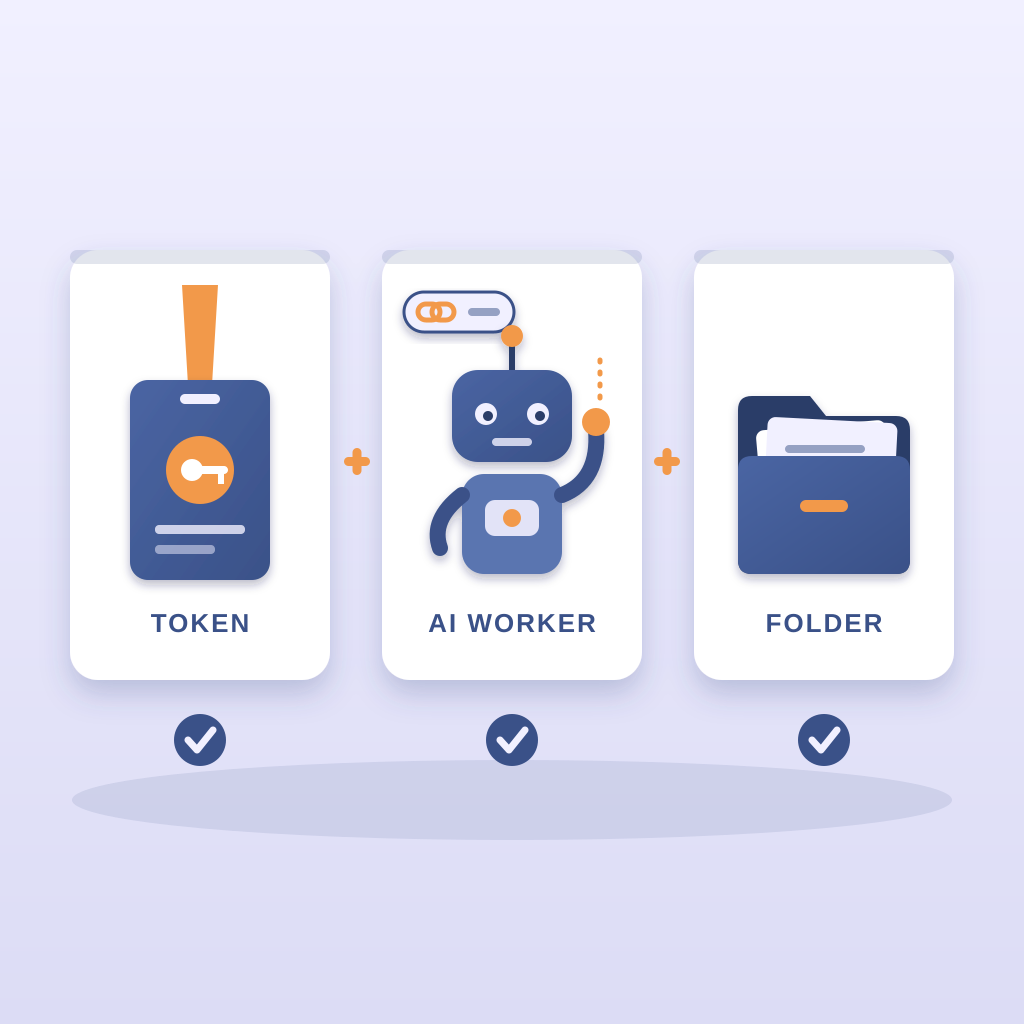
Step one: copy the token from the Free Builder page. Step two: paste it into your AI worker's instructions. Tell the worker to fetch the kit index first. Step three: tell the worker what you want to build. It will pull the relevant modules and files on its own.
The key is to let the worker read before it writes. Do not ask for code on the first message. Ask the worker to fetch the scaffold and the module spec for your first feature. Let it read. Then ask it to build.
I usually give my worker a single sentence: "Fetch the Free Builder kit and build the pricing page module for a consulting subscription." The worker fetches the spec, reads the reference file, and returns a working page. I did not explain my pricing model. The kit already has a pricing layout. The worker adapts it.
If your worker cannot fetch URLs, you can download the PDF and give it the file. That works too. But the token is faster because the worker can fetch only what it needs. It does not load 206 pages into memory when it only needs 12.
The cost of waiting is simple. Every week you spend explaining is a week you do not spend building. The token is free. The worker is already in your toolchain. The only thing you are spending is the 30 days. Start the clock when you are ready to build.
What You Own When the Worker Fetches
When your worker fetches the brief, you own the output. The code is in your folder. The customer list is in your database. The invoice is in your payment processor. You did not rent a platform. You did not buy a course. You directed a worker and kept the result.
That matters because the alternative is renting. Most AI tools keep your work in their interface. You pay monthly to access your own project. You cannot export the full stack. You cannot move to another worker without starting over.
The token model is different. The kit is a set of files. The worker fetches them. The build happens on your machine. You can take the same kit and run it again for a second product. I have done that four times. Tutoplus, BidLight, Tesla DGF, Prigmar. Same kit. Different industries. I own all four builds.
Owning the work also means owning the mistakes. If the worker builds a broken module, you fix it. You do not blame a platform. You do not wait for support. You direct the worker to correct it. That is the deal. You bring the judgment. The worker brings the execution.
The token lasts 30 days. The build lasts longer. When the token expires, your code does not. Your customers do not. Your revenue does not. You keep the work because you owned it from the first fetch.
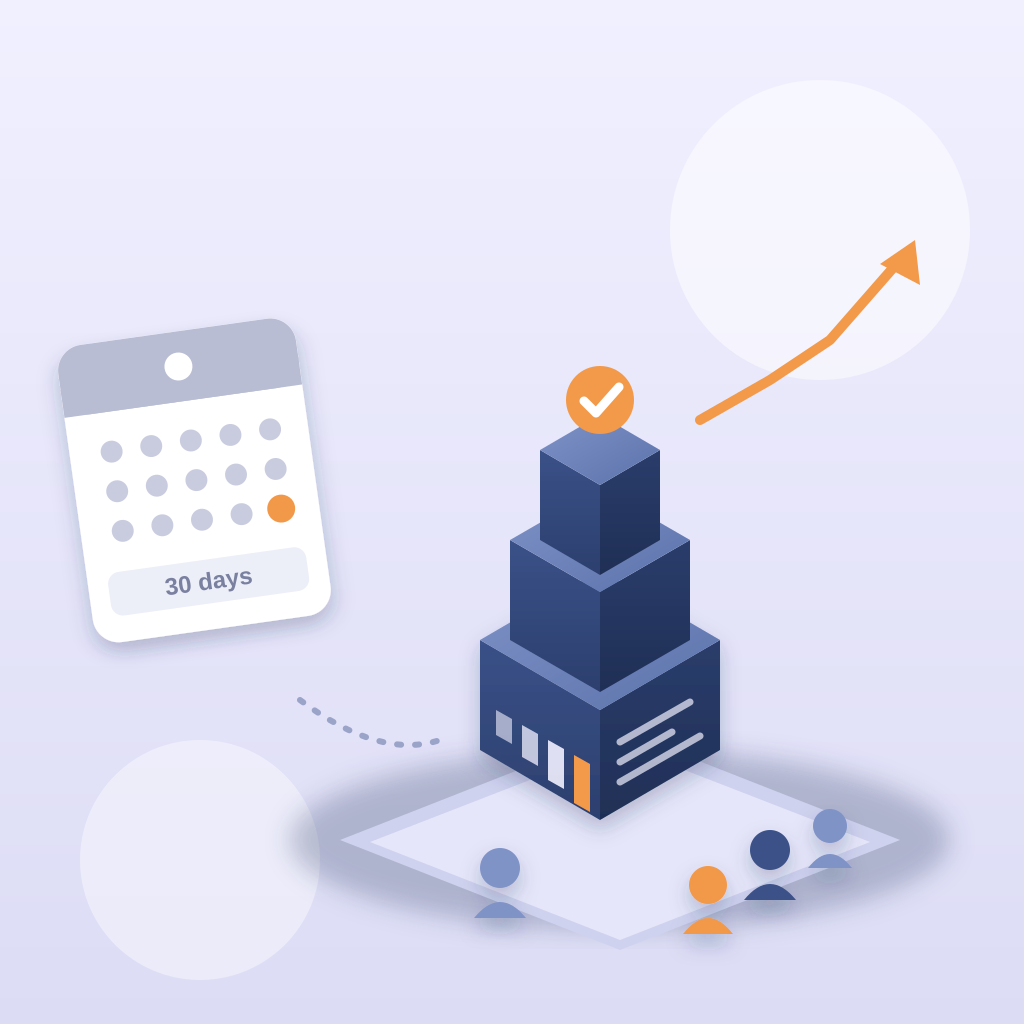
That is the plain trade. Free kit. Free token. Your time saved. Your work owned. No upsell. No lock-in. Just a worker that reads the brief and a builder who directs it.
If you have a skill and a few evenings, you have enough to start. Fetch the token. Hand it to your worker. Build the first module. The rest is repetition.