

The Meeting Tax
I used to spend six hours every week in status meetings. Each one required a prep document, a polite nod to the stakeholders, and a follow-up email that nobody read. The pattern was the same: explain what we built, justify why it took that long, and promise to do better next week. The tax wasn't just the hour in the room. It was the thirty minutes before dreading the questions and the thirty minutes after recovering focus. Multiply that by four weeks, and I was losing nearly a full workday to a ritual that added zero value to the product.
When I switched to building with Free Builder, I realized I didn't have a team to update anymore. My AI worker doesn't need to know why a feature slipped or who is blocking the release. It just executes the next instruction. So I asked myself: who am I actually meeting for? The answer was no one. I was perpetuating a habit that made me feel productive while actually slowing me down.

Here's the math: twenty-five hours a month reclaimed. That's three extra workdays to build features, fix bugs, or, frankly, take a real afternoon off. The trade-off is simple. You give up the illusion of control that a status meeting provides and gain actual progress. The bot doesn't need your permission to keep going. It posts what it built, what it's building next, and any blockers it encounters. That’s the entire update. No spin, no excuses, no fluff.
Most founders keep meetings because they think visibility equals accountability. But visibility is a byproduct of progress, not a substitute for it. When your AI worker is shipping code, writing copy, or running tests every hour, the status becomes obvious. You don't need a meeting to know where things stand. You need a dashboard. Free Builder gives you that dashboard in the form of a Slack bot or daily email. You see the build, you see the next step, and you see the blocker. Period.

I fired my bot from attending meetings because I realized the bot was doing the real work anyway. The meeting was just a performance. Now I spend that time on strategy, customer conversations, or, my favorite, nothing at all. The bot doesn't care. It just keeps building. And that's the point: your time is too valuable to spend on meetings that only exist because you used to have a team. You don't anymore. Act like it.
How to Replace Your Status Meetings with a Bot
Replacing your meetings starts with a mindset shift: stop treating your AI worker like a junior developer you need to babysit. In Free Builder, you define the product roadmap, write the instructions, and let the bot execute. The bot doesn't need a daily standup. It needs a clear goal and a way to report progress. Here's the exact setup I use. First, I create a task list in Free Builder with the features I want built this week. Each task has a description, acceptance criteria, and a priority. The bot picks the highest-priority item, works until it hits a blocker or finishes, and then moves to the next.
Second, I configure the Slack bot to post a daily update at 9 AM. The update includes: what the bot built yesterday, what it's building today, and any blockers that require human input. That's it. No graphs, no metrics, no slides. If there's a blocker, I see it in seconds and can unblock it with a single message. If there's no blocker, I don't need to reply. The bot assumes silence means full speed ahead. This has two effects. I stop interrupting the bot's flow with status requests, and the bot stops interrupting me with progress checks.
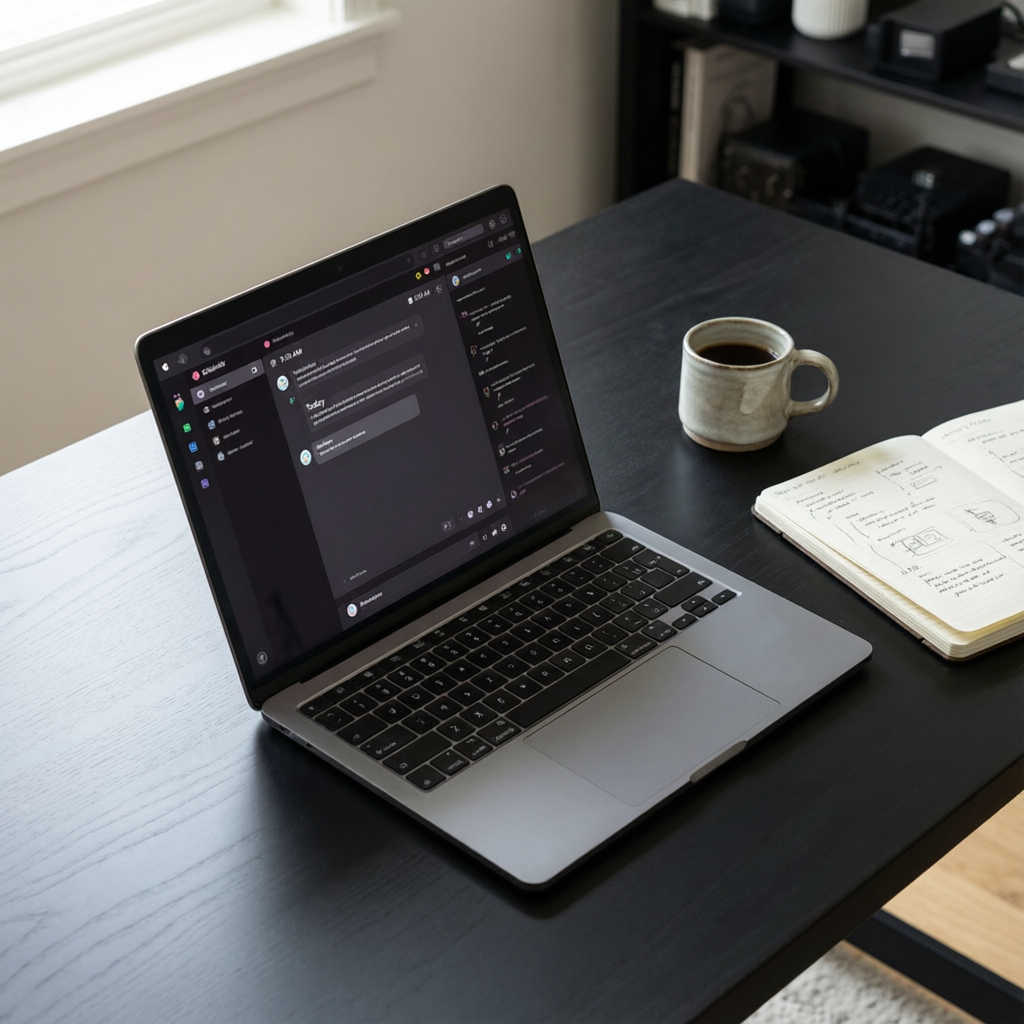
Third, I set a weekly review on my calendar, fifteen minutes, not an hour. I scan the week's build log, adjust priorities if the market shifted, and write instructions for the next week. That fifteen minutes replaces every meeting I used to have about what the team should build. It's asynchronous, focused, and produces actual output instead of talk. The key is that the bot can't schedule a meeting. It can only ask a question. And those questions are rare once the system is tuned, usually about edge cases or ambiguous requirements.
For example, last month I wanted to add a two-factor authentication feature. The bot built the entire flow in three days, posting updates each morning. On day four, it flagged a blocker: the SMS provider had a rate limit I hadn't accounted for. I saw the message, checked the docs, and replied with a workaround. The bot implemented it and continued. Total human time spent. Fifteen minutes. Under the old meeting model, I would have spent two hours in sync meetings discussing the rate limit before a developer even started coding.
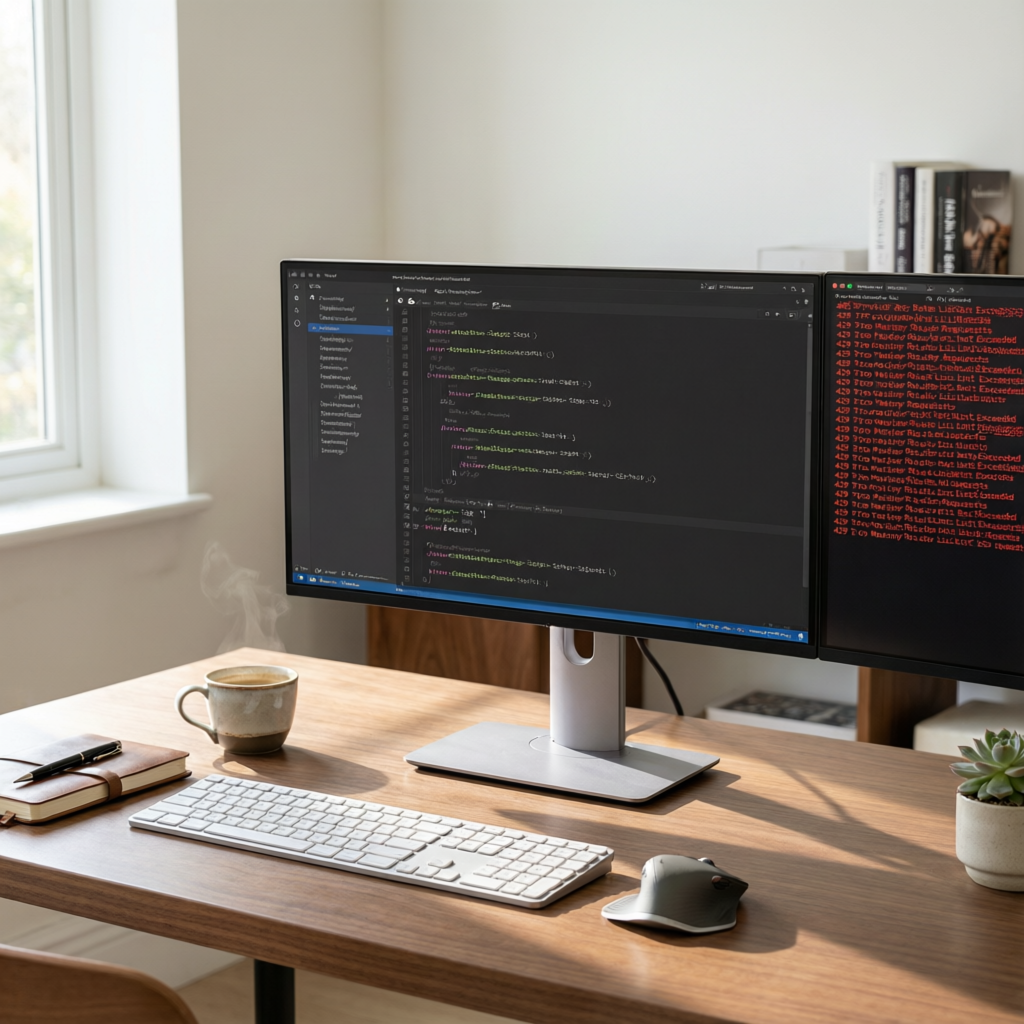
This system works because it respects a simple truth: building is more important than talking about building. Every minute you spend in a status meeting is a minute your bot could have used to ship a feature. The bot doesn't need your validation to keep working. It needs clear instructions and a way to tell you when it's stuck. Free Builder provides both. The result is that your bot replaces not just the meeting but the entire overhead of coordination, reporting, and justification that meetings create.
Why You Never Have to Justify Your Time Again
The deepest shift happens when you realize that justifying your time disappears entirely when you replace meetings with a bot. In a traditional team, every meeting is a small audition: you prove you're working hard, you show progress, you explain delays. That's because the meeting is the primary way managers verify that work is happening. But when your AI worker posts exactly what it built, the verification is baked into the output. You don't need to perform. The bot's update is the evidence.
No prep, no follow-up, no faking busy. I used to spend an hour every Monday preparing a status deck. That was an hour of formatting tables and writing bullet points that were outdated by Tuesday. Now, the bot generates its own update. I copy-paste it into the Slack channel for stakeholders (if any) or just let it sit. The stakeholders don't ask for more detail because the detail is already there: 'Built user authentication flow. Next. Implement password reset. No blockers.' That's the entire update. If they want more, they can ask the bot.

The deeper benefit is psychological. When you stop justifying your time, you stop second-guessing your decisions. Every meeting you attend is an implicit contract that you owe someone an explanation. That contract costs energy. Even when the meeting is friendly, you're spending cognitive load framing your work as acceptable. With a bot, there is no framing. The work is just the work. The bot builds, it reports, it moves on. You don't have to defend the pace because the pace is what it is. And since the bot doesn't care about your feelings, you stop caring about appearances.
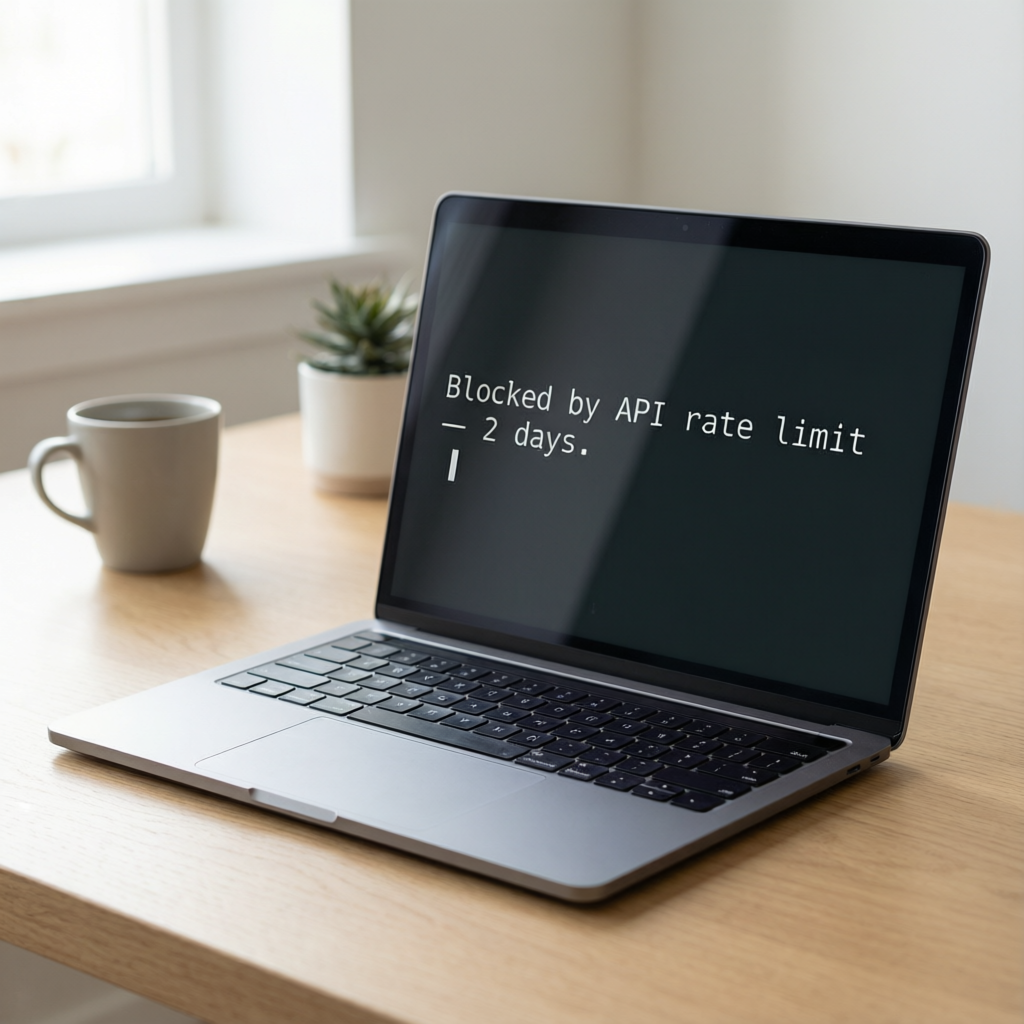
I've had stakeholders ask why a feature took longer than expected. I show them the bot's log: 'Blocked by API rate limit, 2 days.' That's the answer. No story, no excuse, no promise to do better. The bot's log is factual and final. It frees me from the emotional labor of managing perceptions. I don't have to say 'we're working hard' because the bot is working constantly. I don't have to say 'we'll speed up' because the bot can't go faster than its instructions allow. If the market needs it faster, I adjust the instructions. Not the rhetoric.
In the end, replacing meetings with a bot isn't just about efficiency. It's about honesty. You stop pretending that talk is progress. You let the build speak for itself. And you get your calendar back, twenty-five hours a month that you can spend on what actually matters: building something people want, talking to customers, or resting so you can think clearly. The bot doesn't need a meeting. It needs a task. Give it one, and watch your time become yours again.