

The $500 Report That Costs You a Day
You deliver a report. The customer reads it, nods, and pays. Next month, they ask for another one. Same questions, same structure, same recommendations. You spend a day rebuilding it. That's not a report. That's a process you're renting out, one invoice at a time.
The work feels custom, but it isn't. You pull the same data, run the same analysis, and write the same conclusions. The customer's name changes. The date changes. The numbers shift a little. But the thinking behind it is identical. You've done this exact brain work dozens of times.
A competitor keyword research report is a classic example. You analyze their rankings, find gaps, and suggest targets. The customer pays you $500. Next month, they want an update. You do it again. And again. Each time, you start from scratch, remembering how you structured it last time.
That repetition is your signal. When you catch yourself doing the same thing for the third time, you're not providing a service. You're performing a job that a system could do. The customer doesn't care if it takes you a day or a minute. They care about the answer.

Do the math. You're spending a full day on $500. That's $62.50 an hour if you work eight hours. You could be building something once that pays you every month. But you're stuck in the cycle because the customer keeps asking.
Here's the shift. You keep the report, but you productize the process. You build the system once. Your AI worker runs it. The customer gets the same report on the first of every month, but now it's a subscription. They pay automatically. You don't lift a finger.
You own the system. You keep the customer. You keep the revenue. That's the Free Builder way. No team. No code. Just your judgment, turned into a product.
From One-Time Invoice to Monthly Revenue
A one-time $500 invoice feels good for a week. A $200 monthly subscription pays you $2,400 a year. That's the difference between selling a report and selling an outcome. The customer doesn't want a one-time snapshot. They want continuous visibility into their competitor landscape.
You're not selling them less. You're selling them more. A monthly report means they never lose sight of their competition. They see shifts in real time. They catch a competitor targeting a fresh keyword before it's a problem. That's worth more than a single static PDF.
The customer already trusts you. They've seen your work. They know you deliver. So the natural next step isn't to hope they ask again. It's to offer them a subscription that guarantees they get the report every month. You solve their recurring need before they articulate it.
Think about the math. If you have ten customers paying $100 a month, that's $1,000 in recurring revenue. If you have fifty customers, that's $5,000. You don't need another customer every week. You need to convert the ones you already have into subscriptions.
The hardest part is the mindset shift. You've been trained to trade hours for dollars. A subscription breaks that cycle. You work once, and the system keeps delivering. The customer is happy because they get the report without asking. You're happy because you don't have to rebuild it.

Your AI worker can crawl your knowledge base, the 206-page PDF or a 30-day AI crawl token, and learn exactly how you build that report. It can pull the same data sources you rely on, apply your logic, and generate the report in minutes. You review it, add your judgment, and send it. The system runs on its own.
That's the productization. You're no longer renting out your process. You're selling a subscription to your process. The customer pays for the outcome, and you own the machinery. That's a business, not a job.
The System: Your Judgment, Built Once
To turn that report into a subscription, you need a system. Not software. Not a team. A system that captures your judgment and lets your AI worker execute it. You build the rules once, and the system follows them every time.
Start by documenting how you create the report. What data do you pull? What metrics matter? How do you rank competitors? What recommendations do you give? Write it down. Turn it into a checklist or a set of instructions. That's the core of your system.
The Free Builder kit helps you do this. It's the 206-page PDF, or a 30-day AI crawl token, that walks you through productizing your skills. Your AI worker can crawl it directly and learn the framework. You don't need to read every page. Your AI worker can absorb it and guide you.
Let's say you sell a competitor keyword research report to your customers. You analyze their rankings, find gaps, and suggest targets. The system would define how you do that. It might include steps like fetching search volume data, analyzing top-ranking pages for each keyword, and comparing your customer's domain authority against competitors.
Your AI worker can automate the data pulling and the basic analysis. It can generate a draft report that follows your structure. You review it, add your strategic insight, and deliver it. The repetitive parts disappear. You focus on the judgment calls that matter.
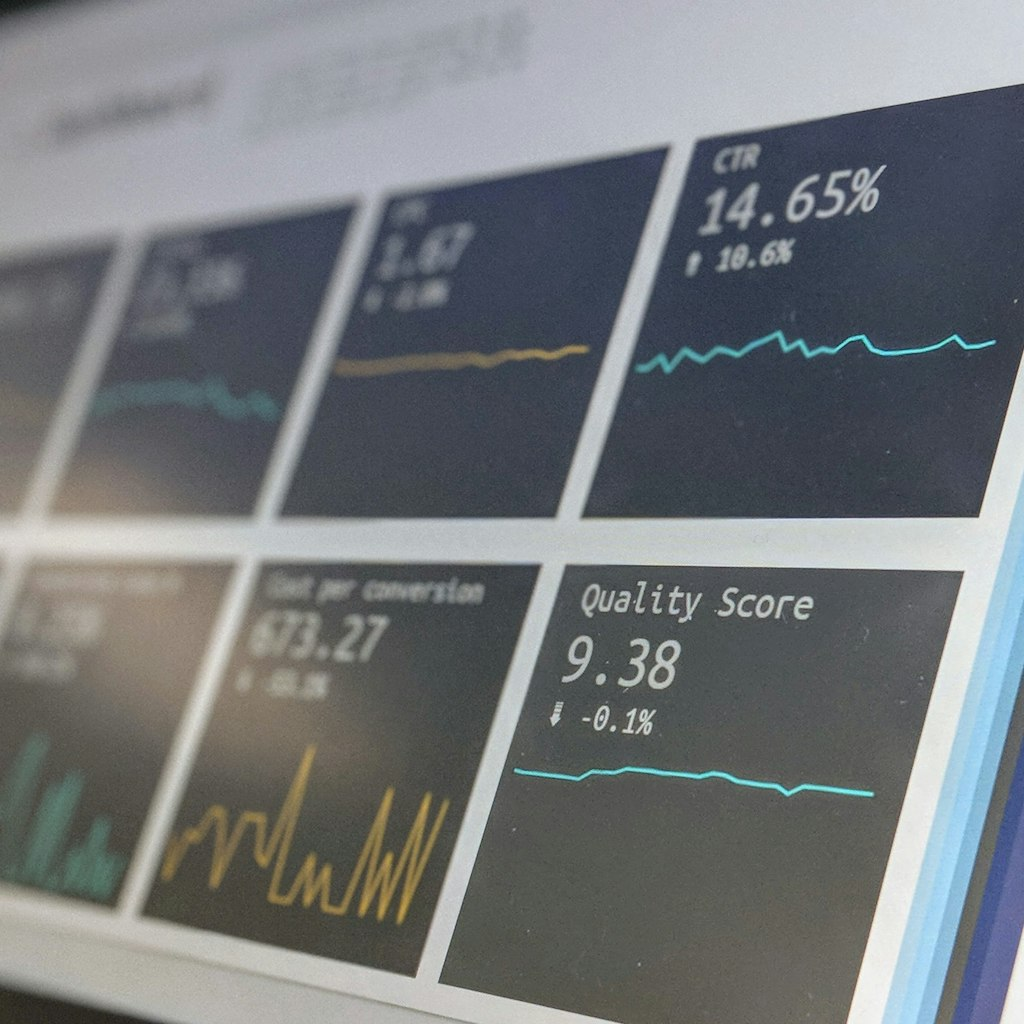
That's how you build once. You spend a few hours documenting your process. You feed it to your AI worker. You test it with a few customers. Then you flip the switch. The system runs, and you collect the subscription fees.
You don't need to know how to code. You don't need to hire developers. Free Builder is built for people who want to turn what they know into a product. No engineering degree required.
You own the system. It's not tied to you. If you take a vacation, the report still goes out. If you take on more customers, the system scales. You're not the bottleneck anymore. The product grows without your time.
Customer Benefits Drive Retention
Why would a customer agree to a subscription? Because it solves their problem better than a one-time report. They don't have to remember to ask you. They don't have to wonder when the next update comes. They get the report on schedule, automatically. That's reliability.
A competitor keyword research report is more valuable when it's fresh. Competitor rankings change. Keywords appear that weren't there last month. A monthly subscription ensures your customer is never blindsided by a shift. They can act fast. That's worth the monthly fee.
The subscription also builds a relationship. They're not hiring you for one job. They're partnering with you for ongoing insight. That trust leads to upsells. Maybe they ask for a deeper analysis. Maybe they refer you to a colleague. The subscription becomes the foundation.
You need to sell the outcome, not the process. Don't pitch a report. Pitch a window into your competitors' moves. Pitch the ability to adapt before your rivals do. The customer pays for the peace of mind of staying ahead, not just a document.
You also need to set pricing that makes sense for both of you. A one-time report might be $500. A monthly subscription might be $200, or even $300, depending on the depth. The customer gets more value over a year. You get predictable revenue.

The key is to offer a trial or a pilot. Let them see the first monthly report for free or at a discount. Once they see the value, they'll stay. Retention will be high because the report becomes part of their workflow.
Your AI worker can also help you personalize each report for the customer. It can tailor the language, highlight specific competitors, and flag urgent opportunities. The report feels custom. The system runs it. Both sides win.
Pricing and Packaging the Subscription
Pricing a subscription is different from pricing a one-off. You need to find a number that's fair to the customer and sustainable for you. Start with the value they get. If a competitor keyword research report saves them from a costly mistake, it's worth more than $500. But you need to make the subscription feel like a no-brainer.
A common model is to price a subscription at 30-50% of the one-time fee per month. If your report sells for $500, a $150-$200 monthly subscription is reasonable. Over a year, that's $1,800-$2,400. That's more than the one-off price, and the customer gets more updates.
You can also create tiers. Offer a basic monthly report for $100, a premium with more data for $250, and a VIP with weekly updates for $500. Different customers have different needs. Tiers let you capture more value.
Your AI worker can handle multiple tiers without extra work. The system adjusts the depth and frequency based on the plan. You don't have to manually customize each one. The product scales.
Don't forget about annual plans. Offer a 10-20% discount if they pay for a year upfront. That gives you cash in the bank and reduces churn. The customer feels they're getting a deal, and you get predictable revenue.

Include a free trial or a money-back guarantee. Let them try it for 30 days. If they don't see value, they cancel. Most will stay because the report keeps helping them. The risk to you is minimal.
You're not just selling a report. You're selling a relationship. The subscription isn't a transaction. It's a partnership. Your AI worker helps you deliver value every month, and the customer keeps paying because they trust you.
Start Small, Scale Fast
You don't need to roll out a subscription to all your customers at once. Start with your most engaged customer. The one who always asks for a report. Pitch them the subscription as a way to get their report without having to ask. Show them the value.
Treat that first subscription as a test. See how the system works. See what your AI worker can handle. You'll find opportunities to tweak. Maybe you need to adjust the data sources. Maybe you need to add a section you missed. That's all fine.
The Free Builder kit is free. It's the full 206-page PDF or a 30-day AI crawl token. Your AI worker can crawl it and build your SaaS around your skill. You'll learn how to move from service to product without code or team.
Once you've got one subscription flowing, add more. Convert each customer as their report comes up for renewal. Within a few months, you could have a dozen subscriptions. That's $2,000 a month in recurring revenue, with less work than before.
Scaling is easier because the system is built. You're not reinventing the wheel every time. You're just adding customers. Your AI worker can handle the increased workload without breaking a sweat.
You might even productize other reports you create. If you have other recurring services, apply the same logic. Turn them into subscriptions. Build a portfolio of products that all run on your judgment, executed by AI workers.
You keep every customer and every dollar. No revenue share. No middleman. Just your skill, productized. You're not a freelancer anymore. You're a SaaS owner.
The customer's win is the product's reason to exist. They get ongoing insight. You get ongoing revenue. That's a fair trade. You built it in days, not months.
Start now. Free Builder shows you how. Build the system once, and let it run.