You spent eight years learning to read a P&L. Your AI worker reads one in eight seconds. That gap is not a threat. It's your product. When a customer sends a messy spreadsheet, you scan it, spot the pattern, and know which number matters. That takes years of context. Your AI worker does the scan instantly, but it doesn't know which number matters without you. That's where your judgment enters.
Speed used to be a luxury. A faster analyst could see more deals, serve more customers, bill more hours. But hours are capped at 24. Speed only squeezed more into those hours. Now speed is exponential. An AI worker reviews a hundred P&Ls while you sip coffee. You're no longer the bottleneck. The bottleneck is your ability to delegate the right task.
This changes what you sell. You don't sell time. You sell the outcome: a clear answer, a prioritized plan, a decision made. The customer doesn't care about minutes spent. They care that the answer is right and it came fast. Pair your judgment with AI's speed, and you deliver both.
Take a marketing consultant who spent 10 hours a month auditing content performance. That was 10 billable hours. He built an AI worker that pulls the same data and creates the report in 15 minutes. He reviews, adds nuance, sends. The customer gets the same insight, faster and cheaper. The consultant freed 9.5 hours to serve more customers or build a product.
That's the model. Stop selling hours. Sell outcomes at a speed competitors can't match. AI costs pennies per task, so your margin improves. The P&L you once read manually becomes a product you sell to a thousand customers at once, with your judgment embedded once.
From Judgment to Rulebook: Writing Down What You Know
The only thing between you and a scalable product is explaining what you do. Not just the steps, the judgment. What clues push you toward one recommendation over another? What red flag makes you pause? What patterns tell you a customer is about to churn? Those are rules. You follow them without thinking. AI can follow them too, if you write them down.
Start with decisions you make repeatedly. When you review a landing page, what are the top five things you look for? The headline's clarity, the call-to-action's strength, page speed? Write them as binary checks: 'If headline is vague, flag for rewrite.' 'If call-to-action isn't above the fold, flag for placement.' That's the start of a rulebook.
Your AI worker doesn't need a complex algorithm. It needs your rules, examples, and feedback loop. Feed it ten examples of good versus bad P&Ls. Tell it what changed your mind. Over time, it mimics your judgment. Not guessing, applying your patterns.
That's how you build a product like an FAQ. Stop answering the same question 40 times. Write the answer once, let AI adapt it to each customer's context. The judgment lives in the framework. The speed lives in the delivery.
Your rulebook is your edge. Anyone can buy AI. They don't have your rules. They don't have your years of seeing what works and fails. That's proprietary. That's why your AI worker beats a generic one. You're not replaced. You're amplified.
Pricing the Outcome, Not the Hours
Once you have the rulebook and AI worker, you face pricing. The old model charged by the hour because value was tied to time. The new model charges for the outcome because that's where the value sits. The customer doesn't buy your 20 minutes. They buy the confidence to decide.
This is practical. Launch a SaaS that charges $99 per month for analyzing marketing ROI. That's a better deal than a $500 retainer that answers in 48 hours. Your cost to deliver is near zero. Your margin explodes.
How do you find the outcome to price? Look at the questions you answer most. What recurring themes show up on customer calls? That's your product seed. A branding expert might hear 'what free tool should I use?' repeatedly. Build a guided template that evaluates tools based on brand needs.
Pricing is also trust. When you price on outcomes, you say 'I'm confident I can deliver.' That's bold. But your judgment and AI worker back it up. You have the pattern. They have the speed. The promise holds.
Real numbers help. If you billed $200 an hour and took 10 hours to audit a P&L, that's a $2,000 service. Add a subscription for $199 a month. You have a recurring customer who stays for years. That's the math of a solo SaaS.
One Person Plus AI: Scaling Without a Team
The biggest fear is you can't serve more customers without hiring. You imagine a support team, a sales rep, a delivery manager. That's old. New is one plus AI. Your AI worker handles the repetitive, administrative, initial analysis. You handle judgment, strategy, relationships.
Think about the customer journey. A lead lands on your site. They ask a question. Your AI worker answers, qualifies, and does first-pass analysis from your rulebook. You step in when the decision matters or the situation is unique. That's scaling without headcount.
This extends beyond delivery. Use AI to field LinkedIn questions, turning them into leads. Automate content marketing, drafting posts in your voice. You're still the editor, the strategist, the one who says yes or no.
Stop treating AI as a tool for automating old tasks. Treat it as an employee you direct. It doesn't have your judgment, but it has your rules. Give it a task, it executes. That's why one person plus AI can run a company: sales, delivery, support, marketing.
This also handles personal branding. Your brand was built on expertise. Now that expertise lives in your product. The brand becomes the product, and the product builds its own reputation. That's a scalable personal brand.
The Leap: From Selling Hours to Owning a Product
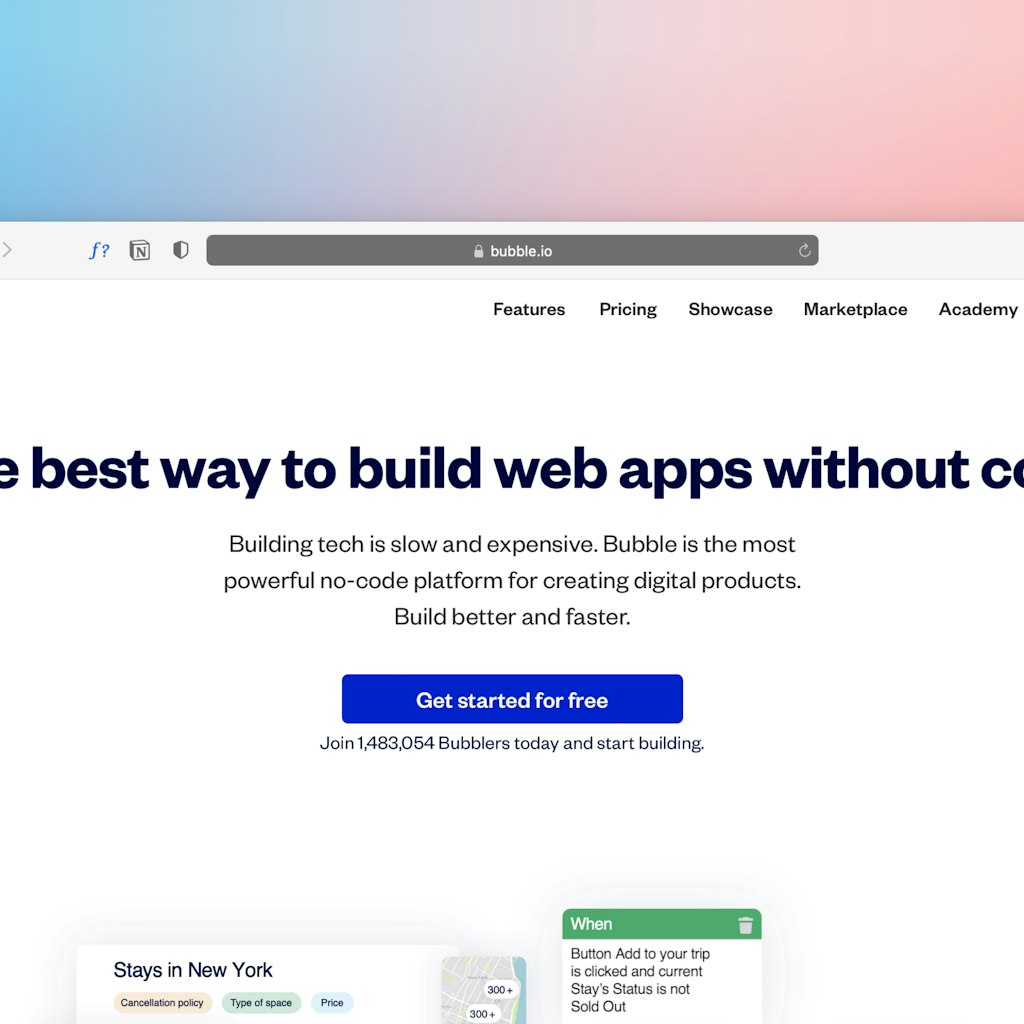
The hardest part isn't building. It's shifting from 'I work for customers' to 'I own a product.' With Free Builder, you're creating a real asset, not a fantasy. An asset that sells your judgment at a price customers can afford, at a speed they demand.
Start by inventorying your judgment. Write down every question you answer more than once. Every problem you solve repeatedly. Those are seeds. Pick one. Build your rulebook. Use the framework and AI worker to turn it into a SaaS.
You'll be tempted to keep selling time because it's familiar. But time is finite. Judgment, encoded into a product, is infinite. Every sale is a copy of your knowledge, delivered at speed.
Remember the key insight: the customer wins with an affordable, trustworthy result. You win by building something that works while you sleep, without sacrificing independence. That's not hype. That's math.
So ask: what judgment do you have that others need? How fast can your AI worker deliver it? Those two answers are your next business.