
The Number You Already Know
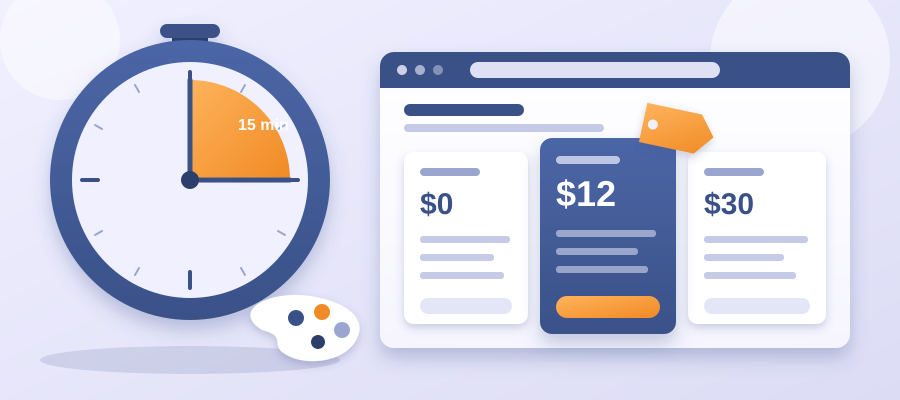
You know your price. You have quoted it in a message, said it out loud on a call, and felt the small pause after you typed it. That pause is the whole exercise. Pricing is a decision, not a build step, and you can finish it tonight with a note app and 15 minutes. No code involved. No layout involved. Just a number on a line.
Here is the drill. Open a note. Write the number you would charge a friend for the thing you already do well. Not the friend discount, the honest number. Write it in one line. If you hesitate, write the range and pick the middle. That is your first price. It is allowed to be wrong later.
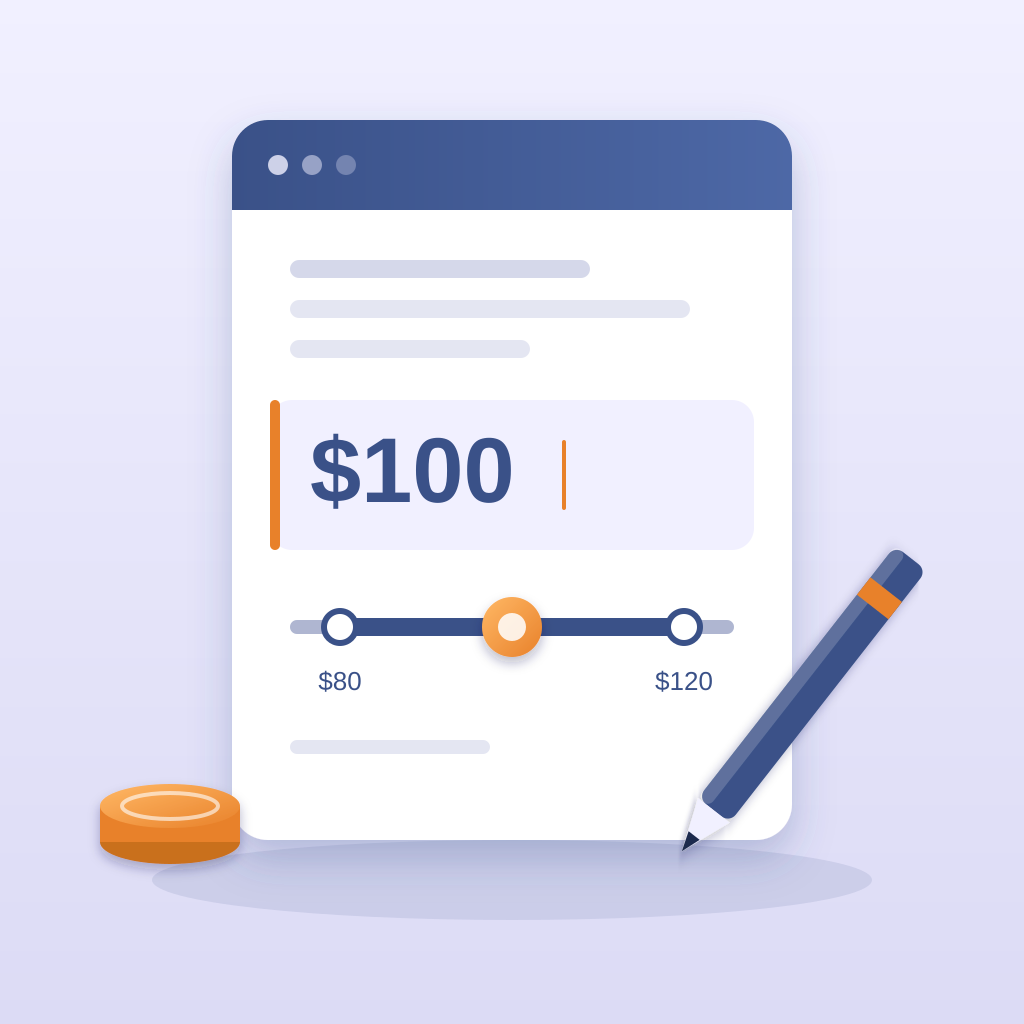
Now write one sentence under it: what they get for that number. A portrait, a template pack, a monthly design retainer, a set of lesson plans. One sentence. If it takes two, you are describing two products. Split them in the note and price each one.
That is the 15 minutes. Price plus promise. Everything else on a pricing page is formatting. The number, the billing period, and one line of what it includes. Your AI worker can format that in minutes because it is copying a structure that already shipped four times.
The reason this matters for someone running a studio or a craft practice is that the pricing page is the moment your work stops being a favor and starts being a product. If you are searching for the best free website builder for artists, notice that the tool is not the hard part. The number is. Get the number out of your head and into text tonight and the rest is mechanical.
If you truly do not know the number yet, say so out loud and pick a starting figure anyway. A price you can change beats a blank page you keep meaning to fill. The only wrong move is leaving it empty until the build finishes.
What Goes on the Page
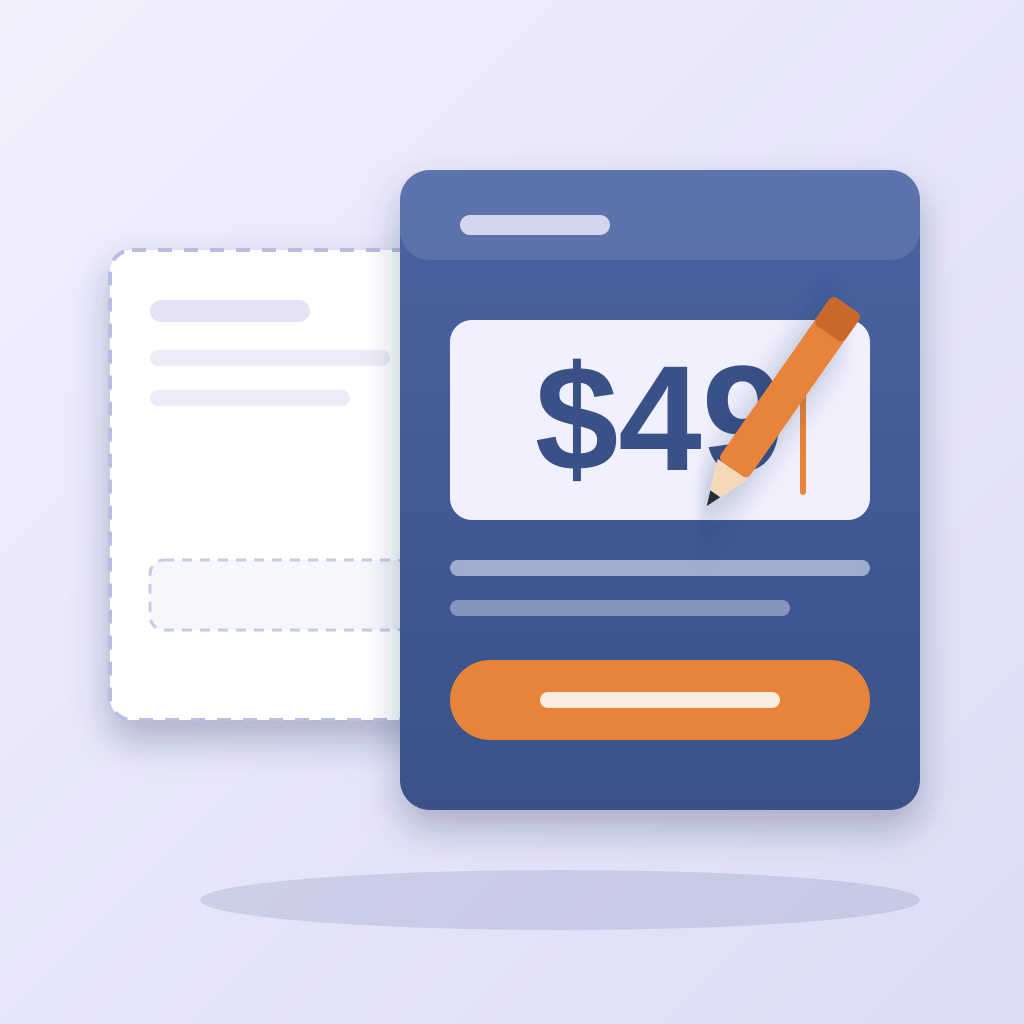
A pricing page that converts has very little on it. A name for the offer, the number, the billing rhythm, and three to five lines of what is included. Then a button. Then one answer to the objection you hear most. That is the whole page. People overbuild it because building feels like progress while naming a number feels like exposure.
Take a photographer selling a monthly print subscription. The page reads: Print Club, $14 a month, one signed print shipped, a short letter about the shot, cancel anytime. Three lines. A button. Then a small block that says shipping is included and prints go out on the first Monday. That page can go live in an evening. The blocking question was never the page. It was whether $14 was the right number, and you answered that in your note before you touched a browser.
The free kit helps here in a specific way. It ships 12 module specs, and one of them covers the pricing and checkout flow. The spec tells your AI worker what the page needs, what the database fields are, and how the checkout connects to the rest of the app. You hand it the token or read the spec yourself and hand over your note. Your job is the decision. The worker's job is the wiring.
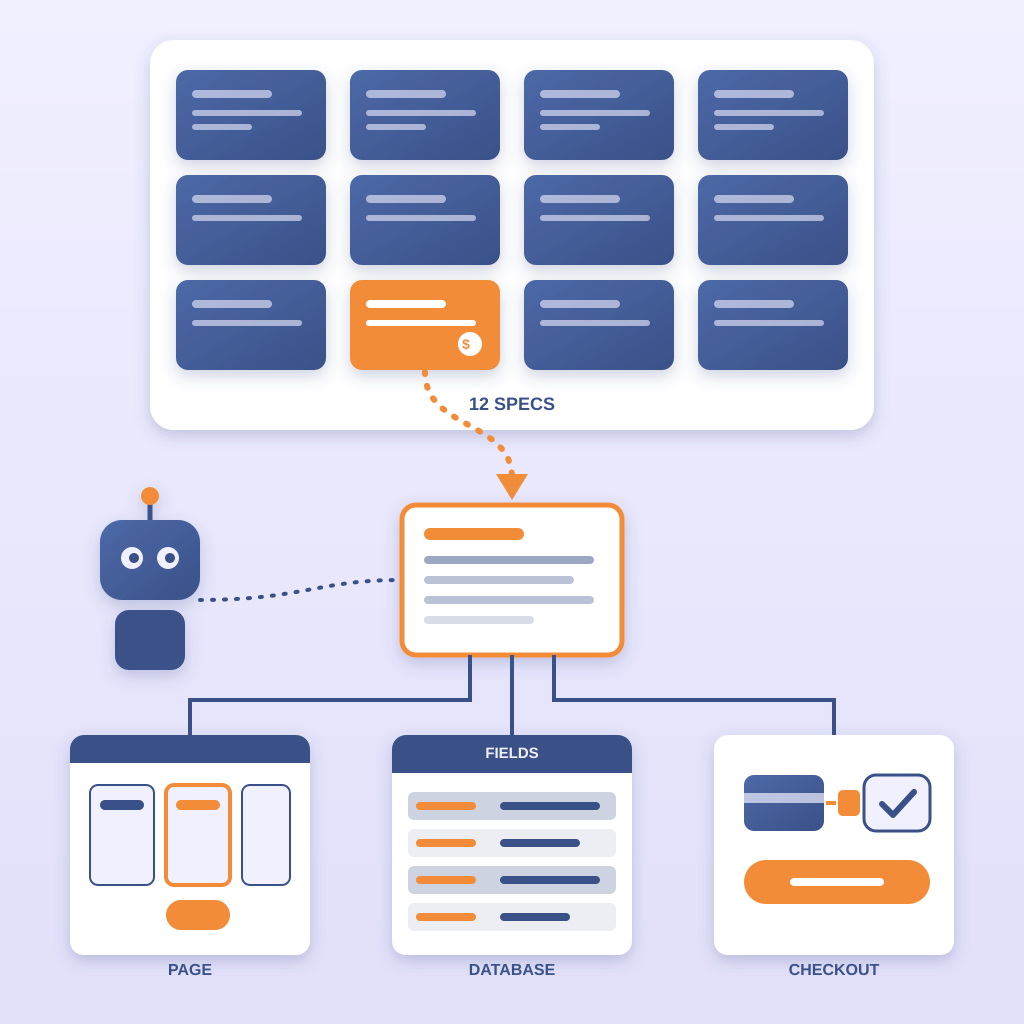
So the content comes from you in plain language. Your AI worker turns it into the page. You read the result and change two words if they are wrong. That loop takes less time than a coffee break, and the pattern repeats for the products you ship next because the reference codebase is the same 85 files each time.
One more practical point. Keep the billing rhythm simple on the first pass. Monthly or one-time. Annual plans, tiered bundles, and add-ons can come after you have five paying customers. Complexity on day one slows the decision and clutters the page. You can add tiers later when you know which one people pick.
Why Waiting Costs More Than Getting It Wrong
The cost of waiting is a name. Last week someone asked what you charge. You said you would send details. You did not, because the page was not ready, because the number was not settled. They bought from someone with a worse product and a live button. That is the bill.
Set a price tonight and you can get it wrong for a week and still be ahead. You learn from a wrong number in days. Someone clicks, someone hesitates, someone writes back with a question. You adjust. That feedback is worth more than a month of planning, and it is free to collect once the page is live.
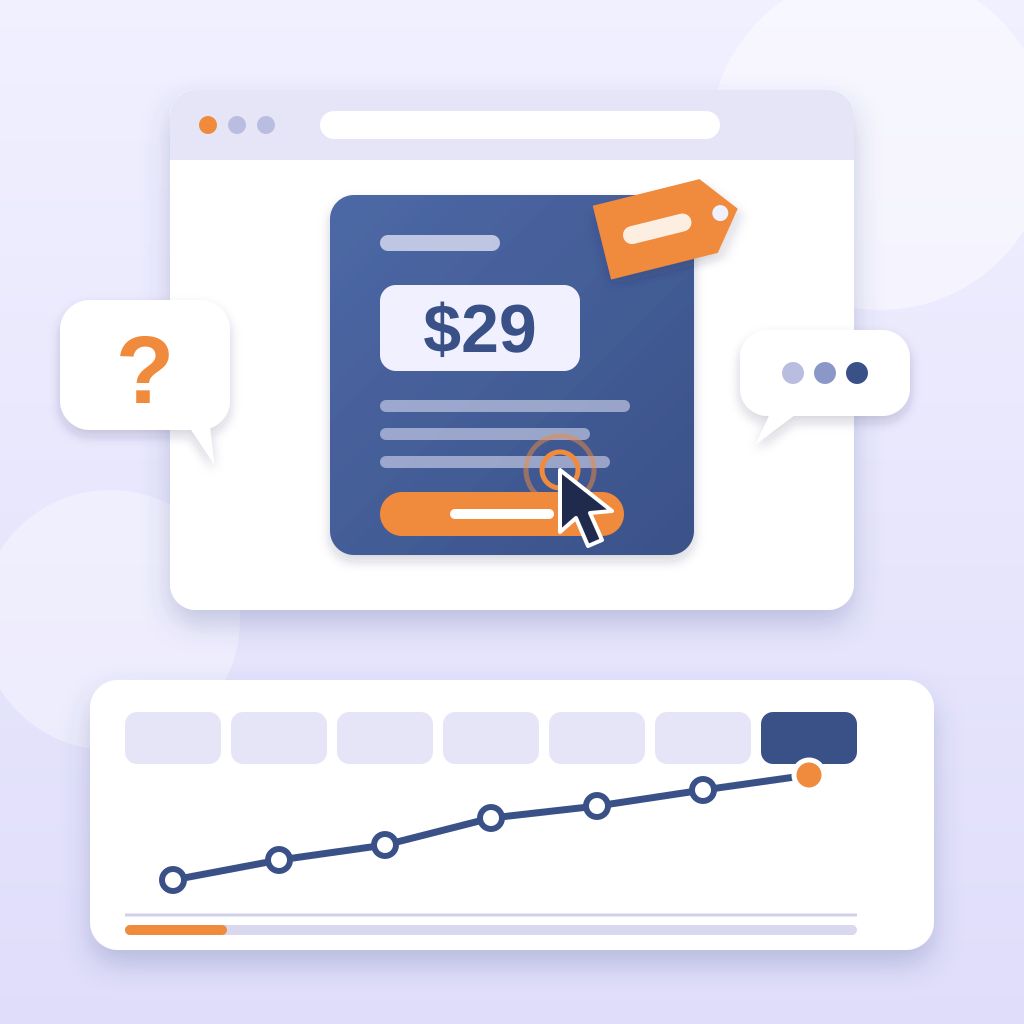
There is a second cost most people miss. Every week you leave pricing undecided, your work stays a service instead of a product. Service income resets to zero each month. Product income does not. The gap between those two is not effort, it is that one has a number attached and one has a conversation attached. The pricing page is where the conversation becomes a number.
Mouldi built four products over 13 years using the same framework. Tutoplus in education, BidLight in construction, Tesla DGF as internal automation, Prigmar in AI marketing. Four industries, one machine underneath. The part that shipped first in each case was the price and the checkout, because nothing else can be tested until money can move.
So the build order is price, page, then everything else. Your AI worker can have checkout live before you sleep, and you can test it with a friend's card or a test transaction the same night. That is a working business loop in under a day. Compare it to three weeks of layout tinkering with no number on the page, and the choice gets obvious.
What Is Free, What Is Paid, and What This Costs You
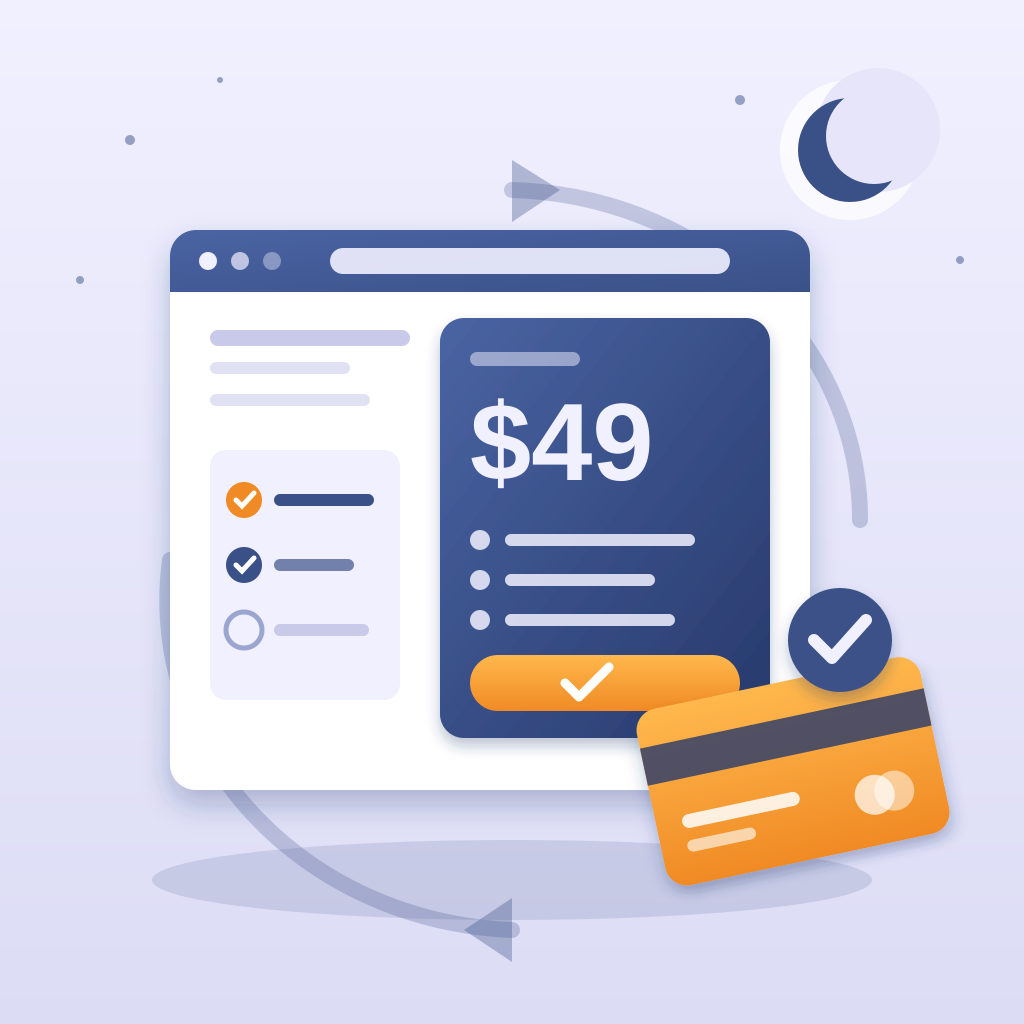
The core kit is free. That means the 206-page PDF, the 12 module specs including the pricing and checkout one, and the 85-file MERN reference codebase at zero cost. There is also a 30-day AI crawl token your AI worker can fetch while it builds, so it reads the chapters and files straight from the server. No upsell on any of that.
The only paid item on the site is the $19 forecast PDF, 21 pages, and you do not need it to do this. The pricing page tonight costs nothing. The token costs nothing for 30 days. If you want the forecast read after you have a live page and one paying customer, buy it then. It is a second question, not a prerequisite.
What it does cost is your evening. Fifteen minutes of thinking and a couple of hours of watching your AI worker assemble the page, correcting it when it guesses wrong. That is real time. I am not going to pretend the work is zero. It is just far less than the three-week wait most people impose on themselves before they name a number.
The other cost is judgment. You are the one who decides what the offer is and what it is worth. No AI worker can make that call for you, and no course can make it for you either. The kit gives structure so you do not have to invent a pricing page from scratch. It does not decide for you. You direct, the worker executes.
And keep the harness on. The daily loops after launch, follow-up, invoicing, marketing, are what turn a live page into revenue. The kit covers those as specs too. Pricing tonight is the first loop, not the whole system. Run it tonight and you will know more about your business by morning than you knew last week.