

The Cost Trap: How Much Does It Really Take?
You've probably asked yourself: how much does it cost to build an online store? Traditional answers range from a few thousand dollars for a freelancer-built site to tens of thousands for a custom platform. But those numbers assume you're trading dollars for hours—paying someone else to build and maintain something you don't own. That's the old model. The one where you're always one unpaid invoice away from starting over.
With Free Builder, the answer is different. The core kit is free: a 206-page PDF or an AI crawl token that your AI worker uses to build your SaaS. You direct AI workers. You keep every customer and every dollar. No code, no team, no funding needed. So how much does it cost to build an online store? Essentially zero upfront. Your only cost is your time to learn the framework and direct the AI workers.

But let's talk about the hidden costs of the old way. When you hire a developer, you're paying for their learning curve, their overhead, and their profit margin. And you're still not the owner of the product—you're just a client. If they quit, you're stuck. With a bootstrapped SaaS, you own the asset. The cost isn't a one-time payment; it's a subscription that grows with your revenue.
Think about it this way: instead of asking how much it costs to build an online store, ask how much it costs to keep all the profit. With Free Builder, the answer is simple: whatever you decide to reinvest. You're not paying for labor; you're paying for leverage. And leverage is cheap when you have the right framework.

From Trades to Assets: Why Subscribers Beat Clients
When you build a SaaS, you don't have clients. You have subscribers. That might sound like semantics, but it's the difference between trading time and owning an asset. Clients hire you for a project; subscribers pay you for ongoing value. Clients can fire you; subscribers can cancel, but only if you stop serving them. And because your AI workers handle support and updates, you're always serving—without being on the clock.
Let's look at a concrete example. Say you build an online store using Free Builder's framework. Instead of selling your time to design and code stores for clients, you launch a SaaS that lets merchants run their own stores. They subscribe, you collect monthly payments, and your AI workers manage feature requests and bug fixes. The client who can't fire you becomes the subscriber who doesn't want to leave.
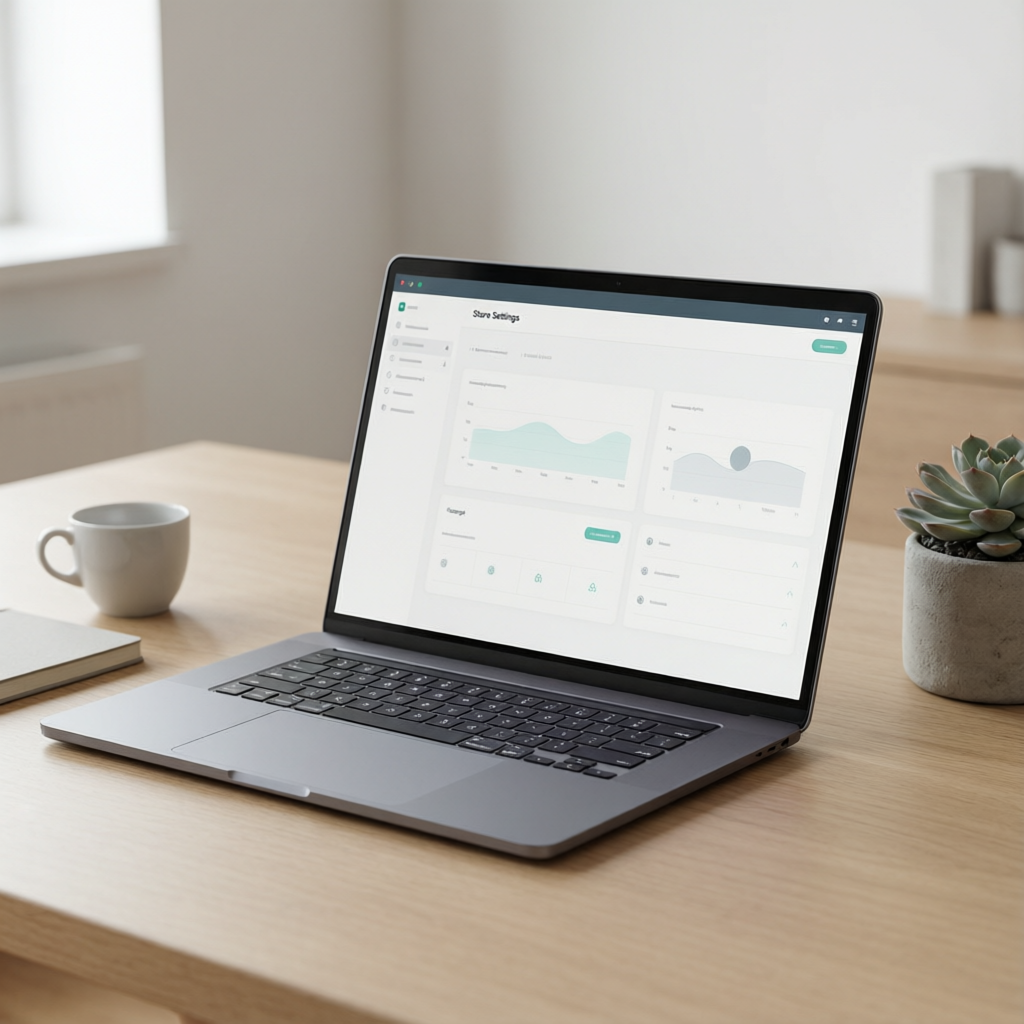
This model eliminates the biggest pain points of client work: scope creep, rate negotiations, and the constant need to find new projects. You're no longer a vendor; you're a platform. And platforms scale. One AI worker can handle hundreds of subscribers. That's leverage without the overhead.
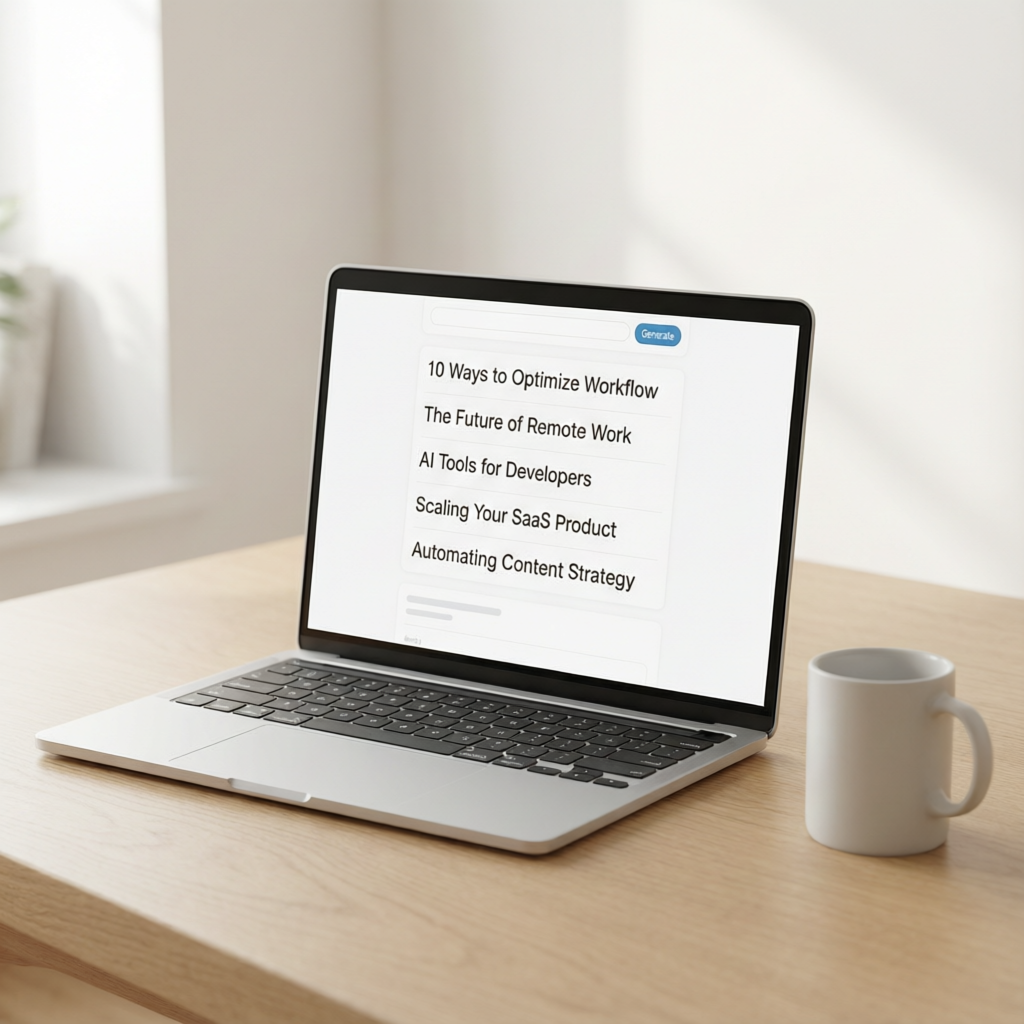
Consider an ai tool to generate blog topics from a keyword. You could build a small SaaS around that. Subscribers input a keyword, the AI generates ideas, and they get weekly suggestions. No client meetings, no revisions. Just recurring revenue. The same principle applies to any skill you have. Package it as a subscription, and you've built an asset that pays you while you sleep.
Substitute Content for Code: How to Brainstorm Webinar Topics That Stick
One of the easiest ways to attract subscribers is through content. If you're wondering how to brainstorm webinar topics for b2b audiences, you're already on the right track. But don't just create content manually—build a tool that does it for you. Imagine a SaaS that takes a user's industry and audience, then generates a list of webinar topics with outlines. That's a product you can launch in a week with Free Builder.
Bootstrapped saas tools like this are perfect for solo founders. They don't require a team or funding. You just need a clear skill (like knowing what makes a good webinar topic) and an AI worker to execute. The same logic applies to content ROI: if you're wondering how to measure content roi for marketing teams, you can build a dashboard that tracks key metrics and sends reports automatically.

The key is to stop doing the work yourself and start directing AI workers to do it. Subscribe to weekly content prompts for marketers? That's a feature you can add to your own tool. The prompts are generated by AI, curated by your framework, and delivered automatically. Your subscribers get value without ever knowing you're not manually writing each one.
By substituting content creation with a product, you transform your expertise into a recurring revenue stream. You're no longer a freelancer; you're a SaaS founder. And that's the client who can't fire you—because they're not your client. They're your subscriber.