
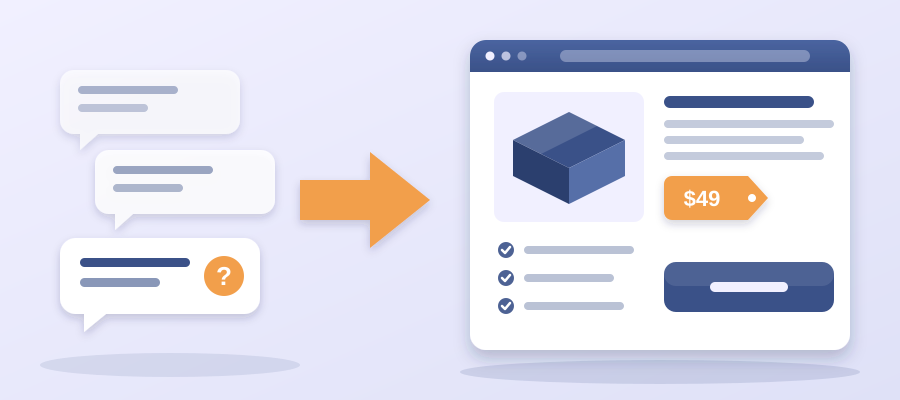
You already wrote the product. You just sent it as a reply.
You answered the same question 40 times this month. You charged for zero of them. Look at your sent folder and count the replies where you typed the same explanation again, maybe with a different opening line. That is not support. That is a product you keep delivering for free, one email at a time.
A support question that repeats is a demand signal. Forty people did not ask by accident. They asked because the answer is hard to find, hard to trust, or hard to apply. You are the one who can give it to them in plain language, and you already proved that by typing it into email after email. The repetition is not noise. It is the market telling you what it wants to buy.
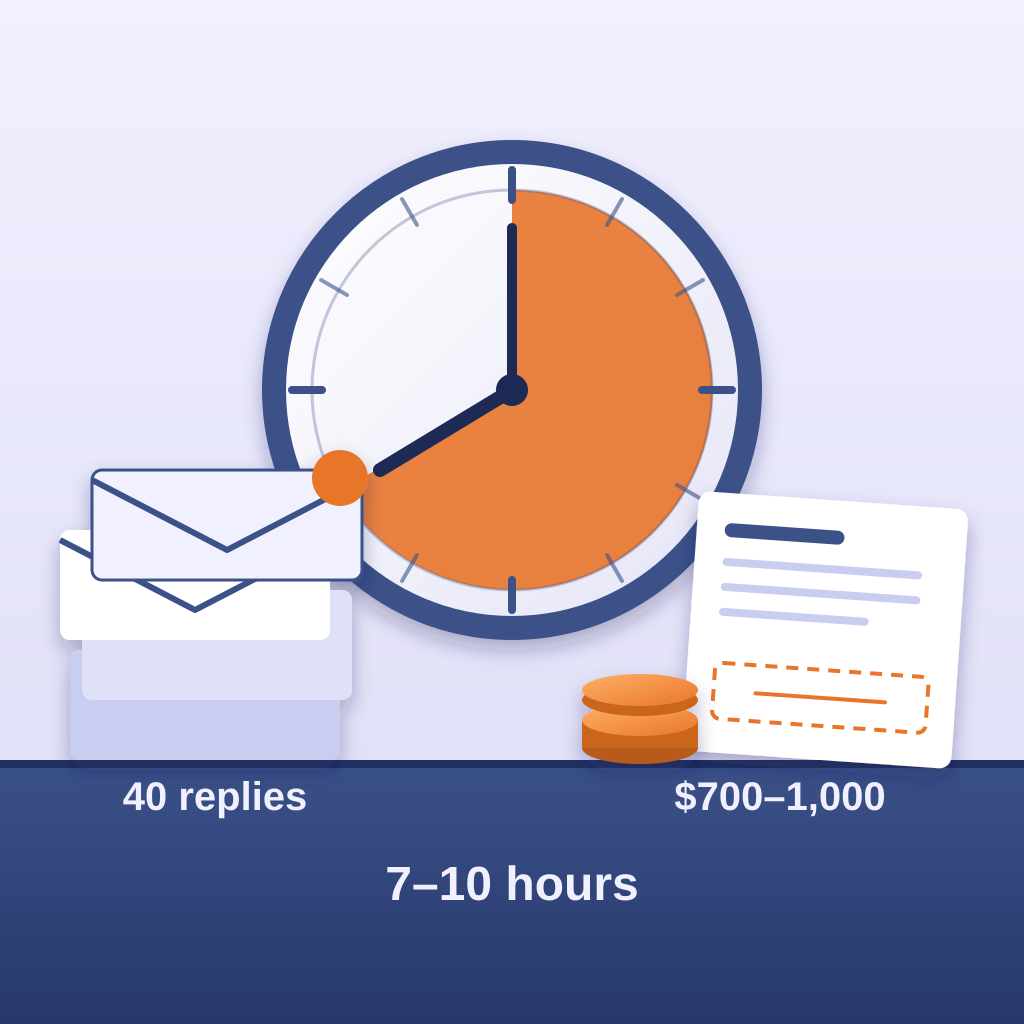
Now count the cost of that. Forty replies at maybe 10 to 15 minutes each is roughly 7 to 10 hours a month. At a $100 hourly rate that is $700 to $1,000 of your time spent on work that did not invoice. You got paid in goodwill, which does not cover rent. The waiting cost is worse. Every month you keep answering by hand is a month the question stays free, and the people who would have paid for the organized version keep finding it in a thread somewhere.
I built four products over 13 years. Every one of them started as something I was already doing by hand for somebody. Tutoplus started with a tutoring workflow I repeated for clients. BidLight came from construction quotes I kept rebuilding. The product was already in the work. The change was that I stopped treating the repeated work as service and started treating it as the thing itself.
The fix is smaller than it sounds. Pick the question you answered most this month. Write the answer once, properly, and put a price beside it. That single move is what this guide walks through.
The test: is this a support question or a product page in disguise?
Not every question deserves a price. Some are one-off logistics, like where the file lives or when the call is. The test is whether the answer contains judgment someone cannot easily copy. If your reply includes a decision rule, a sequence, a checklist, or a mistake to avoid, that is expertise. If your reply is three words saying where the file lives, that is not a product.
A repeat count is the cleanest signal. If you answered it three or more times this month, it has buyers. If you answered it once and it was complicated, it might still be worth a page, but you have less proof. I would start with the top one you know in your gut. You already know which question it is. You can feel it clogging your inbox.
Ask whether the answer changed your client's outcome. If someone followed your reply and got a result, that is real. If it just saved them a lookup, it is a nice thing to give away. The difference matters because you want to price the outcome, not the typing. The page should sell the result they get after reading, not the fact that it is 12 steps long.

Run the napkin test. If a stranger with the same problem found this answer online for $19, would they pay? If they would, you have a product. If you hesitate, narrow the question until the answer is more specific and the buyer is clearer. A wide question sold to everyone is hard. A narrow question sold to the exact person who keeps emailing you is easy.
Once you pass the test, stop answering it by hand. That sounds harsh. But every free reply after this point competes with your own page. Answer warmly, then point to the page. The people who were going to buy will buy. The ones who would not have paid get the same help you were giving anyway, without eating your afternoon.
What goes on the page: the answer, the price, and one clear next step
The page has three jobs. It has to prove you know the answer, state the price without apology, and give one obvious way to buy. That is it. You do not need a brand, a logo, or a sales page with a countdown. You need a structure that a buyer can read in two minutes and decide from.
The top of the page repeats the question in the buyer's own words. Not the tidy version. The version they typed into your inbox, with the worry in it. Then one sentence on what they get. For example: a 12-step checklist for setting up X so it does not break on the first invoice. Then the price. Put the price high enough that it is visible without scrolling.
The middle of the page is the answer itself, but shaped like a product. Lead with the outcome, then the steps, then the two mistakes you see most often. The mistakes are the part people cannot get anywhere else. That is where your years show. It is also what makes the page worth money even for someone who already knows half the answer.
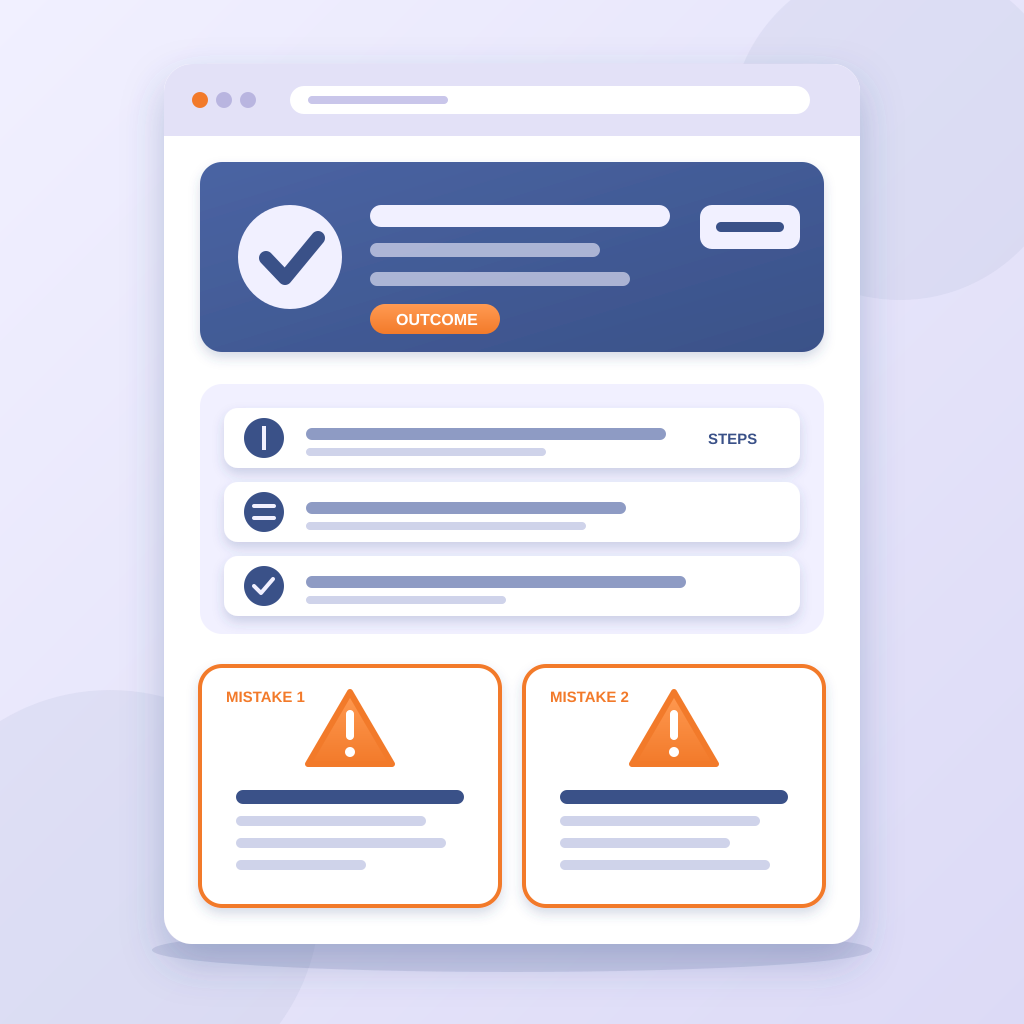
The bottom is a single button. The button says the price and what happens when they click. If delivery is instant, say instant. If you send it manually within a day, say that. Unknown delivery times are the fastest way to get a refund request, so do not hand-wave it.
When your AI worker builds this page, it will follow the kit structure. You hand it the question, the answer, and the price. It writes the page and the checkout path around it. You review the mistakes section line by line, because that is where your judgment lives and no worker should guess it. The rest is copy and layout, which the reference codebase already handles.
The price is the part you will get wrong first
Most people underprice the answer because it feels like knowledge, and knowledge feels free to the person who has it. You have to fight that feeling. The buyer is not paying for the sentences. They are paying to skip the months of trial and error, and to stop asking the question in the first place. That has a number.
Start higher than feels comfortable. If your hourly rate is $100 and the answer saves someone four hours, a $19 page is generous. That is fine as a first page, but know what you are doing. You are buying customers and proof, not maximizing revenue. Say that to yourself plainly so you do not misread the result later.
Price by the result, then adjust. If the page starts selling and you get no refund requests, raise it. If it sells once a month, the page is too wide, not too expensive. Narrow the question and try again. I would rather see you run three narrow pages at $29 than one vague page at $9 that sells nothing.
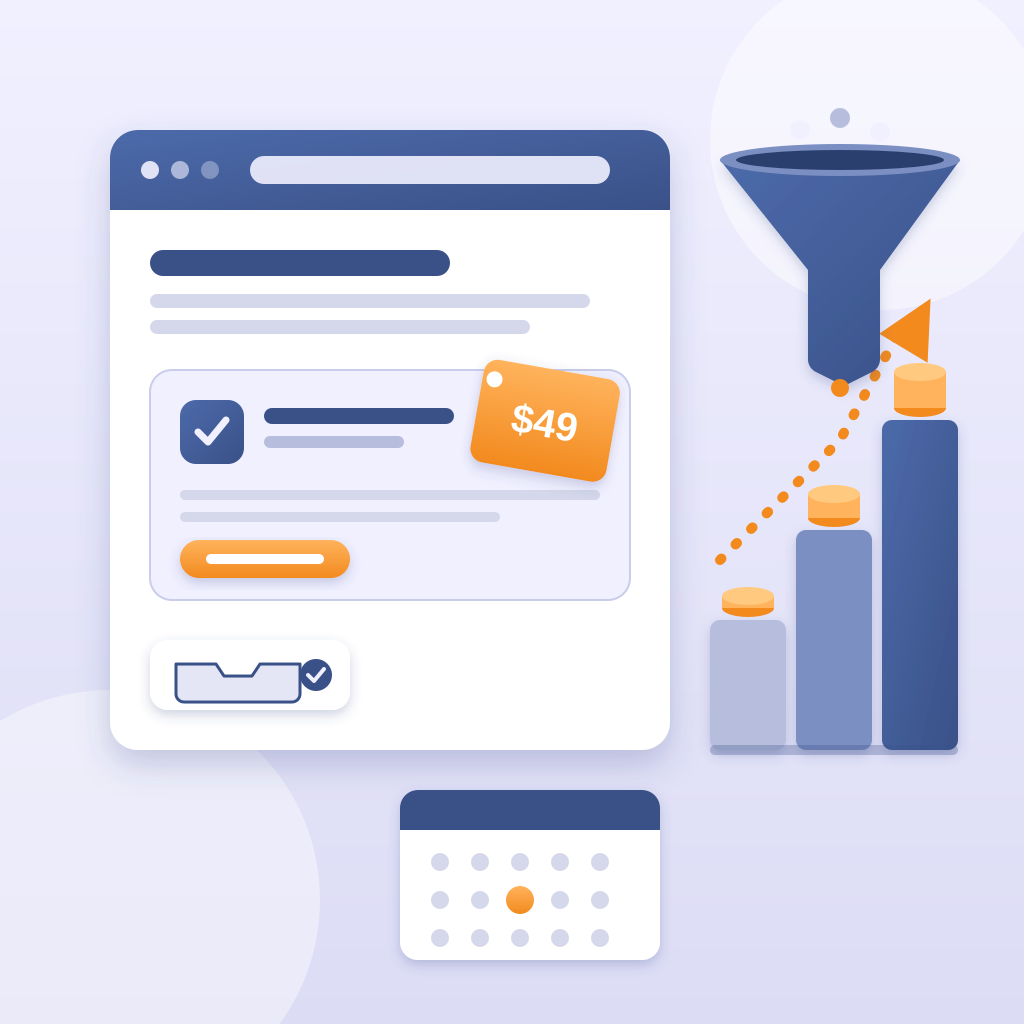
Name the cost of guessing wrong. If you price too low, you train buyers to expect free, and every later product has to fight that. If you price too high for the proof you have, you get silence and start doubting the page instead of the price. Put the number down, write it on the page, and watch for two weeks before you touch it.
One honest note. I do not have a proven conversion number for your specific question, and no one does before it ships. If you read a figure on a sales page claiming average conversion for pages like this, treat it as marketing. You will know your number after real buyers see your page. That is the only number that matters.
How to stop answering it by hand without being rude
The page only pays if it becomes the answer. That means your reply changes shape. When the question lands, you send a short note that says the answer is on the page, with a link. You keep the warm line or two. You remove the long explanation. That is the whole change, and it is harder emotionally than tactically.
Some people will push back. They want the answer in the email, not behind a link. For a real client on a retainer, give them the answer. They already pay you. For a stranger who found you online, the page is the answer. This is the line that keeps the system from collapsing back into free support.
Track the replies for a month. You will see the question in your inbox drop as the page starts to rank or get shared. You will also see a few sales come through without you touching email at all. Those sales are the point. They are proof that the answer works without your body in the loop.

Your AI worker can handle the follow-up here. It can watch for the question in your inbox and draft the link reply. It can send the delivery email after a purchase. It can nudge the buyer three days later with the one step people skip. You approve the language once. The loop runs after that.
The risk is that you keep answering by hand because it feels helpful and it feels safe. It is neither after the page exists. It is just a leak. Every long free reply now costs you the sale and the hours. You already did the work. Put it behind the page and let the page do its job.
What you keep, what it takes, and what is free
You keep every customer and every dollar on this page. There is no marketplace taking a cut and no platform owning the buyer. You collect the email, you take the payment, and the buyer is yours next time you publish something. That matters more than the first $19. It is the start of a list you can sell to again.
The build itself is short. A single product page, a checkout path, and a delivery email is about a week of calendar time if you have the answer already written, which you do. The kit gives your AI worker the structure to follow, so the page and the code come together instead of stalling on a blank file. You direct the judgment. It does the typing.
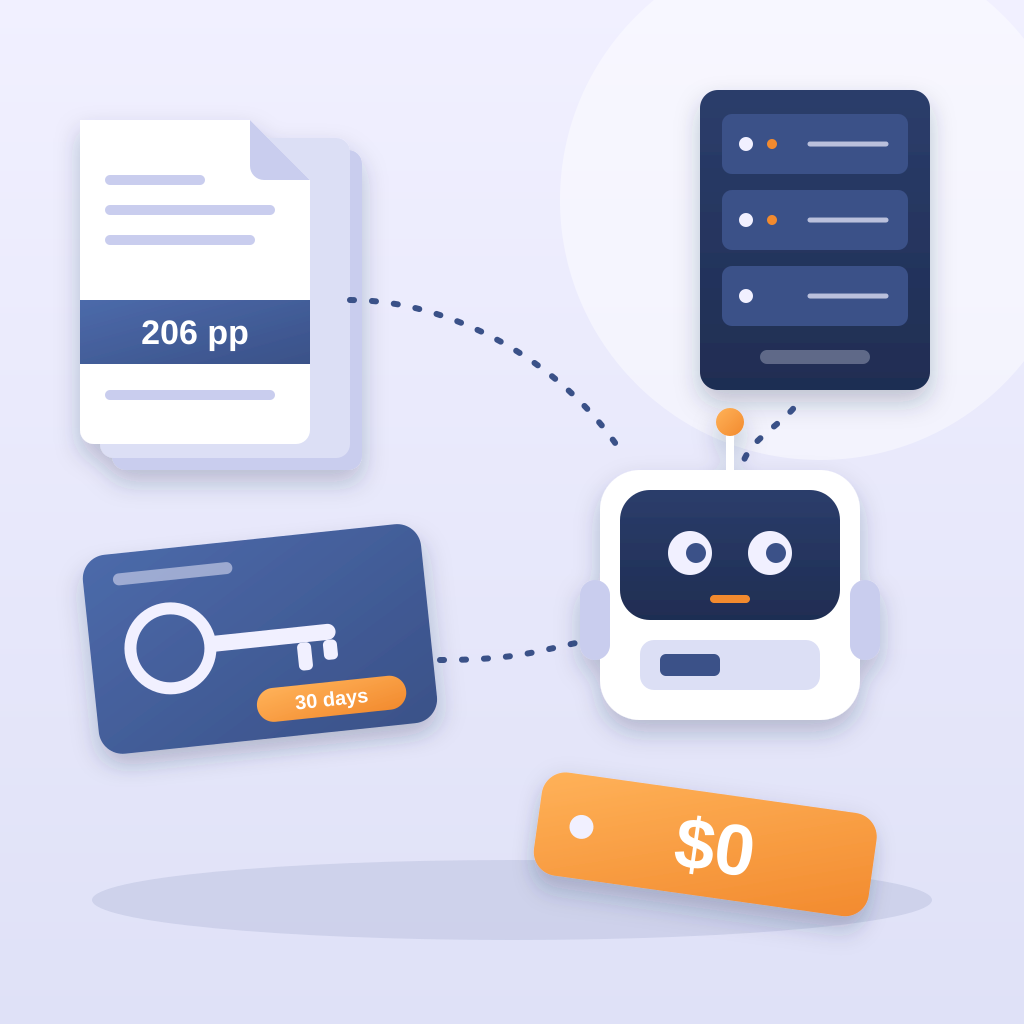
The core kit costs nothing. You can take the 206-page PDF or the 30-day AI crawl token, and hand the token to your AI worker so it reads the chapters and files straight from the server while it builds. There is no $997 course behind a webinar. The paid options are separate and optional, and I will not pretend they are required to start.
What it takes is one honest hour of your time to pick the question and write the mistakes section. The rest is supervision. If you skip the mistakes section, you will have a page that reads like every other checklist online, and it will not sell. That section is the product. Treat it like the product.
Start with the question you answered most this month. Price it at $19 and publish the page this week. Then send the link in your next reply instead of the long answer. That single swap is the smallest version of owning your work instead of renting it out by the hour.
Keep it short. Ship the page.