

Read the Deposit Column, Not the Revenue Chart
Pull 12 months of bank statements. Not your invoicing software. Not a dashboard you built in a spreadsheet. The actual statements, in order, with the deposit column visible.
Read down that column. Do not read the annual total. The annual total hides everything that matters, because a freelance year usually adds up to a number that looks fine while every month inside it behaves differently.
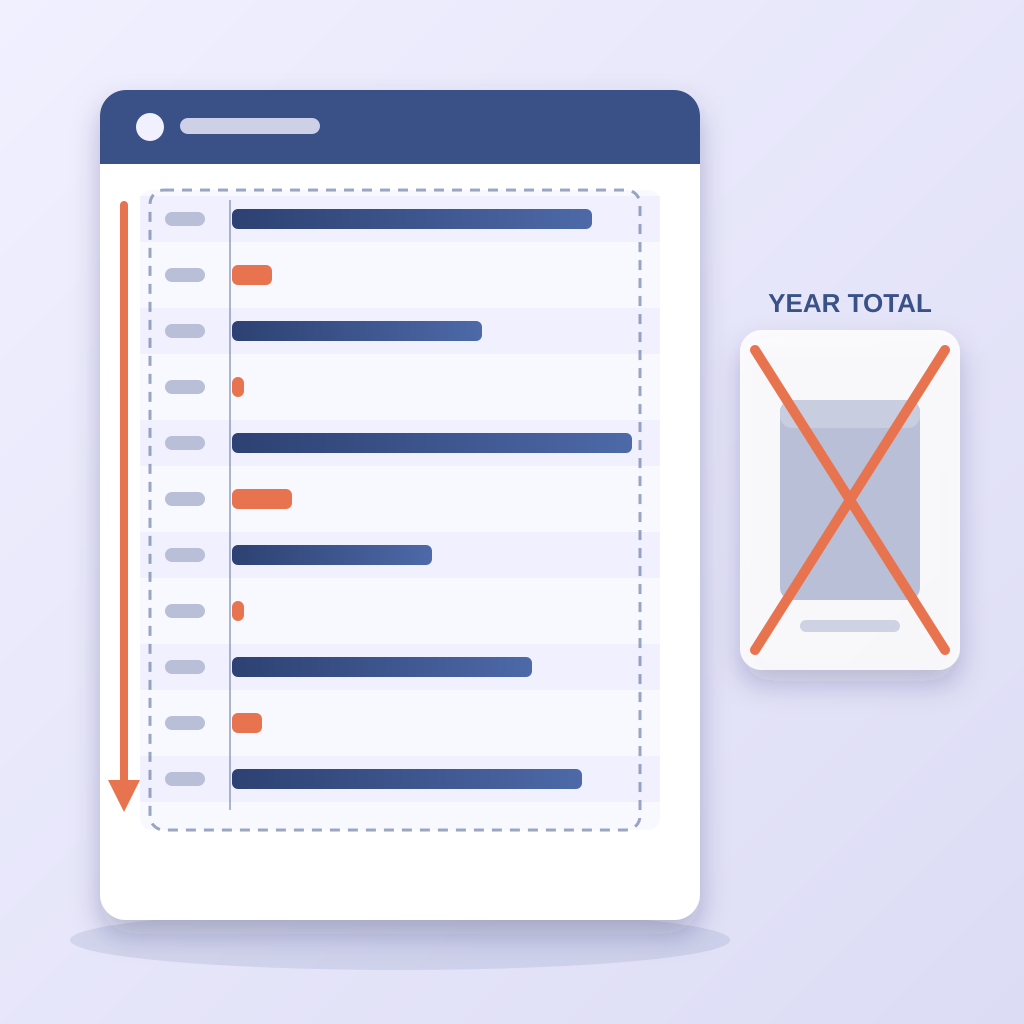
My own column looked like this. Month 1: one deposit, retainer client, arrived on the 14th. Month 2: two deposits, one project payment and one retainer. Month 3: nothing until the 27th, then a lump. Month 4: three deposits, all from different clients, none of them related. Month 5: one deposit, and it was smaller than I planned for. Month 6: a deposit that arrived nine days late and a second one that arrived because I chased it.
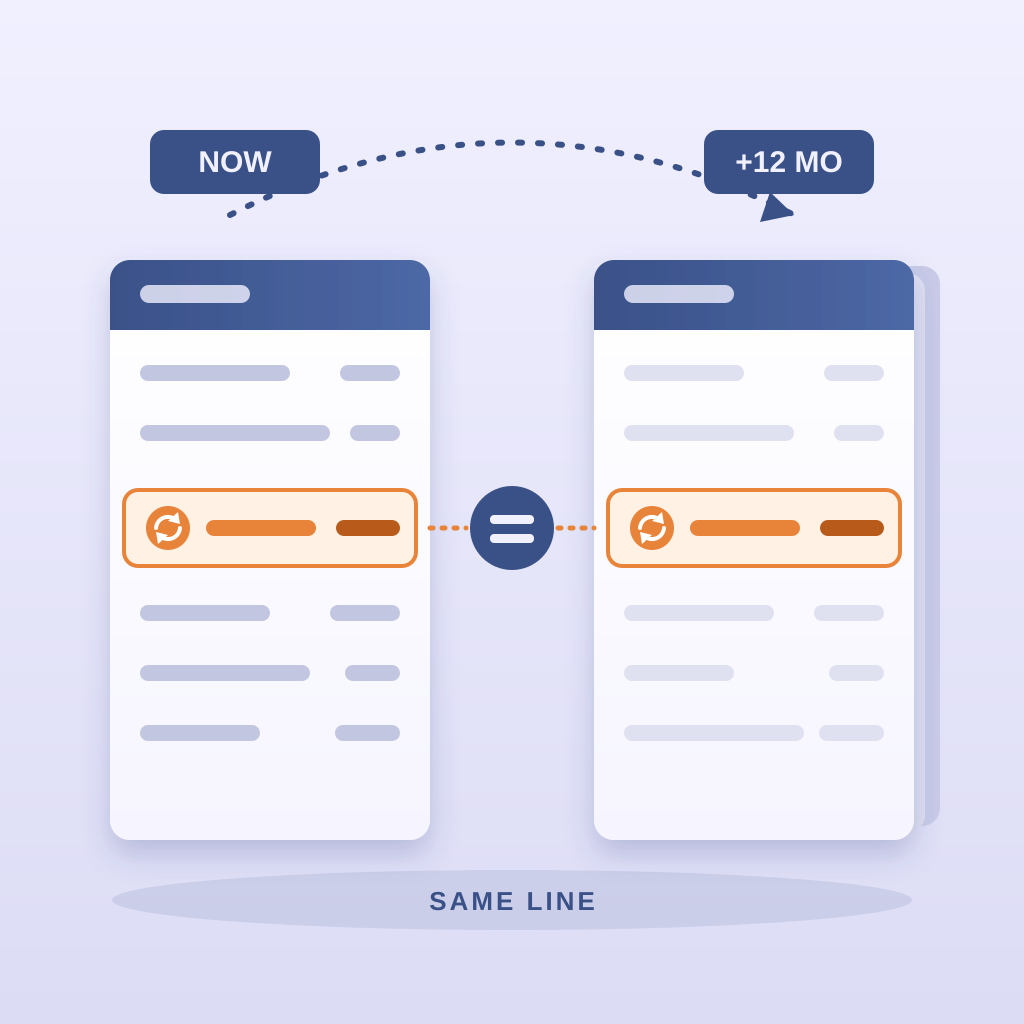
Then the pattern changes. Somewhere after month 6, one line starts showing up in the same week every month. Same client, same amount, sometimes two days early. That line is the one to highlight. That is the month you stopped resetting to zero.
Resetting to zero is what happens when every month starts from nothing. January's revenue does not care that December was good. The work you did last quarter paid you last quarter. On the first of the next month you are back at the start, hunting the next deposit.
What the Lumpy Months Cost You
Count the hours in the lumpy months. Not the billable hours. The hours spent finding the next piece of work, quoting it, waiting on a decision, and doing it again when the answer was no.

During those first six months, I spent most Thursday afternoons on proposals and follow-ups. Call it four hours a week, forty-eight weeks a year. That is roughly 190 hours that did not produce a deliverable and did not appear on any invoice. Some of it turned into revenue months later. Most of it did not.
There is a second cost. When income arrives in lumps, you cannot plan the next six weeks of your business. You can plan the next six days. That is why freelancers stall at the same size for years. The deposit column never gives them enough quiet to finish anything larger than the current client's job.
A brand strategy consultant hourly rate makes this worse, not better. If you bill at $150 an hour, every unbilled hour is a $150 hole in your week. Raising your rate does not fix the lumpy column. It makes each hole more expensive.
So the honest comparison is not this month versus last month. It is this month versus the same month next year, if nothing in the column changes.
The Month the Column Changed Shape
For me, the change was not a new client. It was packaging something I already delivered. A template I sent to every new client. The same 9-email onboarding sequence. The same short document about how I run a project. I turned that into a product with a monthly line and sold it to people who were not going to hire me for a full engagement.
Month 7, one deposit. Month 8, one deposit from the old work and one small line for the product. Month 9, two product lines and one client payment. By month 12, the repeating line was the smallest item in the column but the only one I could count on before the month started.
The amount matters less than the repetition. A $29 line that arrives in week one changes your planning more than a $4,000 project that might close in March. One of them is a floor. The other is a hope.
The first repeating line is the hardest. You are taking your best free advice and putting a price on it. That is also the moment internal brand training for employees stops being a topic you sell to other people and becomes something you do for yourself.

Once the line repeats three months in a row, the column has two shapes in it. You can point at the gap. That gap is the thing to close.
How to Build the Line Without a Framework
This is where the keyword shows up, so let me answer it directly. How to build a brand tone of voice framework in a way that produces a repeating deposit: do not start with a framework document. Start with the deliverables you already repeat.
Write down the last five things you sent a client that were nearly identical. The audit summary. The welcome email. The two-page kickoff note. The way you explain pricing. That set is your tone of voice, already written, already used, already paid for inside other invoices.
Package it as a product. Give it a name and a price and a place to buy it. Then hand the top of the work to an AI worker. You direct it. It writes and sends the follow-ups and the welcome drafts. What you keep is the judgment about which client gets which template and which email goes out first. That judgment is the part no framework document contains.

The Free Builder kit is what I used to get this moving. The core kit is free: a 206-page PDF, or an AI crawl token your AI worker reads so it holds the specs of the product you are making. You keep every customer and every dollar. The paid piece is the $19 read, which is 21 pages and tells you what the free kit does not give you. Both numbers are on the page. Nothing here is a subscription to me.
Twelve Months Later, Same Screenshot
Go back to the statement. Highlight the month the repeating line starts. You now have two facts on one page: what you earned before the line, and what the line adds after it.
The line will be small at first. Mine was. It did not replace a client payment. It changed what the first week of the month looked like, which changed how I said no to the wrong work.
Then something quieter happens. The hours you used to spend finding the next deposit start coming back. Not all at once. Two hours in week one. Three in week three. You spend them on the next product instead of the next proposal, and the column gains a second repeating line, then a third.
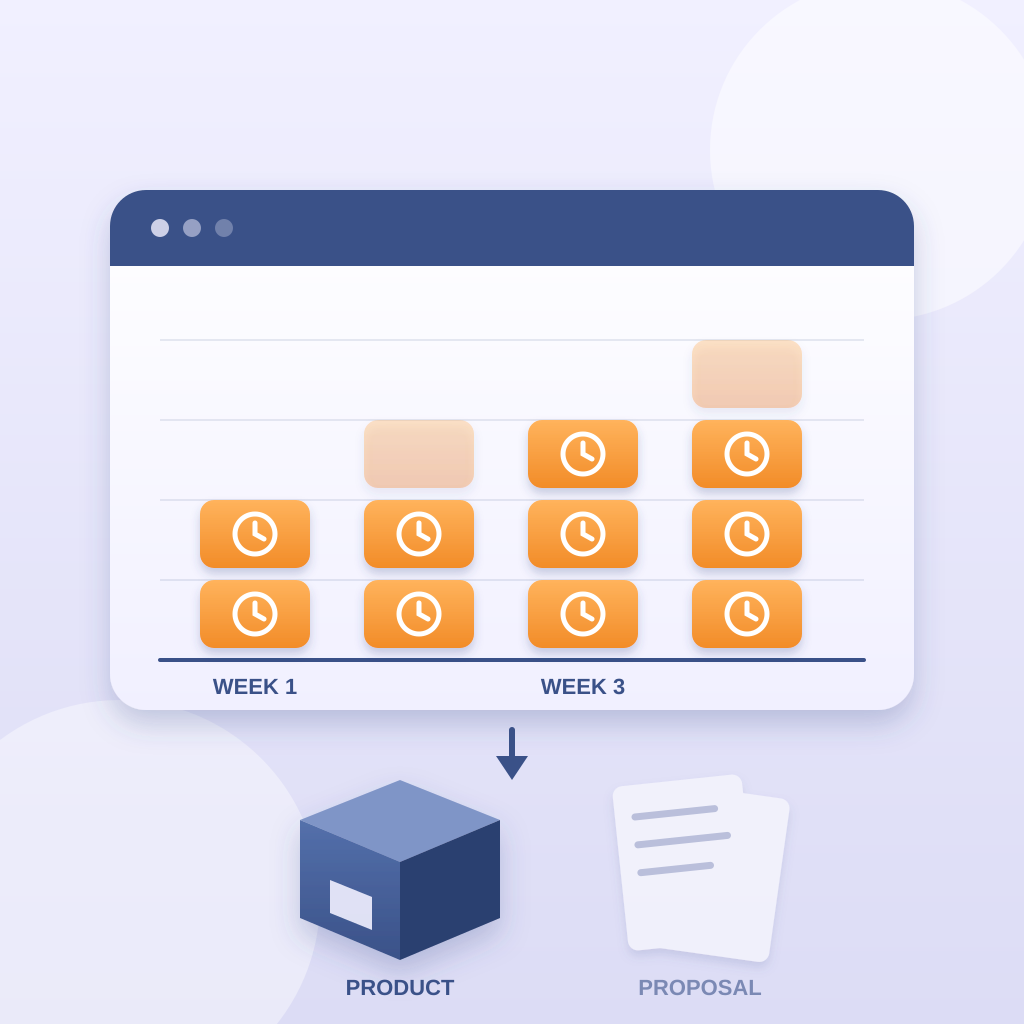
That is the whole arc. Lumpy deposits that stop and restart. One line that repeats. Then the month you stop resetting to zero and start from somewhere instead.
Signing off. Go pull the statements.