
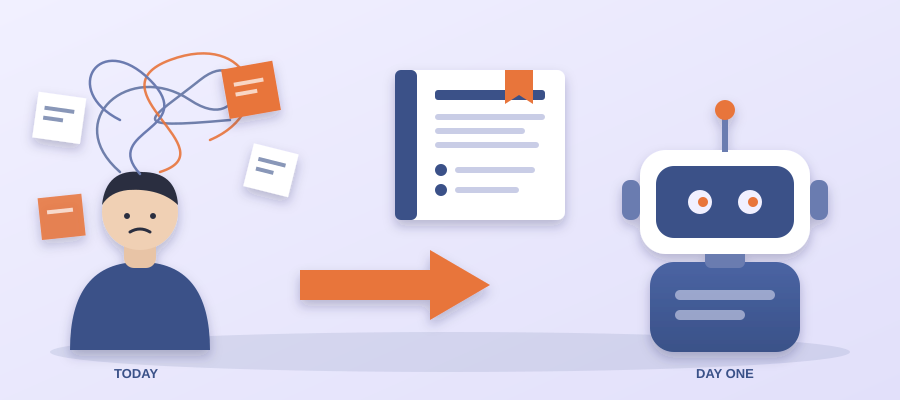
The 11 Hours You Never Bill
You know the 11 hours because you have lived them. It is the Monday call where you re-explain the same project scope to a client who forgot. It is the Tuesday afternoon where you rewrite a contractor brief you already wrote in March. It is the Thursday night where you open your own notes and try to remember why you priced the retainer at $2,400 and not $3,100. That is not client work. That is not building. That is the mental load of being the only place where the context lives.
When I built four products over 13 years, I tracked this for two months out of frustration. The number landed at 11 hours a week. Not 11 hours of work. Eleven hours of explaining. Explaining the vision to a designer. Explaining the brand voice to a copywriter. Explaining to myself, in a fresh Google Doc at 10pm, why the last decision was the right one so future me would not undo it. That is a part-time job that pays nothing and produces nothing you can sell.
The reason it never gets fixed is not laziness. It is that the context lives in your head, and your head does not have an export button. Every new person, every new tool, every new client is a fresh download from a brain that is already at capacity. So you repeat. You explain. You answer the same question for the fourth time and you say of course, happy to clarify. Then you close the laptop and wonder where the day went.
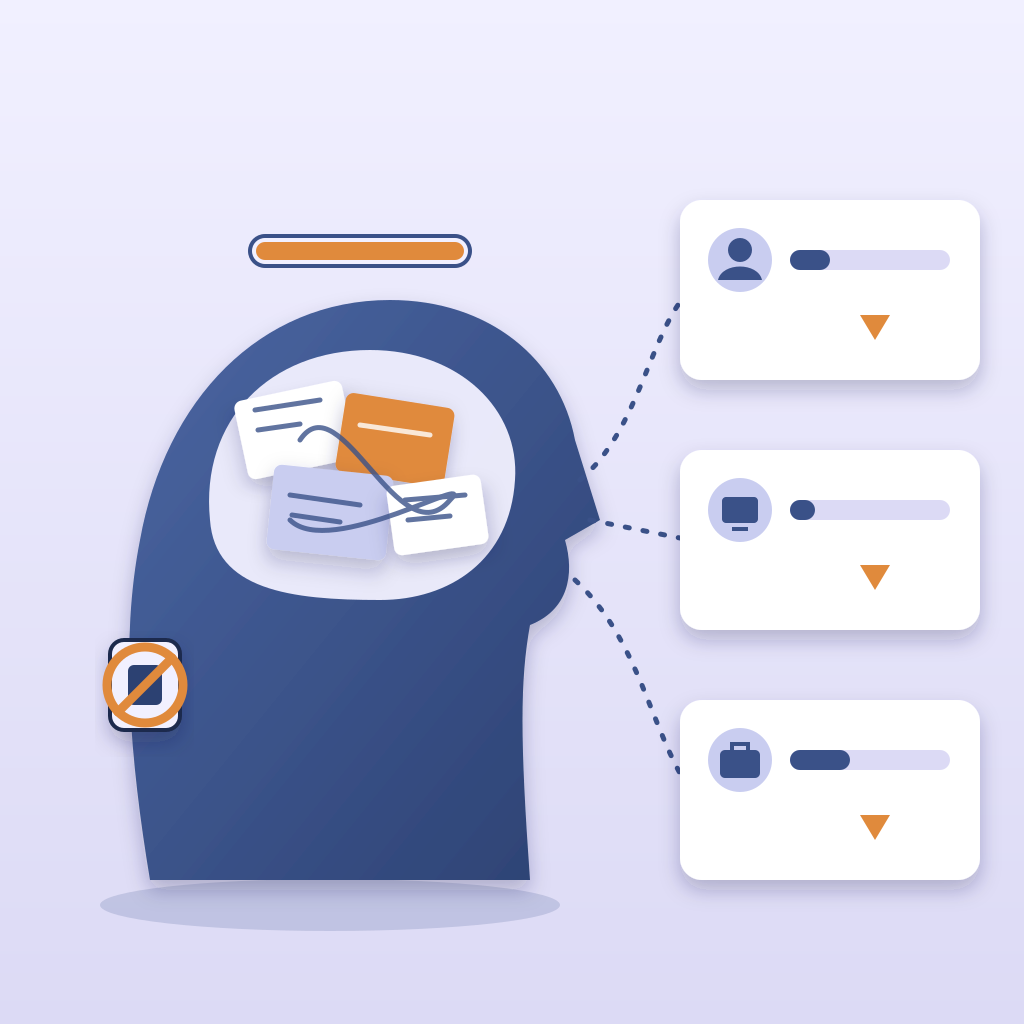
Here is the number that matters for the brand story question, which is where most of this repetition starts. The question of how to create a brand story that sells is not answered once in a kickoff deck. It is answered again every time a new contractor asks what your client does, or which tone is right for the email, or which audience is the real one. The story gets re-narrated so often it drifts. That drift costs you money because the client notices the inconsistency before you do.
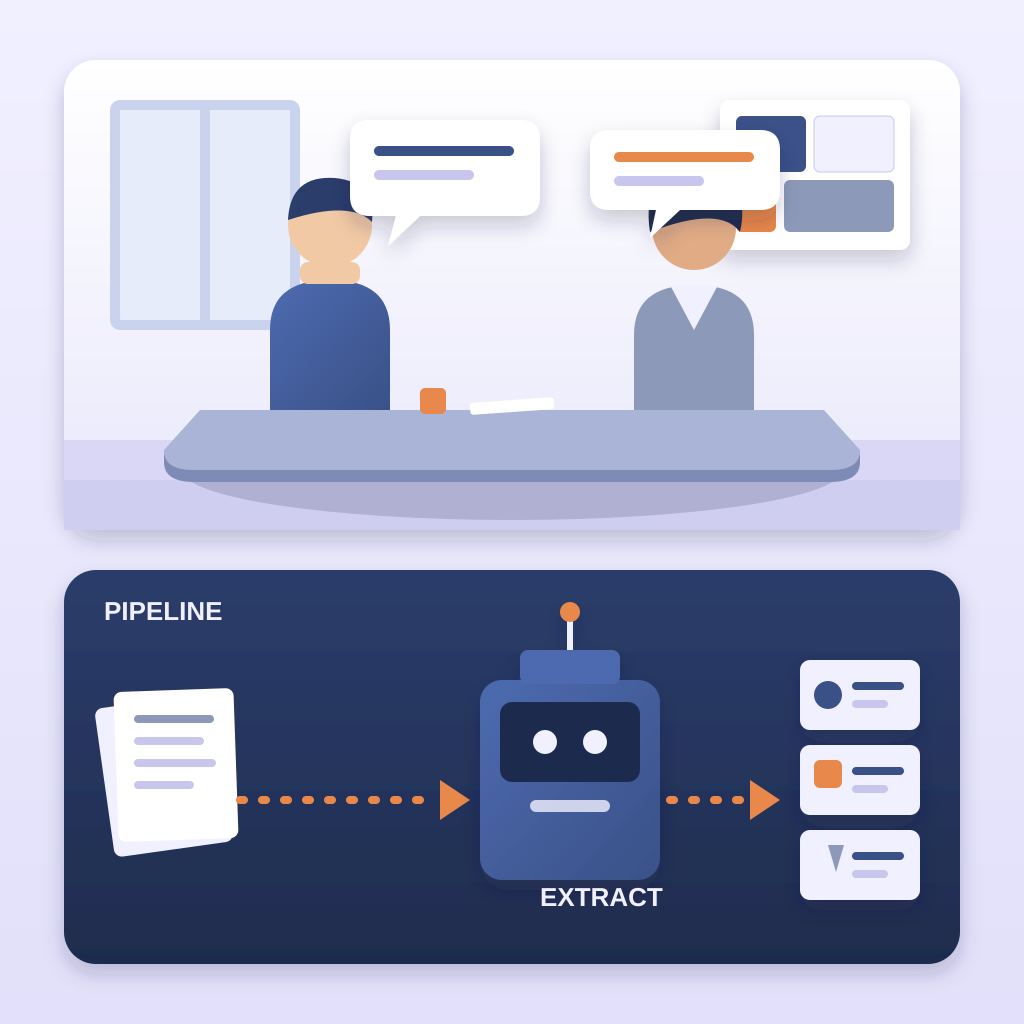
If you hire a brand strategy consultant hourly, the repetition has a price tag. Their rate lands somewhere in the low hundreds per hour, and every clarification call is billed. You are paying a stranger to re-learn what you already know. That is the mental load with an invoice attached, and it is why the handoff cost of an AI worker deserves a hard look.
What an AI Worker Asks You For
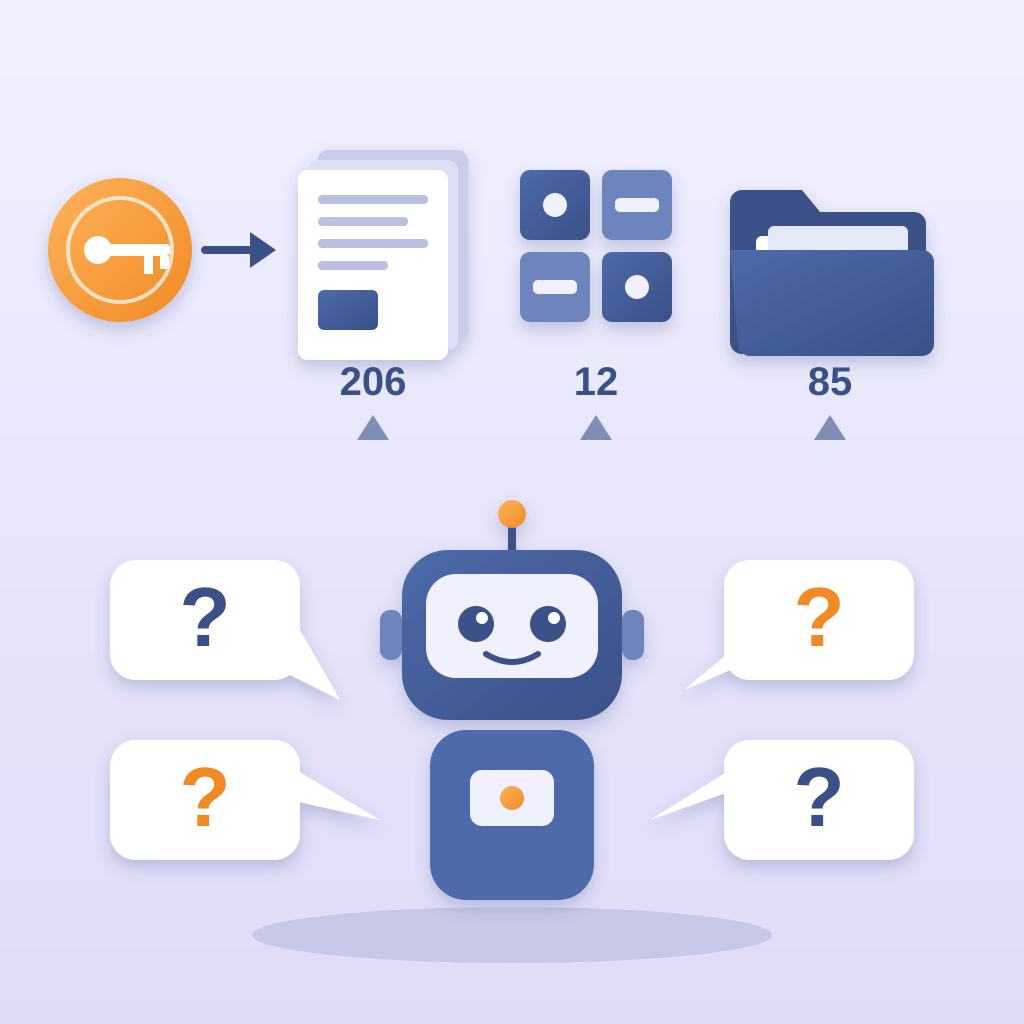
The first thing you hand an AI worker is not a prompt. It is a brief. Your brand voice, your audience, your pricing rules, your no-go list. The kit I built ships as a 206-page PDF or as a crawl token your AI worker reads directly. The 206 pages exist because a brief has to be written down somewhere, and writing it once is the whole point.
Here is the sequence on day one. You give your AI worker the token. It fetches the 206 pages, 12 module specs, and 85 files. Then it asks you the questions a new hire asks. Who is the customer. What is the tone. What do we never say. What is the price floor. You answer each one once. The answers live in a file. The next task, next week, next product, the worker reads the file instead of asking you again. That is the handoff. One brief, one time.
Compare that to the contractor cycle. You write the brief, you send the brief, the contractor reads it wrong, you get on a call, you clarify, the contractor sends work in a tone that sounds like a different company, you revise. There is no file that improves. There is only your Thursday night. The AI worker's file improves because it is the same file. Nothing gets re-downloaded from your head.
The framework for tone of voice is where this shows up fastest. If you want to know how to build a brand tone of voice framework that survives a handoff, the answer is boring. Write it down once in three parts. What we sound like. What we never sound like. Two examples of each. Then hand that file to every worker, human or AI, and stop re-explaining it. The file is the framework. The framework is not a workshop.
The cost of waiting is simple to name. Every week you do not write the brief is another 11 hours of explaining. Over a quarter that is 132 hours. Somewhere near three full work weeks. You are not getting paid for those hours and you are not building anything with them. That is the cost of the current version of you.
Why the Brief Feels Harder Than It Is
The reason people avoid writing the brief is that it feels like a brand exercise. It smells like a workshop with sticky notes. It sounds like internal brand training for employees, which sounds like a Tuesday you will never get back. So it stays on the list. And the 11 hours keep happening.

The truth is the brief is a decision log, not a manifesto. You are not inventing a brand. You are writing down decisions you already made in your head. The tone you already use in client emails. The audience you already turn away because they are not a fit. The price you already refuse to go below. You are transcribing, not creating. That takes an afternoon, not a quarter.
The mental load you carry today is not the work itself. It is the holding. Holding the context so it is available when someone asks. Holding the tone so it stays consistent across five people who never met. Holding the story so it does not drift into three different versions of your client's business. Holding is the expensive part. Writing it down is the release valve.
Once it is written, the brief does something your memory cannot. It scales without you. A new contractor reads it. A new AI worker crawls it. A new product inherits it. You stop being the router that every piece of context passes through. That is the difference between owning a business and being the busiest employee inside it.
Does this replace hiring? No. If you have the budget for a brand strategy consultant hourly, hire them for the parts that need a human eye, the parts that need taste and a room and a hard conversation. But do not pay a consultant to extract the brief from your head. Extract it yourself first. Then the consultant builds on top of it instead of starting from zero, and you spend hours not weeks on the same answer.
The Real Math on Day One vs. Day Ninety
Let me put both versions side by side, no flourishes. Today, you spend roughly 11 hours a week explaining context to clients, contractors, and yourself. That is 44 hours a month, 528 hours a year. At a modest $60 an hour of your own time, that is $31,680 a year you spend narrating your business to people who need it and to a version of you who will forget it by Friday. You are the most expensive documentation system you own.
With an AI worker, the handoff is front-loaded. You write the brief once. Let us say it takes a weekend, 12 to 16 hours including the parts you have to think through. Then the worker reads it, and every task after that inherits the context. The worker does not ask again. The 11 hours do not vanish, because clients still need calls and humans still need alignment. But the repetition goes away. The re-explaining goes away. The Thursday night memory doc goes away.
The part that surprises builders is what the file unlocks later. Six months in, you want to launch a second product under the same brand. Without the brief, you start the whole narration again. With the brief, the AI worker already knows the tone, the audience, the price floor, the no-go list. Day one of product two is a working session, not a briefing session. That compounding is where the real return sits.
The other number worth naming is the internal brand training for employees question, which sounds like something a 200-person company does. You are not a 200-person company. You are one person with contractors and an AI worker. Your internal brand training is the brief. If you have ever wanted to run brand training without booking a conference room, the honest version is this. Write the three-part tone doc, the two examples, the no-go list. Hand it to everyone you work with. Skip the slides.

What is free and what is paid, plainly. The kit is free. You can read the 206-page PDF or hand your AI worker the crawl token and get the same brief structure. There is a paid PDF at $19, 21 pages, and it is not required to start. It is a faster read of a slice of the same thinking. You do not need it to write your brief. You do not need to buy anything to stop spending 11 hours a week on the same explanations. That is the whole point of the free tier.
Write the Brief This Weekend
The action is small enough to describe in one sitting. Open a doc. Title it the client's name or your product's name. Write five sections. Who buys. Why they buy. What we sound like. What we never say. What we charge and why. That is the brief. Five sections, one page each, done in an afternoon if you stop editing yourself.
Then hand it to your AI worker with the token. Let it read. Let it ask the questions a new hire would ask. Answer once. Watch the file get sharper than your memory was. The first task it runs with that file will tell you whether the handoff worked. If it gets the tone right, you have your answer. If it does not, you fix one sentence in the file, not one hour in a call.
The thing I want you to notice is what stops happening. You stop being the only copy of your own context. You stop paying a brand strategy consultant hourly to extract what you already knew. You stop rewriting the story every time a new person shows up. You stop explaining, and you start shipping with the same brief in every direction.
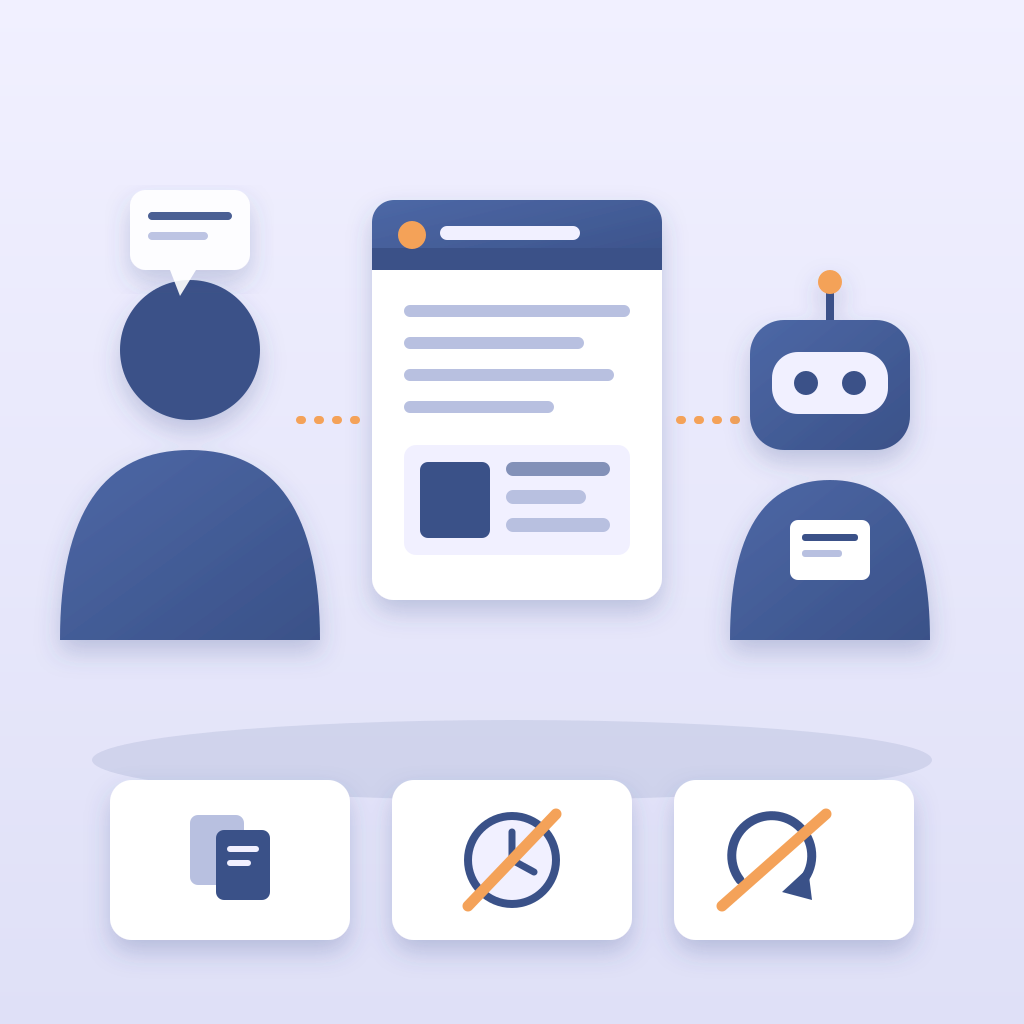
The brief you keep meaning to write is the one asset that makes the AI worker useful. Without it, the worker guesses. With it, the worker knows. Either way you keep every customer and every dollar. There is no team, no funding, no code required. There is just a file, written once, handed off once, improving every week you no longer spend repeating yourself.
Write the brief. Hand it over. Move on to the work that pays.