
The Weekly Report You're Ghosting For Free
Every Tuesday at 3 p.m., you email the same customer the same status update. Same formatting, same numbers, same context. It takes you an hour to pull the data, format it, and write a few sentences about what changed. You bill them for the work behind that report, but the report itself is just overhead. Each time you do it, you're not growing anything. You're just doing a chore. And the worst part? You've done this so many times that you could write it with your eyes closed.
But this boring, recurring task is actually a hidden asset. It's not just a task, it's a product prototype. The customer keeps paying you because they need that information. If you can package that information so they can access it themselves, you've got a product. The moment you realize that this repetitive work is the seed of a subscription, you stop seeing it as a chore. You see it as an opportunity.

Think about it: you've already built the logic for this report in your head. You know exactly what data matters, how to present it, and what decision it supports. That's the core of a SaaS product. The only difference is that a software product delivers that value without your hourly input. An AI worker can do the same thing. You just need to hand over the process.
The typical reaction is to think, 'But it's only one customer.' It's a start. That one customer is a proof. If the report is valuable enough to pay you for the underlying service, it's valuable enough to pay a subscription for direct access. The real kicker is that the same report you do for one customer might serve fifty customers in a niche. So you're not just automating one task, you're creating a scalable offer.
Your expertise is in knowing what to report, not in physically constructing the email. The value is in the insight, not the time spent. Once you decouple the insight from the hour, you have a product that can be sold over and over without additional effort. This is how you turn a boring task into a business asset.

Why a Dashboard Beats a PDF Every Time
The report you send is a snapshot. It's a moment in time, and it's static. By the time the customer reads it, it's already a little outdated. A dashboard, on the other hand, is a live view of the same information. It updates continuously, so your customer always has the latest numbers. You can create / set up / work inside (context-dependent) this with a free online store builder AI or a simple no-code tool that your AI worker updates.
Even better, a dashboard doesn't get ignored. I've seen customers file emails in a folder and never open them. With a dashboard, they log in because they need the info. That's engagement. And engagement means they see the value every time they look. That's what keeps the subscription active.
The key is to stop thinking of the report as something you produce and start thinking of it as a service your customer accesses. The service is the same information, but the delivery is different. Instead of you spending an hour to create the report, your AI worker updates the dashboard automatically. The customer gets the same info, but you get that hour back.

An AI worker can pull data from your tools, update the dashboard, and even send a summary notification. You're not paying a developer to create / set up / work inside (context-dependent) from scratch. You're using the free online store builder AI or similar tools to create a simple, functional dashboard. Then you teach your AI worker to do the same thing you used to do manually. It's a one-time setup that yields recurring value.
The time you get back is the real product. You can runs that hour to find new customers or improve the product for existing ones. Every week you don't have to do that report, you're effectively giving yourself a raise. And once you have fifty customers on a $29/month subscription, that hour becomes worth $1,450 an hour, for doing nothing.

That's the math that matters. The dashboard isn't just a tech upgrade; it's a business model upgrade. It transforms a cost center into a revenue center. The boring task becomes an asset that pays you while you sleep.
How to Set Up Your Subscription Product in a Weekend
The idea is simple, but the execution requires a clear plan. Start by identifying the recurring task you want to productize. It doesn't have to be a report, it could be a weekly audit, a competitor analysis, or even a content calendar. The key is that it's something you do repeatedly for customers and that delivers clear value. Write down the exact steps you take to complete it, including the data sources, the format, and the delivery method. This becomes your spec.
Next, choose the right tool. You don't need to code. Runs a free online store builder AI or a simple dashboard tool like Google Looker Studio, or a no-code SaaS builder. The goal is to create a view that mirrors the information you used to email. Create / set up / work inside (context-dependent) the dashboard first, even if you manually update it. The manual version is your first prototype. It will help you see what works and what needs adjusting.
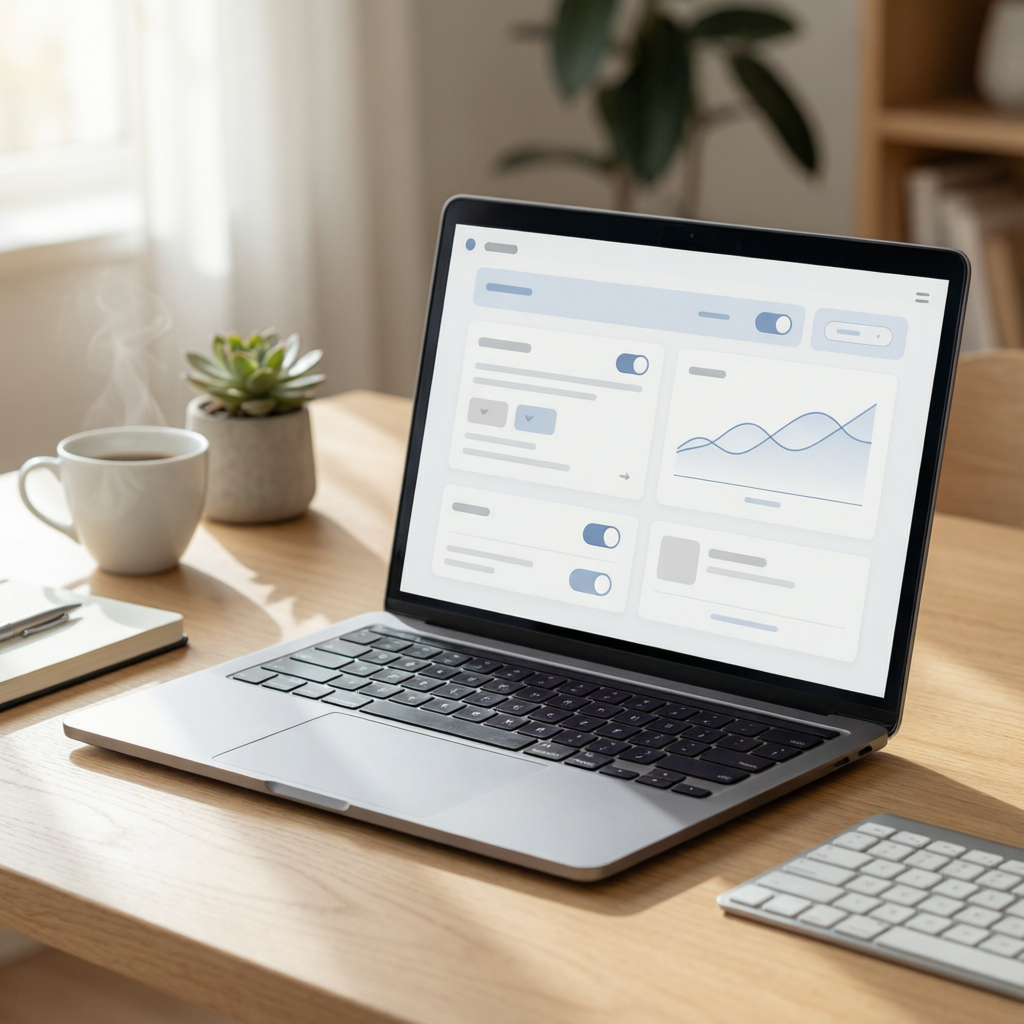
Once you have a dashboard, it's time to train an AI worker. This is where the free 30-day AI crawl token from Free Builder comes in handy. Your AI worker can learn to pull data from your sources and update the dashboard. You give it the step-by-step process you've documented, and it follows those steps. Test it with real customer data to ensure it works reliably. It may take a few iterations, but soon the AI worker will handle the task without your involvement.
Now, it's time to launch. Offer this dashboard to other potential customers as a subscription. The easiest way to find them is to look for businesses that need the same information you're already providing. You can runs competitor keyword research reports to understand what topics to post about for your brand and to find businesses looking for solutions. This also helps you find your brand's target audience. The same skill set you've used for one customer applies to many.
Finally, decide on pricing. Don't charge by the hour; charge a flat monthly fee. $29/month is a low risk for customers to say yes. If your dashboard saves them time or helps them make better decisions, it's a no-brainer. Start with a few beta users to get feedback, then refine and scale. Remember, you're not just selling a dashboard, you're selling the outcome that the dashboard provides.

The weekend setup is doable. It's a matter of focusing on the core value and using the right tools. You don't need to create / set up / work inside (context-dependent) a complex system; you need to productize your expertise. And once it's running, you have a subscription product that grows on its own.